 A VETERAN OWNED SMALL BUSINESS | Call or text now for a FREE consultation: +1 (770) 765-3692 |
3 Safety Measures For Manufacturing Facilities
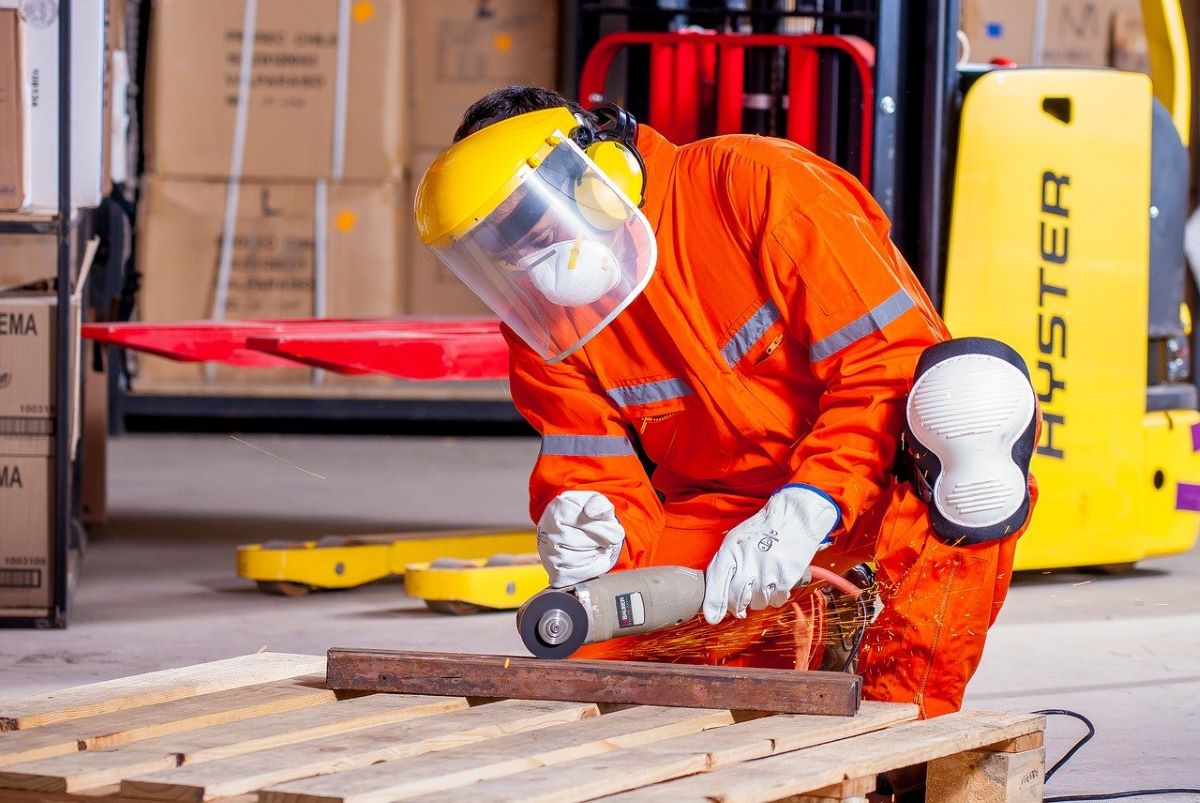 Feeling safe is an important aspect of life. Being safe at home, on the road or in a job, are factors that everyone desires to have. Since being safe and feeling safe are both highly sought after, society has developed procedures for almost everything that we do. Included in this is workplace safety.
Workplace safety is important. It ensures that all employees know how to work safely, avoid any accidents, and reduce the risk of coming into contact with any harm. Understandably, there are certain industries in which the workplace is more dangerous. They will also have a higher risk rate than others. In these environments, such as a manufacturing facility, the term “safety first” is more than just a well-used phrase.
These are a few safety measures to implement in a manufacturing facility that can help to protect the safety of all those involved.
Conducting Risk Assessments
To protect yourself and your employees, you need to be constantly aware of all the things that could potentially go wrong. You will also need to know what you can do, as an employer, to prevent a dangerous situation from occurring. For instance, avoid taking unnecessary risks and remain calm should you find yourself in a dangerous situation.
Every company should conduct a risk assessment as a way of identifying and preventing work hazards. Some companies go a step further and have a safety officer. The role of the safety officer is to recognize and analyze hazards within the workplace. Having a thorough investigation means that both you and your employees are aware of the risks and know how to avoid them.
Ensuring Electrical Safety
Handling electrics, whether it be circuit switches, reactors, breakers, or transformers, can be risky if not performed properly. If an issue were to occur, your workers need to perform maintenance safely. One of the best ways to do this is through a group operated disconnect switch.
With a group operated disconnect switch, it allows workers to confirm where there is an open-air gap exists within their electrical sources. Using a group operated disconnect switch, they can safely perform emergency maintenance or routine check-ups as and when needed.
Knowing How To Operate Heavy Machinery
Within a manufacturing facility, employees will more than likely be in contact with heavy machinery. Each piece of machinery should be in working condition. It should also have all of the manufacturer’s safety guards correctly installed. Whenever a defect or malfunction is detected, immediately contact the maintenance department, and review the instruction manual.
Despite being a common risk, hazardous manual handling remains an underrated risk in too many industries. A general rule is, if you have not undergone proper training in the technical aspects of operating a piece of machinery, do not use it.
Putting Safety First
Every company, regardless of the industry that they operate within, should ensure that their employees are well aware of the safety procedures in place. They should also ensure that the work environment is safe.
All employees should feel safe when entering work at a manufacturing facility. They should not need to worry about working in an unsafe environment. Ultimately, with factory work, the consequences have the potential to be severe.
 Many businesses have struggled since March 2020 and are only just returning to their pre-pandemic operations. During the coronavirus crisis, it was common practice for companies to furlough their staff, but this is now coming to an end as restrictions ease. However, this has left many organisations scrambling to cut costs and potentially scale down their operations.
 It’s a hectic time to be managing a business. The


 StrategyDriven Enterprises, LLC
 Business Programs