 A VETERAN OWNED SMALL BUSINESS |
Why Grab-and-Go Food Is Reshaping the Food Industry
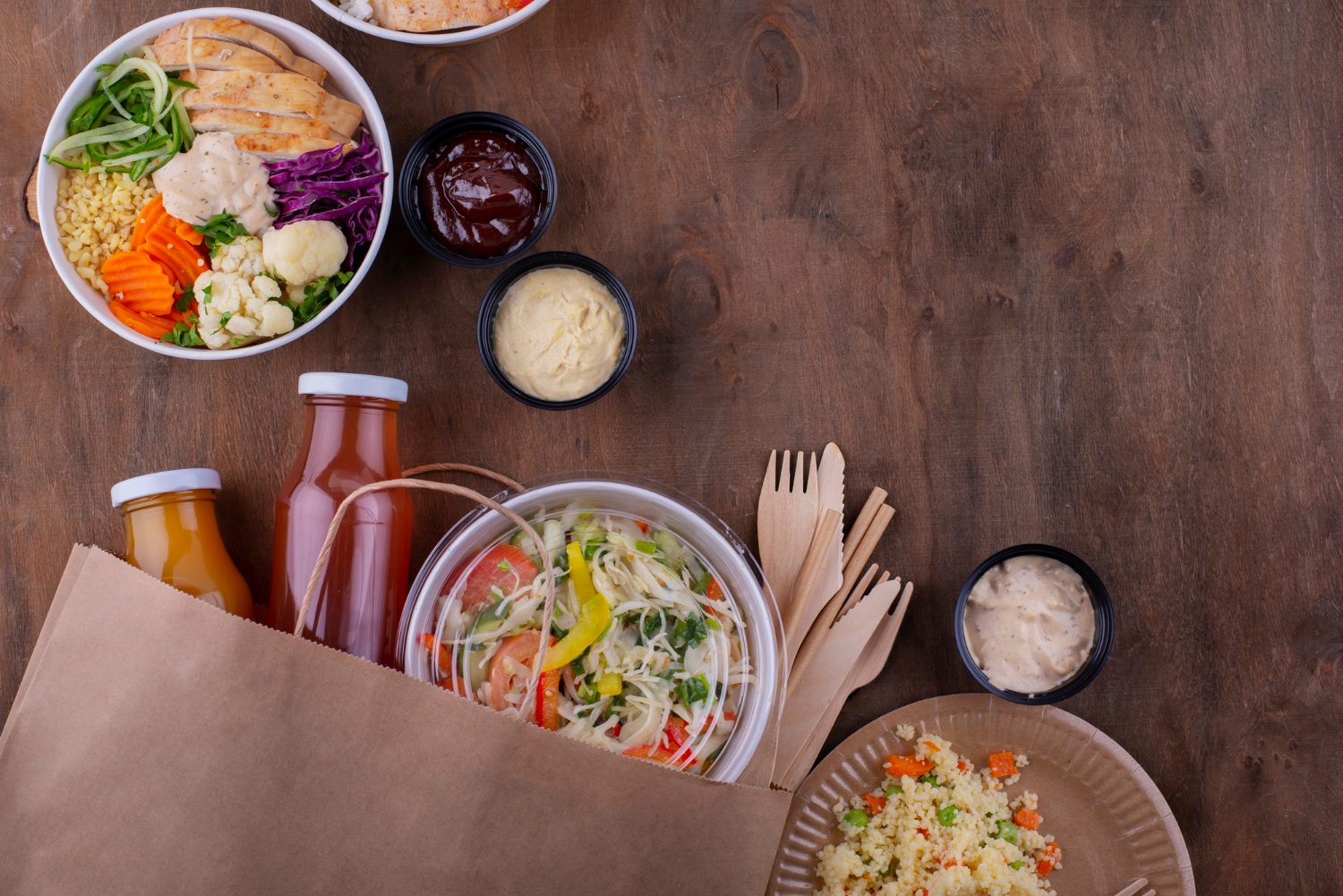
The way people access and consume food has changed significantly in recent years. As daily schedules become more demanding, consumers are placing greater value on convenience without wanting to sacrifice quality. This shift has contributed to the rapid growth of grab-and-go food, a category that continues to reshape the broader food industry. From convenience stores and grocery retailers to workplaces and hospitality environments, ready-to-eat meals are becoming a central part of how food is offered and experienced.
At its core, grab-and-go food meets a simple but important need. Consumers want quick, accessible meal options that fit into busy routines. Traditional dining models, which often require more time and planning, do not always align with modern lifestyles. Grab-and-go solutions allow customers to purchase fresh meals quickly and continue with their day, whether they are commuting, working, or traveling.
One of the key drivers behind this shift is changing consumer expectations. Today’s customers are more informed and selective about what they eat. Convenience alone is no longer enough. People are looking for meals that are fresh, well-prepared, and made with quality ingredients. This has pushed food providers to rethink their offerings and elevate the standard of ready-to-eat products. As a result, grab-and-go food has evolved from simple packaged snacks to a wide range of meals, including sandwiches, salads, protein bowls, and more.
Retailers and food service operators are responding by expanding their fresh food programs. Convenience stores, in particular, are transforming their identities by offering more than traditional packaged goods. Many are investing in refrigerated displays, improved merchandising, and partnerships with food providers to deliver high-quality grab-and-go options. This shift not only meets consumer demand but also creates new revenue opportunities.
Speed and efficiency are also important factors in the growth of grab-and-go food. Customers expect a seamless experience, from selecting a product to completing their purchase. Self-service options, clear packaging, and well-organized displays all contribute to a faster transaction. In high-traffic environments such as airports, office buildings, and urban retail locations, this efficiency is especially valuable.
The rise of grab-and-go food is also influencing how food is produced and distributed. Centralized kitchens and large-scale production facilities are enabling consistent quality across multiple locations. These operations are designed to prepare meals efficiently while maintaining food safety standards. By streamlining production, providers can deliver fresh products at scale without compromising quality.
Another important aspect of this trend is flexibility. Grab-and-go food can be adapted to fit a variety of environments and customer needs. In corporate settings, it supports workplace dining programs by offering employees convenient meal options throughout the day. In hospitality settings, it provides guests with accessible food choices outside of traditional dining hours. This adaptability makes grab-and-go solutions a valuable addition across different industries.
Packaging and presentation also play a role in shaping consumer perception. Clear, well-designed packaging allows customers to see the product while ensuring freshness and safety. Labels that highlight ingredients, nutritional information, and sourcing can help build trust and influence purchasing decisions. As sustainability becomes a greater priority, many providers are also exploring more environmentally conscious packaging options.
The impact of grab-and-go food extends beyond convenience. It is changing how businesses think about food service, customer experience, and operational efficiency. By offering high-quality meals in a format that aligns with modern lifestyles, companies can better meet the needs of their customers while staying competitive in a rapidly evolving market.
As the food industry continues to adapt, grab-and-go options are likely to remain a key area of growth. Consumers are showing a clear preference for solutions that combine convenience, quality, and accessibility. Businesses that recognize and respond to these expectations will be better positioned to succeed.
In a landscape where time is increasingly limited, grab-and-go food offers a practical solution that aligns with how people live and work today. Its continued growth reflects a broader shift in the industry, one that prioritizes efficiency without losing sight of quality and experience.









 Business Programs
Leave a Reply
Want to join the discussion?Feel free to contribute!