 A VETERAN OWNED SMALL BUSINESS |
Why Brand Experience Is a Boardroom-Level Concern
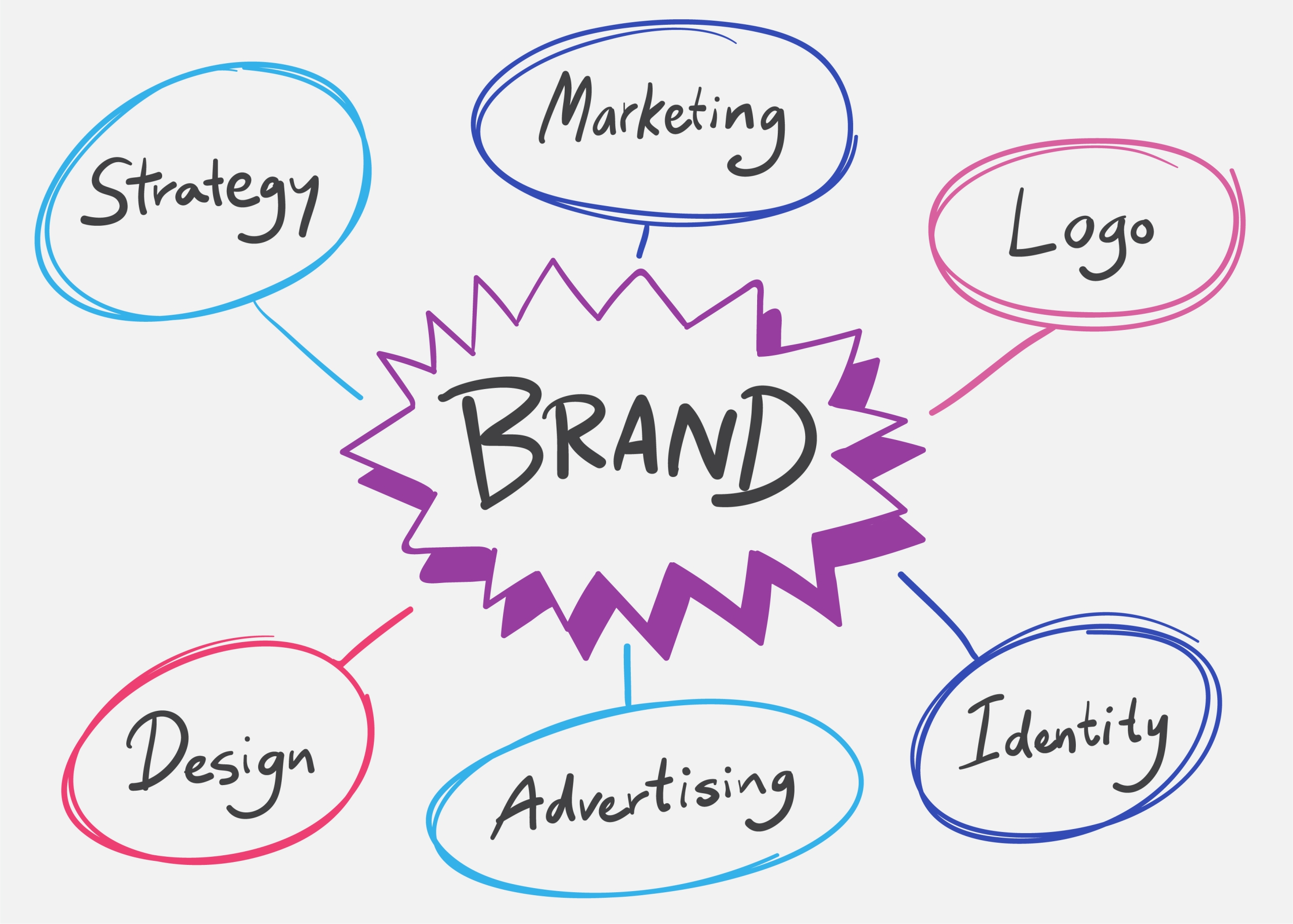
Brand experience used to live in the marketing wing.
Today, it shows up in earnings calls.
Executives can see it in churn rates, pricing power, regulatory scrutiny, and market capitalization. Boards feel it when customer trust slips, when activists question purpose, or when a single service failure triggers reputational fallout. Brand experience is no longer a supporting function. It’s a leadership mandate with financial consequences.
This shift didn’t happen overnight. It emerged as customer expectations rose, information friction collapsed, and trust became fragile. In that environment, how people experience a brand—across products, service, policies, and behavior—directly shapes revenue, valuation, and risk.
That’s why brand experience now belongs in the boardroom.
Brand Experience Has Become a Financial Variable
For years, brand discussions were framed as soft or subjective. Awareness. Sentiment. Preference. Useful, but distant from the balance sheet.
That separation no longer holds.
According to the Forrester 2024 US Customer Experience Index, only 3% of companies qualify as customer-obsessed. That small group outperforms the rest by wide margins—posting 41% faster revenue growth, 49% faster profit growth, and 51% stronger customer retention.
Those aren’t marketing metrics. They’re board-level outcomes.
Forrester’s industry modeling makes the link even clearer. Improving customer experience by just one point can generate more than $1 billion in additional revenue for large auto manufacturers. For auto and home insurers, the same one-point lift can drive roughly $370 million in added revenue, as outlined in Forrester’s analysis of how CX drives growth.
When marginal improvements create nine-figure upside, brand experience stops being discretionary. It becomes a lever.
Revenue Growth Follows Trust, Not Campaigns
Revenue growth doesn’t start with messaging. It starts with belief.
Customers decide whether to stay, buy more, recommend, or forgive based on how a brand behaves when it matters. Returns policies. Service recovery. Transparency. Follow-through.
Research consistently shows that operational choices shape perception. One recent consumer study highlights how strongly returns influence customer trust. Customers don’t view returns as logistics. They view them as a signal of fairness and respect.
That insight matters at the executive level because trust compounds. Trusted brands:
- Command price premiums
- Recover faster from mistakes
- Face lower customer acquisition costs
- Retain customers longer
Each of those outcomes feeds revenue durability. Boards care about durability.
Brand Experience Drives Enterprise Value
If revenue impact isn’t persuasive enough, valuation usually is.
Brand equity now represents a substantial share of enterprise value, particularly in public markets. The Kantar BrandZ Most Valuable Global Brands 2024 report shows that the total value of the top 100 brands rose 20% in a single year. Apple crossed the $1 trillion brand value mark for the first time, based on consumer perception data drawn from more than 4.3 million interviews across 21,000 brands.
That valuation isn’t built on logos. It’s built on experience.
In 2025, BrandZ reported that the Top 100 brands reached a combined value of $10.7 trillion, with U.S. brands accounting for 82% of that total (Kantar BrandZ Global 2025). The leaders—Apple, Google, Microsoft, Amazon, NVIDIA—share a common trait: disciplined control over how customers experience their ecosystems.
For boards, this reframes brand from reputation management to asset stewardship.
Stakeholder Capitalism Raised the Stakes
Shareholders still matter. They’re no longer the only audience.
Employees, regulators, partners, and communities now shape brand outcomes. Their experiences influence hiring costs, regulatory exposure, supply resilience, and public credibility.
This broader accountability is often described as stakeholder capitalism, but the implication is simple: behavior scales. When a company treats one group poorly, others notice.
Brand experience acts as connective tissue across stakeholders. Inconsistent treatment creates friction. Consistent treatment builds confidence.
That confidence reduces risk.
Risk Exposure Lives in the Gaps
Boards are paid to worry about risk. Brand experience has become one of the clearest early-warning systems available.
Many high-profile brand failures don’t stem from product defects. They come from experience breakdowns:
- Confusing policies
- Tone-deaf responses
- Delayed accountability
- Frontline teams set up to fail
These gaps expose organizations to legal action, regulatory scrutiny, and reputational damage. The financial impact often arrives quickly and lingers.
Academic research supports this connection. A peer-reviewed study on human–brand interactions outlines how experiential dimensions—such as emotional response, service quality, and perceived fairness—directly influence customer behavior and long-term outcomes (Understanding the Customer Experience in Human-Brand Interactions).
In other words, experience failures aren’t abstract. They’re predictive.
Brand Experience Isn’t Owned by Marketing
One of the biggest obstacles to progress is organizational design.
Brand experience crosses silos. Marketing sets expectations. Operations deliver. Finance sets constraints. HR shapes culture. Legal defines boundaries.
When ownership sits too low, tradeoffs happen without context. Short-term savings undermine long-term value. Teams optimize locally while the brand absorbs the cost.
Boards can’t delegate brand experience oversight without clarity. Someone has to own the whole.
What Board-Level Oversight Looks Like
Treating brand experience as a board concern doesn’t mean reviewing ad campaigns. It means governing the system that produces experience outcomes.
Effective boards tend to focus on three areas.
Clear Accountability
There should be a named executive with end-to-end responsibility for brand experience outcomes. Not just messaging. Not just service. The full arc.
That role varies by organization—chief customer officer, chief brand officer, or a hybrid mandate—but ambiguity is expensive.
Shared Metrics
Boards need visibility into experience indicators that connect to financial results. That might include:
- Retention by segment
- Complaint resolution speed
- Trust or advocacy measures tied to revenue
- Experience-related risk events
The point isn’t volume. It’s relevance.
Governance Cadence
Brand experience deserves structured review, not reactive discussion after a crisis. Regular updates help boards spot trends, challenge assumptions, and support investment decisions before problems compound.
Experience Shows Up in Unexpected Places
Brand experience isn’t confined to digital touchpoints or service calls. It shows up everywhere the brand is encountered.
Physical presence matters. Community visibility matters. Even simple tools—like yard signs used during local initiatives or corporate events—signal commitment, clarity, and pride. When those signals align with behavior, trust grows. When they don’t, skepticism follows.
Consistency beats cleverness.
Why This Matters Now
Three forces are converging.
First, customers have more choice and less patience. Switching costs are low. Memory is long.
Second, information travels instantly. Experience failures rarely stay isolated.
Third, capital markets reward confidence. Predictable revenue, loyal customers, and credible leadership all trace back to how a brand behaves over time.
Brand experience sits at the center of all three.
The Executive Imperative
Senior leaders set tone, priorities, and tradeoffs. When brand experience is treated as peripheral, it shows. When it’s treated as strategic, organizations align.
This isn’t about perfection. It’s about intent and follow-through.
Executives who elevate brand experience ask different questions:
- What promises are we making implicitly?
- Where are customers absorbing friction we’ve normalized?
- Which experience decisions carry financial risk?
Those questions belong at the top.
Conclusion: Brand Experience Is a Leadership Test
Brand experience now shapes revenue trajectories, enterprise value, and risk exposure. The data supports it. The markets reflect it. Customers feel it.
Boards that continue to view brand experience as a marketing concern will miss both upside and warning signs. Those that treat it as an enterprise system—governed, measured, and led—position their organizations for sustained performance.
This is a leadership test.
And the results show up on the balance sheet.






 Business Programs

Leave a Reply
Want to join the discussion?Feel free to contribute!