 A VETERAN OWNED SMALL BUSINESS |
Common Planning Mistakes to Avoid When Buying Metal Buildings
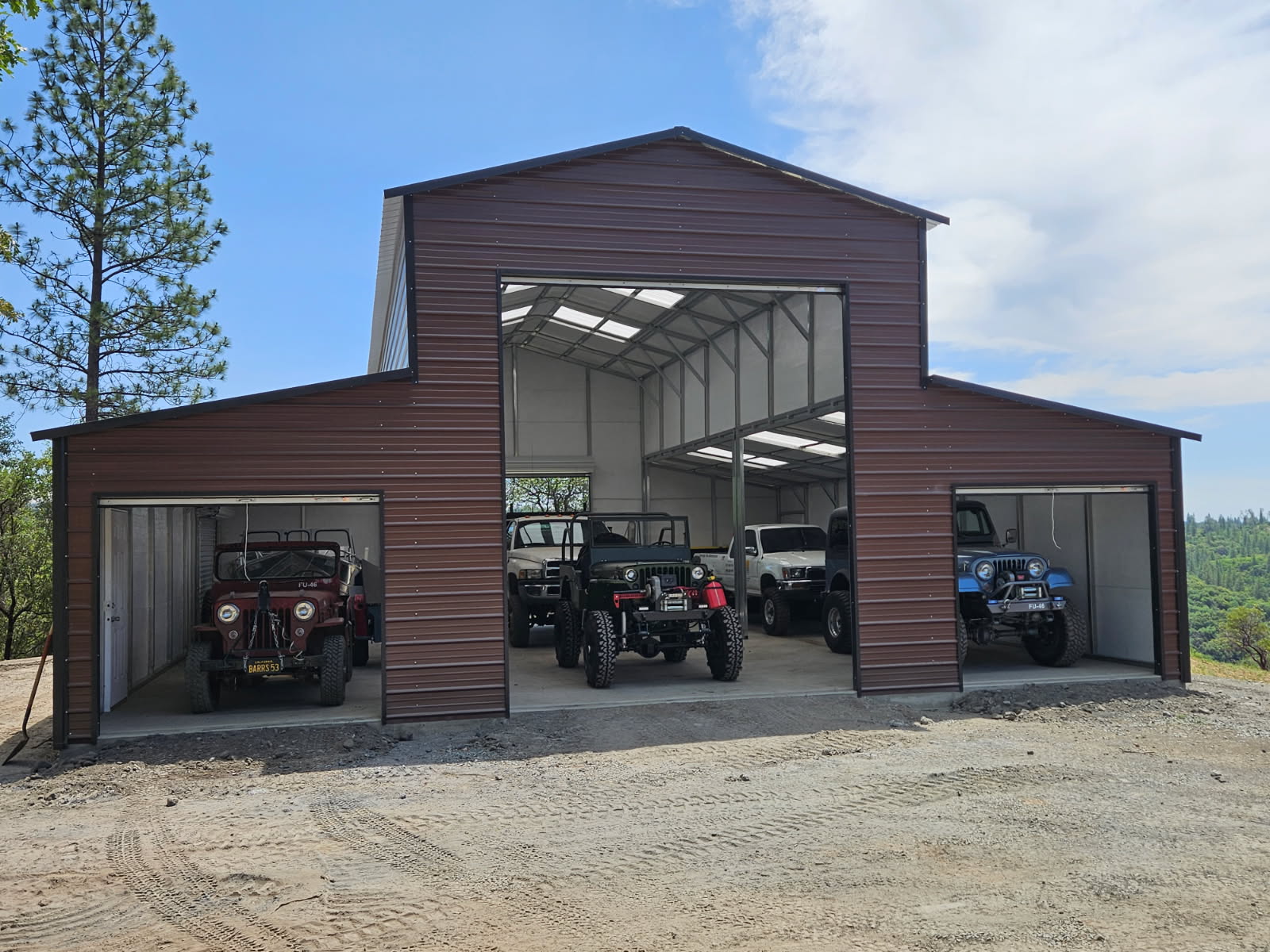
Buying a new building is an exciting project, but it is also one that requires careful planning. Many property owners focus heavily on size and price while overlooking other factors that can affect long-term satisfaction. A little preparation before construction begins can help avoid costly changes later.
One of the most common mistakes people make when purchasing metal buildings is underestimating their future space requirements. It is natural to focus on current needs, but buildings often remain in use for decades. Equipment collections grow, storage needs increase, and businesses expand. Choosing a slightly larger building during the planning stage is often more cost effective than trying to add space later.
Access is another area that deserves attention. A building may have plenty of interior room, but narrow doors or limited access points can create daily frustration. Owners should consider how vehicles, trailers, equipment, and materials will move in and out of the structure. Planning for future equipment purchases can also help prevent access limitations.
Location on the property matters more than many people realize. Buildings should be positioned with drainage, traffic flow, and future development in mind. A structure placed in a low area may experience water issues during heavy rain. Limited access routes can also reduce convenience and efficiency.
Drainage problems can become expensive over time. Water that collects around a foundation may contribute to erosion, moisture problems, and unnecessary maintenance. Proper grading helps direct runoff away from the structure and supports long-term performance.
Foundation selection is equally important. Every project has different requirements depending on building size, intended use, and site conditions. A workshop that will support vehicles and equipment may require a different foundation approach than a simple storage building. Investing in the proper foundation helps ensure stability and durability.
Ventilation is another factor that is often overlooked during planning. Many buyers focus on protecting equipment from weather exposure but forget about moisture and heat buildup inside the building. Proper airflow helps improve comfort, reduce condensation, and protect stored items. Ventilation systems should be considered early in the design process rather than added as an afterthought.
Insulation deserves similar attention. Some property owners skip insulation initially to reduce upfront costs. Later, they discover the building becomes uncomfortable during temperature extremes. Insulation can improve usability, reduce energy costs, and help regulate interior conditions throughout the year.
Another mistake involves focusing solely on the purchase price. While budget is important, the lowest-cost option is not always the best value. Durability, maintenance requirements, insulation options, and future adaptability all contribute to the overall ownership experience. Evaluating the complete picture often leads to better decisions.
Permits and local regulations should never be ignored. Building requirements vary by location, and failing to address permit requirements early can create delays and additional expenses. Property owners should understand local regulations before finalizing plans.
Future electrical and plumbing needs are also worth considering. Even if these systems are not installed immediately, planning for them during construction can simplify future upgrades. Conduit pathways, utility access points, and layout considerations can save significant time and money later.
Aesthetic considerations are sometimes overlooked as well. While functionality should remain the priority, the building should complement the property and maintain a professional appearance. Modern design options provide flexibility while preserving practicality.
Many successful projects begin with a clear understanding of how the building will be used today and how that use may evolve over time. Asking the right questions early often prevents expensive modifications later.
Metal buildings in Elk Grove continue to be a popular choice because they provide durability, versatility, and long-term value. With thoughtful planning, property owners can avoid common mistakes and create a structure that serves their needs for many years. The time spent evaluating site conditions, future requirements, and design options often pays dividends long after construction is complete.
Related content from StrategyDriven




 Business Programs

Leave a Reply
Want to join the discussion?Feel free to contribute!