How Strong Leadership Capabilities Drive Better Business Outcomes

How Strong Leadership Capabilities Drive Better Business Outcomes | StrategyDriven Management and Leadership Article

Strong leadership capabilities sit at the center of business performance because teams look for direction, stability, and purpose. Leaders who communicate clearly and understand how to shape priorities tend to guide their organizations toward better outcomes. Growth follows when people feel supported, decisions make sense, and goals seem achievable.

A capable leader influences culture, morale, and the pace at which progress happens. Teams respond with stronger engagement, and collaboration becomes easier because expectations feel consistent. These qualities help organizations navigate day-to-day responsibilities while preparing for long-term challenges. Effective leadership strengthens innovation and encourages thoughtful problem-solving, which leads to healthier results across functions.

Clarifying Strategic Priorities

Teams rely on leaders to set direction that feels grounded and realistic. Strategic priorities shape how employees approach work, use resources, and measure progress. Strong leaders take complex objectives and convert them into meaningful steps that teams can understand. Clear guidance reduces confusion and lowers the chance of misaligned efforts.

People feel more confident when they know which goals matter most. Leaders who commit to clarity help teams maintain momentum because each action fits into a larger picture. This steady, focused approach prevents distractions from pulling the organization away from its targets.

Advancing Skills Through Targeted Development

Leadership capabilities grow through deliberate learning. Professionals who invest in advanced training broaden their perspective and gain tools that help them guide teams more effectively. Structured development introduces stronger communication habits, sharper analytical thinking, and a deeper understanding of organizational behavior. As leaders seek flexible, accessible pathways to deepen their expertise while balancing professional responsibilities, new educational options have become increasingly relevant.

Aspiring leaders explore online organizational leadership degrees to advance their careers while balancing professional and personal commitments. This flexible approach enables aspiring leaders to strengthen essential leadership skills while remaining effective in both their professional and personal roles.

Strengthening Decision Quality

Business environments often produce pressure, uncertainty, and competing priorities. Leaders face these conditions on a regular basis, so decision quality becomes a defining capability. Strong leadership encourages thoughtful evaluation that considers both opportunities and risks. Teams perform better when decisions feel measured and transparent. People understand why certain paths were chosen and feel more comfortable supporting them.

Reliable decision habits also reduce unnecessary delays because leaders learn how to weigh information without losing momentum. Organizations benefit when decisions reflect clarity rather than reaction. This steadiness helps teams stay focused even when challenges appear unexpectedly.

Elevating Employee Performance

Employee performance rises when leaders understand how to coach and support their teams. People respond well to leaders who listen carefully, offer constructive feedback, and recognize practical steps that improve output. Supportive leadership helps individuals feel valued, which increases their willingness to contribute at a higher level.

Teams also grow stronger when leaders encourage healthy communication and reinforce expectations that feel achievable. Performance gains often emerge from small, consistent actions such as guidance, acknowledgment, and patience. These habits foster a culture where employees feel confident taking initiative and offering new ideas. Organizations thrive when leaders help individuals reach their potential.

Encouraging Adaptability During Change

Change enters every business at some point, whether through market shifts, new technology, or adjustments to internal structure. Leadership determines how smoothly teams handle these moments. Capable leaders help people stay focused by explaining the purpose behind the shift and outlining what the transition involves.

Employees feel more secure when they understand how change affects their work. Adaptable leaders encourage steady progress rather than rushed reactions, which builds trust during uncertain periods. Teams that learn to manage change with confidence become more resilient overall. This resilience supports future growth because employees feel ready for new challenges instead of overwhelmed by them.

Advancing Innovation Across the Organization

Innovation grows when leaders encourage curiosity, steady exploration, and space for constructive experimentation. Teams often feel hesitant to share ideas when they fear criticism or uncertainty, so capable leaders create environments where suggestions feel welcome. People contribute more freely when they sense that their input matters.

Innovation takes shape through small insights that gradually influence larger initiatives, and leaders play a central role in bringing these moments forward. Clear communication helps teams understand why new approaches matter and how they can strengthen long-term results. Leaders who remain open to fresh thinking often inspire others to look beyond familiar routines.

Strengthening Customer and Stakeholder Value

Leadership influences the experience customers and stakeholders receive because teams take cues from the standards set at the top. Clear expectations around service quality, responsiveness, and professionalism help employees understand how to represent the organization. Leaders who prioritize strong relationships encourage teams to anticipate needs and respond with care.

Customers appreciate when interactions feel consistent, and stakeholders rely on reliable communication that reflects thoughtful planning. Strong leadership also promotes accountability, which supports faster resolution of challenges that affect clients or partners. Teams learn to approach concerns with patience and clarity, which builds trust and loyalty over time.

Supporting Sustainable Growth

Sustainable growth requires leaders who understand how to balance ambition with stability. Organizations move forward when leaders maintain a steady rhythm that supports performance without creating unnecessary strain. Strong leadership nurtures resilience by reinforcing habits that keep teams focused and productive.

Clear processes, dependable communication, and practical planning help organizations avoid disruptions that slow long-term progress. Leaders who emphasize disciplined execution allow teams to pursue growth without losing sight of realistic expectations. This foundation makes it easier to adjust when the business encounters new demands or shifting priorities. Growth feels more manageable because the organization builds confidence through consistent routines.

Strong leadership capabilities influence nearly every aspect of business health, from the way teams communicate to the way organizations navigate challenges. Leaders shape strategic direction, guide professional development, strengthen decisions, support performance, and help teams remain flexible during moments of change. These qualities set the stage for innovation, customer satisfaction, and sustainable growth.

Organizations progress when leaders demonstrate clarity, patience, and thoughtful judgment. Each capability contributes to a workplace that values accountability, trust, and open communication. Leadership becomes more than a role; it becomes a source of stability that teams rely on while working toward shared goals. Businesses that continue investing in leadership development often experience steady improvement because the entire organization benefits from stronger guidance. Lasting success grows from capable leadership that encourages people to work with confidence, curiosity, and commitment.

The Growing Demand for General Management Roles Across Industries in Recent Years

The Growing Demand for General Management Roles Across Industries in Recent Years | StrategyDriven Management and Leadership Article

Introduction

Today, in different industries, there has been a significant change in how companies articulate their definition of leadership and accountability. Today, companies hire professionals based on their expertise in just one aspect, but this trend is slowly ending as companies require more general management professionals in their companies. This trend in the market has led to the increased requirement for general management professionals in the last few years.

Be it a technology firm, manufacturing company, health organization, or service-based enterprise, the requirement for leaders with a broad management perspective is fast becoming essential. Many professionals are responding to this trend through enrolling in a General Management program so they can build cross-functional knowledge and leadership skills. An IIM General Management program, in particular, is often seen as a strong pathway for such a move.

Why General Management Roles Are Gaining Importance

Businesses in contemporary times find themselves in a situation where there are complex and fluctuating conditions. In this way, the move made in one area can easily influence others. Therefore, businesses appreciate individuals who can adequately read the bigger picture.

General management jobs are on the rise because they benefit organizations by ensuring effective management of change within

  •  Align team efforts to meet a common objective
  • Be nimble in the face of change without losing focus
  •  Where possible, balance the needs for day-to-day operations, long-term

For instance, a professional running a business unit is required to think about customers, team members, costs, and expansion simultaneously. This skill to consider more than one factor is itself the essence of general management.

Industry Wide Demand for Versatile Leaders

The demand for general management roles is not limited to one sector. It spans across industries that are experiencing transformation and growth.

In Technology Driven Organizations

  • Leaders are expected to bridge the gap between technical teams and business stakeholders
  • General managers help translate innovation into market ready solutions

In Manufacturing and Operations

  • Professionals with a broad management view coordinate supply chains, production, and people management
  • Decision making requires understanding both efficiency and workforce dynamics

In Healthcare and Services

  • Leaders balance service quality, operational effectiveness, and ethical responsibility
  • General management skills support collaboration among diverse professional groups

Across these industries, companies look for individuals who can manage complexity with clarity and confidence.

The Shift From Specialist to Business Leader

Many professionals start out in careers that involve specialization. This could be in finances, marketing, engineering, or operations. However, sometimes, with experience, there is a need to transition into an area that is more general.

It is this shift that has led to a growing interest in a General management course. These courses enable professionals to break away from their functional know-how and adopt a more holistic approach towards business.

Through structured learning, professionals gain

  • An understanding of how different business functions interact
  • The ability to contribute to strategic discussions
  • Confidence to take on leadership roles that extend beyond their original domain

An IIM general management program often combines academic depth with practical relevance, making it easier for working professionals to apply learning directly to their roles.

Real Life Situations Driving This Demand

Take, for instance, a situation where a highly effective team leader is promoted to oversee a larger department. Success will no longer be just about having the right skills and knowledge but will also involve other matters, such as the handling of people, finances, and strategic plans.

In another example, in the case of an expanding business, the leaders may be required to establish new teams, co-ordinate functions, as well as act as the representative of the business in external environments. In the above duties, general managers will be better suited than specialists.

These real-life work situations bring out the importance of organizations wanting professionals with general management skills.

How General Management Roles Support Organizational Growth

General managers are important influencers in achieving sustainable growth. They are able to make connections at both a strategic and an execution level because of their experience in various functions.

  •  Their efforts have included
  •  Putting Vision for Leadership into Action
  •  Alignment between teams and departmentsWIth regards to the above point
  •  Early Point: Identifying Risks and Opportunities
  •  Fostering a Collaborative and Accountable Culture

 Due to the massive impact, the companies are investing in the development of the professional staff, which will perform all the above roles.

Career Stability and Flexibility for Professionals

From a career perspective, general management roles offer stability and flexibility. Professionals with a broad skill set are less vulnerable to changes in specific functions or technologies.

With general management expertise, professionals can

  • Move across industries with greater ease
  • Take on diverse leadership roles within the same organization
  • Adapt to evolving business models and work structures

This adaptability is one of the main reasons many professionals choose a General management program as part of their career development journey.

Learning That Prepares Professionals for Real Challenges

One of the strengths of any IIM general management program lies in its focus on real business challenges. It mostly uses learning based on case discussions, peer interactions, and practical examples drawn from industry.

  •  Value accrues to participants when
  •  Exposure to various diverse views from a range of sectors.
  •  Opportunities to reflect on their own leadership style
  •  Insights that help them manage ambiguity and complexity

 This is the type of learning that equips professionals to confidently assume positions in general management.

Conclusion

The increasing requirement for general managers in a variety of sectors indicates a paradigm shift in how organizations function. Organizations are looking for people who can think in a macro manner, handle human as well as process aspects, and provide direction to key organizational decisions.

With the advancement of industries in coming times, the importance of general management leadership is only expected to enhance. Pursuing a General management course, particularly a general management course offered by a reputable IIM, can be beneficial for professionals in terms of gearing up for better leadership positions in the globally integrated business environment.

Why Brand Experience Is a Boardroom-Level Concern

Why Brand Experience Is a Boardroom-Level Concern | StrategyDriven Management and Leadership Article

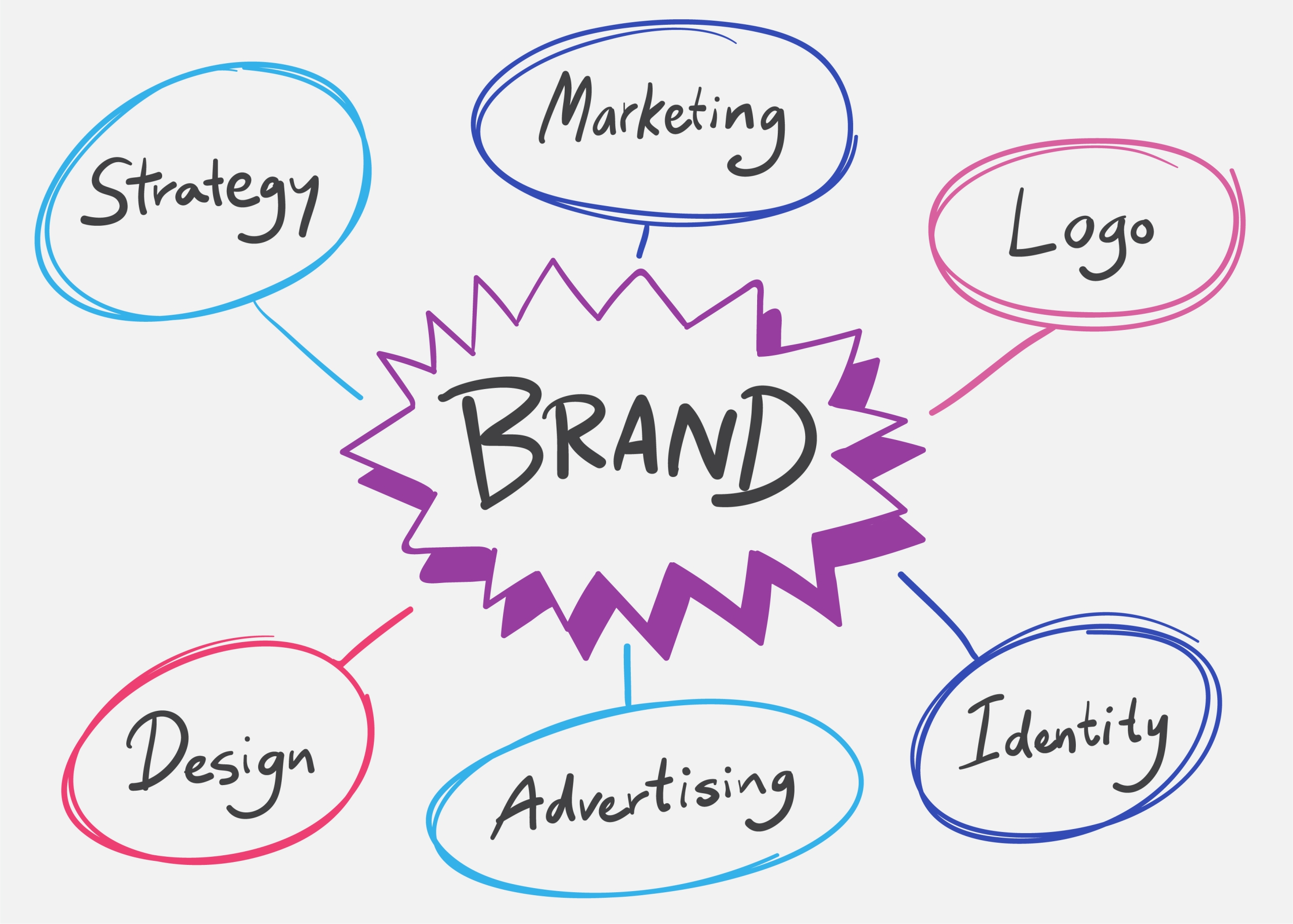
Brand experience used to live in the marketing wing.

Today, it shows up in earnings calls.

Executives can see it in churn rates, pricing power, regulatory scrutiny, and market capitalization. Boards feel it when customer trust slips, when activists question purpose, or when a single service failure triggers reputational fallout. Brand experience is no longer a supporting function. It’s a leadership mandate with financial consequences.

This shift didn’t happen overnight. It emerged as customer expectations rose, information friction collapsed, and trust became fragile. In that environment, how people experience a brand—across products, service, policies, and behavior—directly shapes revenue, valuation, and risk.

That’s why brand experience now belongs in the boardroom.

Brand Experience Has Become a Financial Variable

For years, brand discussions were framed as soft or subjective. Awareness. Sentiment. Preference. Useful, but distant from the balance sheet.

That separation no longer holds.

According to the Forrester 2024 US Customer Experience Index, only 3% of companies qualify as customer-obsessed. That small group outperforms the rest by wide margins—posting 41% faster revenue growth, 49% faster profit growth, and 51% stronger customer retention.

Those aren’t marketing metrics. They’re board-level outcomes.

Forrester’s industry modeling makes the link even clearer. Improving customer experience by just one point can generate more than $1 billion in additional revenue for large auto manufacturers. For auto and home insurers, the same one-point lift can drive roughly $370 million in added revenue, as outlined in Forrester’s analysis of how CX drives growth.

When marginal improvements create nine-figure upside, brand experience stops being discretionary. It becomes a lever.

Revenue Growth Follows Trust, Not Campaigns

Revenue growth doesn’t start with messaging. It starts with belief.

Customers decide whether to stay, buy more, recommend, or forgive based on how a brand behaves when it matters. Returns policies. Service recovery. Transparency. Follow-through.

Research consistently shows that operational choices shape perception. One recent consumer study highlights how strongly returns influence customer trust. Customers don’t view returns as logistics. They view them as a signal of fairness and respect.

That insight matters at the executive level because trust compounds. Trusted brands:

  • Command price premiums
  • Recover faster from mistakes
  • Face lower customer acquisition costs
  • Retain customers longer

Each of those outcomes feeds revenue durability. Boards care about durability.

Brand Experience Drives Enterprise Value

If revenue impact isn’t persuasive enough, valuation usually is.

Brand equity now represents a substantial share of enterprise value, particularly in public markets. The Kantar BrandZ Most Valuable Global Brands 2024 report shows that the total value of the top 100 brands rose 20% in a single year. Apple crossed the $1 trillion brand value mark for the first time, based on consumer perception data drawn from more than 4.3 million interviews across 21,000 brands.

That valuation isn’t built on logos. It’s built on experience.

In 2025, BrandZ reported that the Top 100 brands reached a combined value of $10.7 trillion, with U.S. brands accounting for 82% of that total (Kantar BrandZ Global 2025). The leaders—Apple, Google, Microsoft, Amazon, NVIDIA—share a common trait: disciplined control over how customers experience their ecosystems.

For boards, this reframes brand from reputation management to asset stewardship.

Stakeholder Capitalism Raised the Stakes

Shareholders still matter. They’re no longer the only audience.

Employees, regulators, partners, and communities now shape brand outcomes. Their experiences influence hiring costs, regulatory exposure, supply resilience, and public credibility.

This broader accountability is often described as stakeholder capitalism, but the implication is simple: behavior scales. When a company treats one group poorly, others notice.

Brand experience acts as connective tissue across stakeholders. Inconsistent treatment creates friction. Consistent treatment builds confidence.

That confidence reduces risk.

Risk Exposure Lives in the Gaps

Boards are paid to worry about risk. Brand experience has become one of the clearest early-warning systems available.

Many high-profile brand failures don’t stem from product defects. They come from experience breakdowns:

  • Confusing policies
  • Tone-deaf responses
  • Delayed accountability
  • Frontline teams set up to fail

These gaps expose organizations to legal action, regulatory scrutiny, and reputational damage. The financial impact often arrives quickly and lingers.

Academic research supports this connection. A peer-reviewed study on human–brand interactions outlines how experiential dimensions—such as emotional response, service quality, and perceived fairness—directly influence customer behavior and long-term outcomes (Understanding the Customer Experience in Human-Brand Interactions).

In other words, experience failures aren’t abstract. They’re predictive.

Brand Experience Isn’t Owned by Marketing

One of the biggest obstacles to progress is organizational design.

Brand experience crosses silos. Marketing sets expectations. Operations deliver. Finance sets constraints. HR shapes culture. Legal defines boundaries.

When ownership sits too low, tradeoffs happen without context. Short-term savings undermine long-term value. Teams optimize locally while the brand absorbs the cost.

Boards can’t delegate brand experience oversight without clarity. Someone has to own the whole.

What Board-Level Oversight Looks Like

Treating brand experience as a board concern doesn’t mean reviewing ad campaigns. It means governing the system that produces experience outcomes.

Effective boards tend to focus on three areas.

Clear Accountability

There should be a named executive with end-to-end responsibility for brand experience outcomes. Not just messaging. Not just service. The full arc.

That role varies by organization—chief customer officer, chief brand officer, or a hybrid mandate—but ambiguity is expensive.

Shared Metrics

Boards need visibility into experience indicators that connect to financial results. That might include:

  • Retention by segment
  • Complaint resolution speed
  • Trust or advocacy measures tied to revenue
  • Experience-related risk events

The point isn’t volume. It’s relevance.

Governance Cadence

Brand experience deserves structured review, not reactive discussion after a crisis. Regular updates help boards spot trends, challenge assumptions, and support investment decisions before problems compound.

Experience Shows Up in Unexpected Places

Brand experience isn’t confined to digital touchpoints or service calls. It shows up everywhere the brand is encountered.

Physical presence matters. Community visibility matters. Even simple tools—like yard signs used during local initiatives or corporate events—signal commitment, clarity, and pride. When those signals align with behavior, trust grows. When they don’t, skepticism follows.

Consistency beats cleverness.

Why This Matters Now

Three forces are converging.

First, customers have more choice and less patience. Switching costs are low. Memory is long.

Second, information travels instantly. Experience failures rarely stay isolated.

Third, capital markets reward confidence. Predictable revenue, loyal customers, and credible leadership all trace back to how a brand behaves over time.

Brand experience sits at the center of all three.

The Executive Imperative

Senior leaders set tone, priorities, and tradeoffs. When brand experience is treated as peripheral, it shows. When it’s treated as strategic, organizations align.

This isn’t about perfection. It’s about intent and follow-through.

Executives who elevate brand experience ask different questions:

  • What promises are we making implicitly?
  • Where are customers absorbing friction we’ve normalized?
  • Which experience decisions carry financial risk?

Those questions belong at the top.

Conclusion: Brand Experience Is a Leadership Test

Brand experience now shapes revenue trajectories, enterprise value, and risk exposure. The data supports it. The markets reflect it. Customers feel it.

Boards that continue to view brand experience as a marketing concern will miss both upside and warning signs. Those that treat it as an enterprise system—governed, measured, and led—position their organizations for sustained performance.

This is a leadership test.

And the results show up on the balance sheet.

How AI Skills Are Becoming a Must-Have for Future Business Leaders

How AI Skills Are Becoming a Must-Have for Future Business Leaders | StrategyDriven Management and Leadership Article

Business leadership is entering a defining era. Artificial intelligence is no longer limited to IT departments or experimental projects; it now influences how organizations plan strategy, serve customers, manage risk, and compete globally. As AI systems increasingly shape decisions that once relied solely on human judgment, the role of managers and executives is evolving. This shift is driving growing demand for AI-focused business training, as leaders recognize that understanding AI is essential to making informed, strategic decisions. In this environment, future business leaders are not expected to become technical experts; rather, they must develop the knowledge to evaluate AI-driven insights, manage risk, and guide organizations with confidence.

AI’s Expanding Role in Modern Business Strategy

AI has moved from operational automation into the heart of strategic planning. Today’s organizations rely on AI-driven analytics to identify market opportunities, forecast demand, optimize pricing, and anticipate competitive threats. Executives who understand AI are better positioned to evaluate these insights and translate them into actionable strategies. Without this understanding, leaders risk misinterpreting AI outputs or relying unthinkingly on recommendations they do not fully grasp. As businesses become more data-intensive, strategic leadership increasingly depends on aligning AI capabilities with long-term organizational goals.

From Intuition-Based Leadership to Data-Informed Decision-Making

Traditional leadership often emphasized experience and instinct, and while these remain valuable, AI adds a powerful layer of evidence-based insight. AI systems can process massive volumes of data, uncover patterns, and simulate outcomes at a scale beyond what humans alone can achieve. Leaders who understand AI can integrate these insights into decision-making without surrendering control. Instead of replacing human leadership, AI enhances it by reducing uncertainty and improving foresight. Executives who embrace this shift are better prepared to respond quickly to market changes and make confident, forward-looking decisions.

Driving Organizational Change and Innovation Through AI

Successful AI adoption requires more than technology; it demands leadership that can guide cultural and organizational change. Executives play a crucial role in shaping how AI is perceived and used within the company. Leaders with AI skills can clearly communicate the value of AI initiatives, align teams around shared objectives, and encourage responsible experimentation. This leadership approach helps reduce resistance, builds trust, and ensures AI tools are integrated into workflows that support innovation rather than disruption. When leaders understand AI, they can create an environment where employees see it as an enabler rather than a threat.

Ethical Responsibility and Strategic Governance

As AI systems become more influential, ethical oversight becomes a core leadership responsibility. Issues such as data privacy, algorithmic bias, transparency, and accountability require informed judgment at the executive level. Leaders who understand AI are better equipped to establish governance frameworks that ensure responsible use while protecting the organization’s reputation. Ethical lapses related to AI can have serious legal and brand consequences, underscoring the importance of AI literacy for risk management and long-term sustainability. Strong leadership ensures that AI aligns with organizational values and business objectives.

The Future Belongs to AI-Fluent Leaders

The expectations placed on business leaders are changing. Organizations increasingly seek executives who can combine strategic vision with technological awareness. Business schools, executive training programs, and corporate leadership development initiatives are already adapting to this reality by embedding AI education into their curricula. Leaders who invest in AI skills today are positioning themselves to remain relevant, credible, and effective in an increasingly complex business environment.

Conclusion: AI as a Core Leadership Skill

Artificial intelligence is reshaping the foundations of modern leadership. As AI-driven insights increasingly guide strategic decisions, leaders must develop the understanding needed to use these tools responsibly and effectively. Those who invest in AI knowledge today will be better equipped to lead with clarity, adaptability, and confidence in an increasingly competitive and data-driven business environment.

How Strong Leadership Drives Success in the Automotive Industry

How Strong Leadership Drives Success in the Automotive Industry | StrategyDriven Management and Leadership Article

Strong leadership has always been a defining factor in the success of the automotive industry. As technology evolves, customer expectations shift, and global markets continue to change rapidly, the ability of leaders to guide teams with clarity, purpose, and resilience becomes more important than ever. Exceptional leadership not only shapes internal culture and performance but also influences how dealerships, manufacturers, and service providers deliver value to their customers.

Setting a Clear Vision for Growth

Every thriving automotive organization begins with a clear vision. Leaders who can articulate long-term goals while providing a roadmap for how to achieve them create stability during times of uncertainty. This vision is more than a statement; it’s the foundation that guides daily decisions, from product development to customer service strategies. When employees understand the bigger picture, they’re empowered to work with confidence, knowing how their contributions support the company’s future.

In an industry marked by rapid technological advancements such as electric vehicles, connected systems, and AI-driven tools, having forward-thinking leadership becomes even more essential. Those who anticipate trends and plan for innovation position their businesses to stay competitive and relevant for years to come.

Building Strong Teams Through Support and Communication

Leadership success isn’t only about strategy; it’s also about people. Automotive organizations rely on teams across sales, service, operations, logistics, and manufacturing. Strong leaders understand that their greatest resource is their workforce. By fostering open communication, encouraging collaboration, and providing consistent training, leaders create environments where employees feel valued and capable.

In dealerships, for example, team cohesion directly affects customer experience. A well-trained, confident staff can explain features clearly, resolve concerns quickly, and help customers feel supported through each stage of the purchasing process. Strong leadership nurtures this confidence by offering mentorship, celebrating achievements, and ensuring everyone has access to the tools they need to succeed.

Encouraging Innovation and Adaptability

The automotive sector thrives on innovation. Whether it’s the rise of electric vehicles, improvements in hybrid technology, or enhanced safety features, change happens fast. Leaders who embrace innovation, rather than resist it, help their organizations stay at the forefront of industry transformation.

Innovation isn’t limited to engineering; it includes sales processes, customer care, marketing strategies, and operations. A leader who encourages smart experimentation, listens to new ideas, and supports creative problem-solving ensures their business evolves rather than stagnates. When teams know that leadership supports innovation, they’re more willing to propose new concepts and adapt quickly to changes in the marketplace.

Customer-Centered Leadership as a Driving Force

At its core, the automotive industry revolves around meeting customer needs. Effective leaders prioritize customer satisfaction by ensuring their operations focus on transparency, convenience, and reliability. This customer-first mindset helps dealerships and service centers build long-lasting relationships and trustworthy reputations.

For example, when a team understands that honesty, patience, and high-quality service are non-negotiable, customers feel confident returning for future purchases or maintenance. Leadership plays a critical role in defining these values and ensuring they’re consistently upheld throughout the organization. This is especially important for businesses focused on building long-term loyalty and community presence, such as a Sacramento Chrysler Dodge Jeep dealership presented as a trusted resource for drivers looking for a dependable experience at a Jeep dealer Sacramento.

Leading Through Change and Challenges

Every industry faces challenges, but strong leadership ensures organizations remain steady and adaptable. Economic shifts, supply chain disruptions, and evolving consumer preferences can all create uncertainty. Effective leaders stay calm under pressure, communicate transparently with their teams, and guide them through change with confidence.

When employees feel supported and informed, they’re more likely to stay motivated and perform well, even during difficult times. This stability directly contributes to the resilience and success of the automotive businesses they represent.

The Lasting Impact of Strong Leadership

In the fast-paced automotive world, strong leadership is more than an advantage; it’s a requirement. Vision, communication, innovation, and customer-centered values form the foundation of successful companies that thrive despite challenges and competition. When leaders commit to these principles, they not only strengthen their teams but also elevate the entire customer experience, contributing to lasting success across the industry.