 A VETERAN OWNED SMALL BUSINESS |
What to Consider Before Starting a Metal Building Project
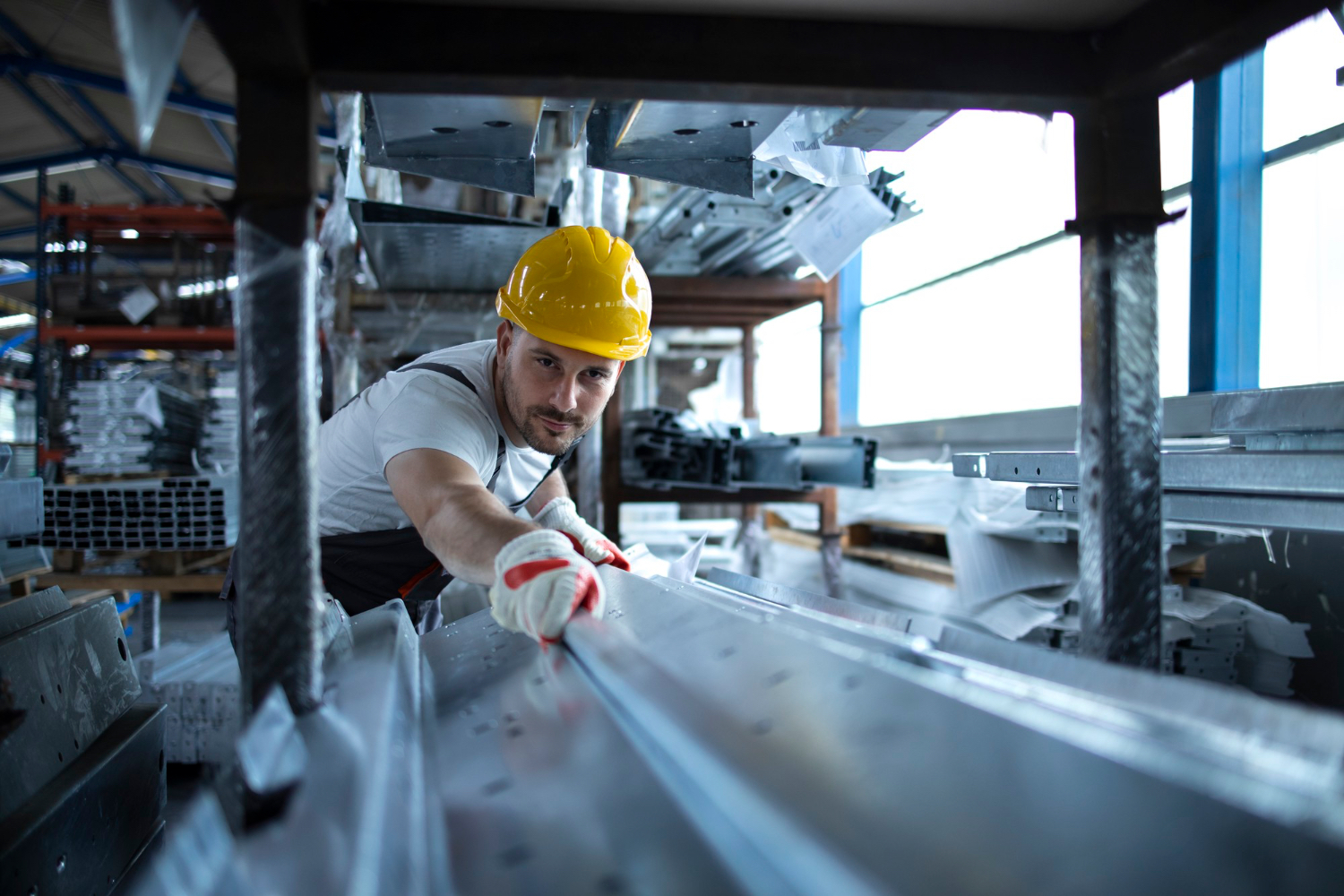
Starting a metal building project is an exciting opportunity for businesses, property owners, and developers who need durable, flexible space for operations, storage, or expansion. Pre engineered metal buildings have become increasingly popular because they offer strength, design flexibility, and faster construction timelines compared with many traditional building methods. However, like any major construction project, careful planning is essential to ensure the building meets your needs both now and in the future. Understanding the most important considerations before construction begins can help make the entire process smoother and more successful.
One of the first factors to evaluate is the intended purpose of the building. Metal buildings can be designed for many different uses, including warehouses, agricultural storage, manufacturing facilities, retail spaces, offices,residential barndominiums, and even metal church buildings. The building’s purpose will influence many aspects of the design, such as ceiling height, interior layout, door openings, insulation requirements, and structural features. Clearly defining how the building will be used helps ensure the design supports daily operations and long term functionality.
Location and site preparation are also critical parts of the planning process. Before construction begins, the building site must be evaluated for soil conditions, drainage, and accessibility. The layout of the property can affect how the building is positioned, where entrances are placed, and how vehicles or equipment move around the structure. Proper site preparation may include grading, foundation work, and utility connections. Addressing these factors early helps prevent delays once construction begins.
Local building codes and zoning regulations must also be considered before moving forward with a metal building project. Every city or county has specific requirements that govern building size, placement, structural standards, and permitted uses. These regulations may affect setbacks from property lines, building height restrictions, and parking requirements. Working with experienced contractors and design professionals can help ensure the project complies with local codes and avoids unnecessary complications during the permitting process.
Another important consideration is building size and future expansion. While it may be tempting to design a structure based only on current needs, many property owners benefit from planning additional space for future growth. Businesses often expand operations over time, and metal buildings offer the advantage of flexible layouts and potential expansion options. Designing a building with future add-ons in mind can save time and costs if expansion becomes necessary later.
Interior layout and workflow are also important when planning a metal building. The placement of doors, windows, loading docks, and interior workspaces can have a major impact on how efficiently the building operates. For example, warehouses may benefit from large clear span interiors that allow for flexible storage configurations. Manufacturing facilities may require designated areas for equipment, assembly lines, or shipping operations. Careful planning of interior space helps ensure the building supports productivity and efficient movement throughout the facility.
Energy efficiency and climate control should also be part of the early design discussion. Proper insulation, ventilation systems, and energy efficient building materials can help maintain comfortable indoor conditions while reducing long term operating costs. Metal buildings can be customized with various insulation options and wall systems that improve temperature control and overall efficiency.
Budget planning is another essential step before starting construction. While pre engineered metal buildings are often more cost effective than traditional construction methods, several factors influence the final project cost. These may include building size, customization options, foundation work, site preparation, and additional features such as insulation or specialized doors. Establishing a clear budget helps guide design decisions and ensures the project remains financially manageable.
Finally, selecting the right construction partner is one of the most important decisions in any building project. Experienced metal building contractors understand the complexities of design, permitting, and construction management. They can help guide property owners through the planning process, recommend design solutions, and ensure the project stays on schedule.
Starting a metal building project involves many moving parts, but careful preparation makes a significant difference. By considering factors such as building purpose, site conditions, regulatory requirements, future expansion, and overall budget, property owners can create a structure that meets both present needs and long term goals. With thoughtful planning and the right team in place, a metal building project can deliver lasting value and reliable performance for many years to come.
 Business Programs