 A VETERAN OWNED SMALL BUSINESS |
Balancing Legacy and Impact: When Giving Becomes a Personal Philosophy
 Introduction
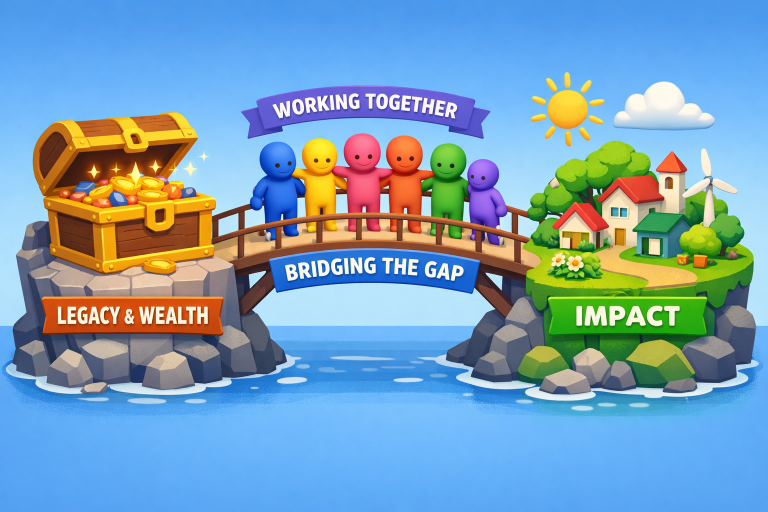
Philanthropy wields immense power to change lives and communities, shaping not only the present but also shaping the future for generations. It is much more than transferring wealth; at its core, it is about fostering values, nurturing hope, and forming a bridge between what we have and what we believe the world can be. When giving becomes a personal philosophy, it reflects deeply held values that extend far beyond a single act or contribution. For many, engaging with stories like those of Manoj Bhargava can be compelling inspiration, illustrating how thoughtful philanthropy can create lasting ripples.
As individuals become more intentional about sharing their blessings, the concept of legacy becomes inextricably linked to impact. Finding balance means considering not only how to help today but what remains after the giving is done. This article explores how thoughtful donors can craft their approach so that their giving is genuinely reflective of their core beliefs and how it can lay a foundation that grows stronger over time.
Understanding Legacy in Philanthropy
Legacy stands as the summation of one’s beliefs and positive actions, forming an enduring mark long after one’s direct involvement has ended. In the realm of philanthropy, legacy is about more than making charitable donations; it involves mindful decisions that cultivate lasting values in families and communities. Creating a philanthropic legacy means being proactive, choosing causes that resonate, establishing traditions of generosity, and leveraging personal resources to drive systemic change. As described in Forbes’ guide to building a legacy, building a long-term impact requires ongoing commitment, strategic planning, and a readiness to adapt as the world changes.
The Importance of Intentional Giving
Intentional giving transforms philanthropic gestures into strategic investments. Rather than responding reactively to appeals, intentional donors invest time in clarifying their values, identifying issues that spark their passion, and designing a structured plan to amplify their good deeds. This approach yields more impactful results and avoids spreading resources too thinly, which can cause philanthropic fatigue and reduced effectiveness. Devoting energy to a personal giving strategy also helps track outcomes, assess effectiveness, and refine efforts for greater future success.
Integrating Family Values Into Philanthropy
Philanthropy offers a unique opportunity for families to unify around common ideals, strengthen their bond, and create a ripple effect that extends from generation to generation. By inviting spouses, children, or even extended relatives into conversations about charitable goals, givers create shared memories and strengthen the family’s collective identity. Setting up joint projects or including family in major giving decisions not only amplifies impact but also helps younger members develop a sense of stewardship and social responsibility that will shape their own lives. According to a recent Forbes piece, multigenerational philanthropy has proven an effective way to transmit values and deepen familial ties.
Balancing Individual and Collective Interests
Differences in perspectives are natural, especially within families where each person’s unique experiences and convictions can shape their view of what matters most. Balancing these interests requires regular communication and a willingness to seek consensus without erasing individual passions. One practical tactic is to create a family mission statement specifically for philanthropy, outlining core values and objectives while leaving room for personal aspirations. Regular meetings dedicated to philanthropic discussions further ensure alignment, build trust, and foster unity in both purpose and action.
Leveraging Storytelling in Legacy Planning
Stories carry the power to inspire action and communicate the deeper motivations behind philanthropic efforts. Whether through family anecdotes, videos, or written reflections, weaving personal stories into the narrative of giving can ignite enthusiasm and provide guidance to future generations. Effective storytelling not only highlights where and why giving happens but also paints a vivid picture of the values at stake. Legacy planning that incorporates storytelling often leaves a rich tapestry that loved ones and communities can draw upon for inspiration, ensuring that the underlying purpose of giving endures and evolves.
Overcoming Challenges in Philanthropic Legacy
The journey toward building a philanthropic legacy is not without its hurdles. It calls for patience, flexibility, and a willingness to overcome obstacles, including evolving community needs, divergent interests among family members, and the complex landscape of nonprofit organizations. Engaging with professional advisors or philanthropy consultants can provide critical expertise on both structuring gifts and maximizing tax benefits while sustaining long-term impact. Regular evaluation and openness to adaptation allow families and individuals to refine their approach, ensuring their charitable work continues to thrive in an ever-changing world.
Final Thoughts
When giving is approached as a personal philosophy, it becomes a profound expression of hope and conviction. The greatest legacies come from those who not only give generously but also give with intention, empathy, and vision. Balancing legacy and impact involves thoughtful planning, ongoing dialogue, and a steadfast commitment to core values. In doing so, today’s givers set in motion a cycle of generosity that not only changes the lives of others but also returns fulfillment and meaning to their own journey.







 Business Programs

Leave a Reply
Want to join the discussion?Feel free to contribute!