 A VETERAN OWNED SMALL BUSINESS |
Healthcare Technology Systems That Support Quality Patient Care
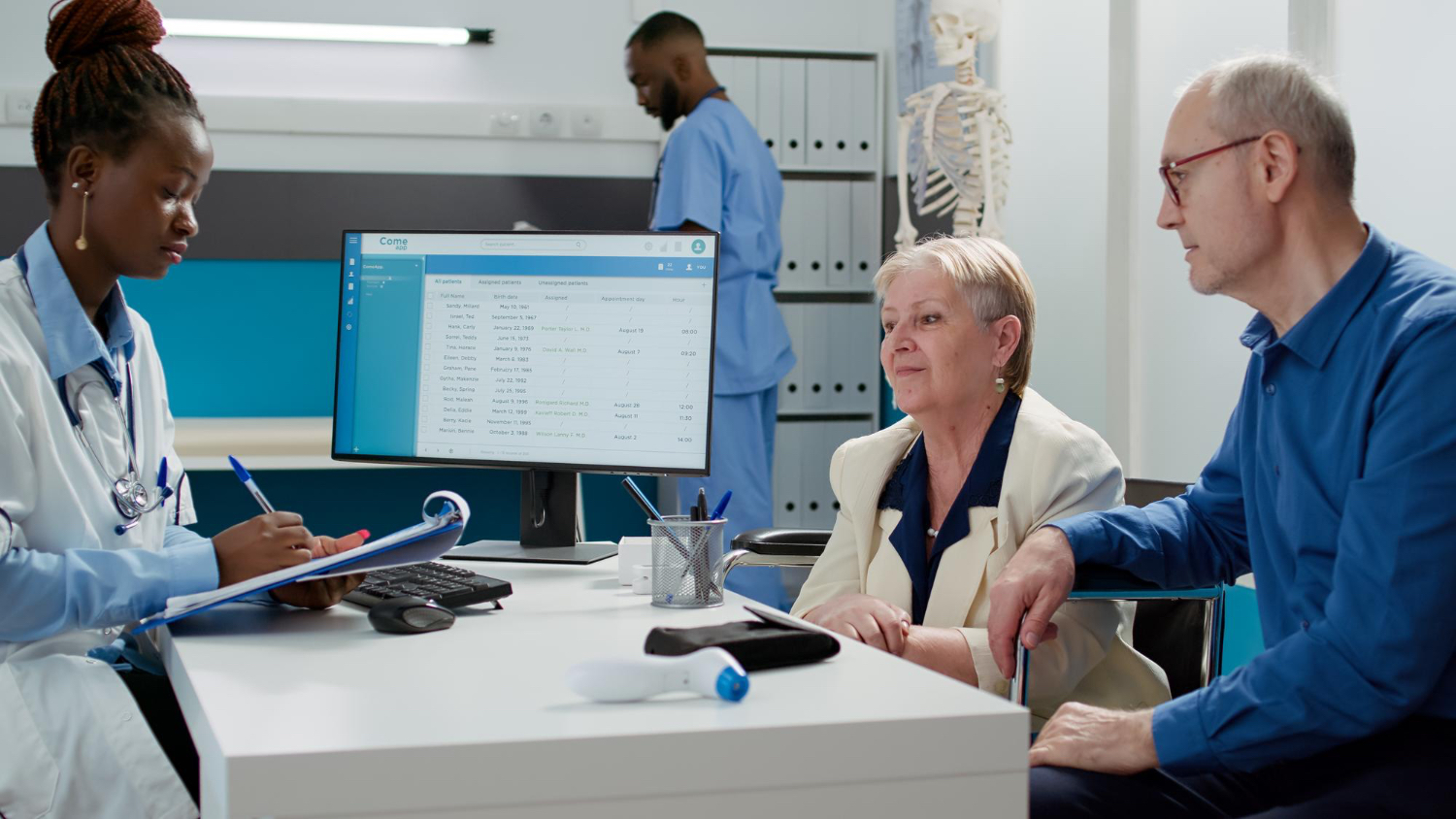
The healthcare industry has experienced tremendous technological growth over the past several decades. What once relied heavily on paper records, manual processes, and disconnected systems has evolved into a highly digital environment designed to improve patient outcomes and operational efficiency. Healthcare organizations today depend on a wide range of technology systems to support everything from provider verification and patient scheduling to treatment planning and care coordination. Let’s look at these systems and how they are helping patients.
Healthcare Credentialing Services Help Build Trust and Safety
Before a healthcare professional can provide care within a hospital, clinic, or healthcare network, their qualifications must be carefully verified. This process is critical for protecting patients, maintaining compliance, and ensuring that providers meet professional standards. That is why healthcare credentialing services play such an important role within modern healthcare organizations.
Credentialing involves verifying licenses, certifications, education, training, work history, and other qualifications before providers are approved to practice. Technology-driven credentialing systems help healthcare organizations manage these complex processes more efficiently while reducing the risk of human error. Automated workflows, digital record management, and ongoing monitoring help organizations maintain accurate provider information and respond quickly to changes. By ensuring that qualified professionals are delivering care, credentialing technology helps establish the foundation for patient safety and trust.
Personalized Healthcare Technology Is Improving Patient Experiences
One of the most significant developments in healthcare technology is the growing ability to personalize care based on individual patient needs. Rather than relying solely on generalized treatment approaches, healthcare providers now have access to tools that help tailor care plans, communication, and interventions more effectively.
Personalized healthcare technologies often use data collected from electronic health records, wearable devices, patient portals, and diagnostic tools to provide deeper insights into patient health. These systems allow providers to identify trends, monitor conditions more closely, and make more informed decisions about treatment options. Patients also benefit from more customized communication, educational resources, and care recommendations. As personalized healthcare technology continues to advance, it has the potential to improve both patient satisfaction and clinical outcomes.
Electronic Health Records Improve Care Coordination
Electronic health records, commonly known as EHRs, have become one of the most important technology systems in healthcare. These platforms provide a centralized location for storing patient information, including medical history, medications, diagnoses, test results, treatment plans, and clinical notes. Having this information readily available allows providers to make informed decisions more quickly.
One of the greatest benefits of EHR systems is improved care coordination. Patients often receive care from multiple providers across different specialties and facilities. Electronic records help ensure that critical information is accessible to authorized healthcare professionals, reducing duplication of services and improving communication among care teams. When providers have a complete view of a patient’s health history, they are better equipped to deliver safe and effective care.
Telehealth Expands Access to Care
Technology has significantly expanded the ways patients can access healthcare services. Telehealth platforms have become increasingly common, allowing patients to connect with providers remotely through secure video, phone, or digital communication channels. This technology has proven especially valuable for individuals living in rural areas, patients with mobility challenges, and those seeking convenient access to care.
Telehealth systems help reduce barriers that may prevent patients from receiving timely medical attention. Patients can schedule appointments more easily, consult with specialists from a distance, and receive follow-up care without extensive travel. Healthcare organizations also benefit from increased flexibility and improved resource utilization. While telehealth may not replace all in-person services, it has become an important component of comprehensive patient care strategies.
Clinical Decision Support Systems Enhance Accuracy
Healthcare providers must make complex decisions every day, often while managing significant amounts of information. Clinical decision support systems are designed to assist providers by delivering evidence-based recommendations, alerts, and relevant patient data at the point of care.
These systems can help identify potential medication interactions, highlight preventive care opportunities, recommend treatment guidelines, and flag abnormal test results. By providing timely information, clinical decision support tools help reduce the likelihood of errors while supporting better clinical decisions. Importantly, these technologies are intended to support healthcare professionals rather than replace their expertise. When used effectively, they serve as valuable resources that enhance both efficiency and patient safety.
Data Analytics Helps Organizations Improve Quality
Healthcare organizations generate vast amounts of data every day. Patient outcomes, operational performance, staffing levels, treatment effectiveness, and financial metrics all provide valuable information that can be used to improve care delivery. Data analytics systems help transform this information into actionable insights.
Advanced analytics platforms allow healthcare leaders to identify trends, monitor quality measures, and evaluate performance across departments and facilities. Organizations can use these insights to improve patient outcomes, reduce hospital readmissions, identify gaps in care, and allocate resources more effectively.
Related content from StrategyDriven








 Business Programs

Leave a Reply
Want to join the discussion?Feel free to contribute!