 A VETERAN OWNED SMALL BUSINESS |

What Entrepreneurs Should Consider When Buying a Vending Machine
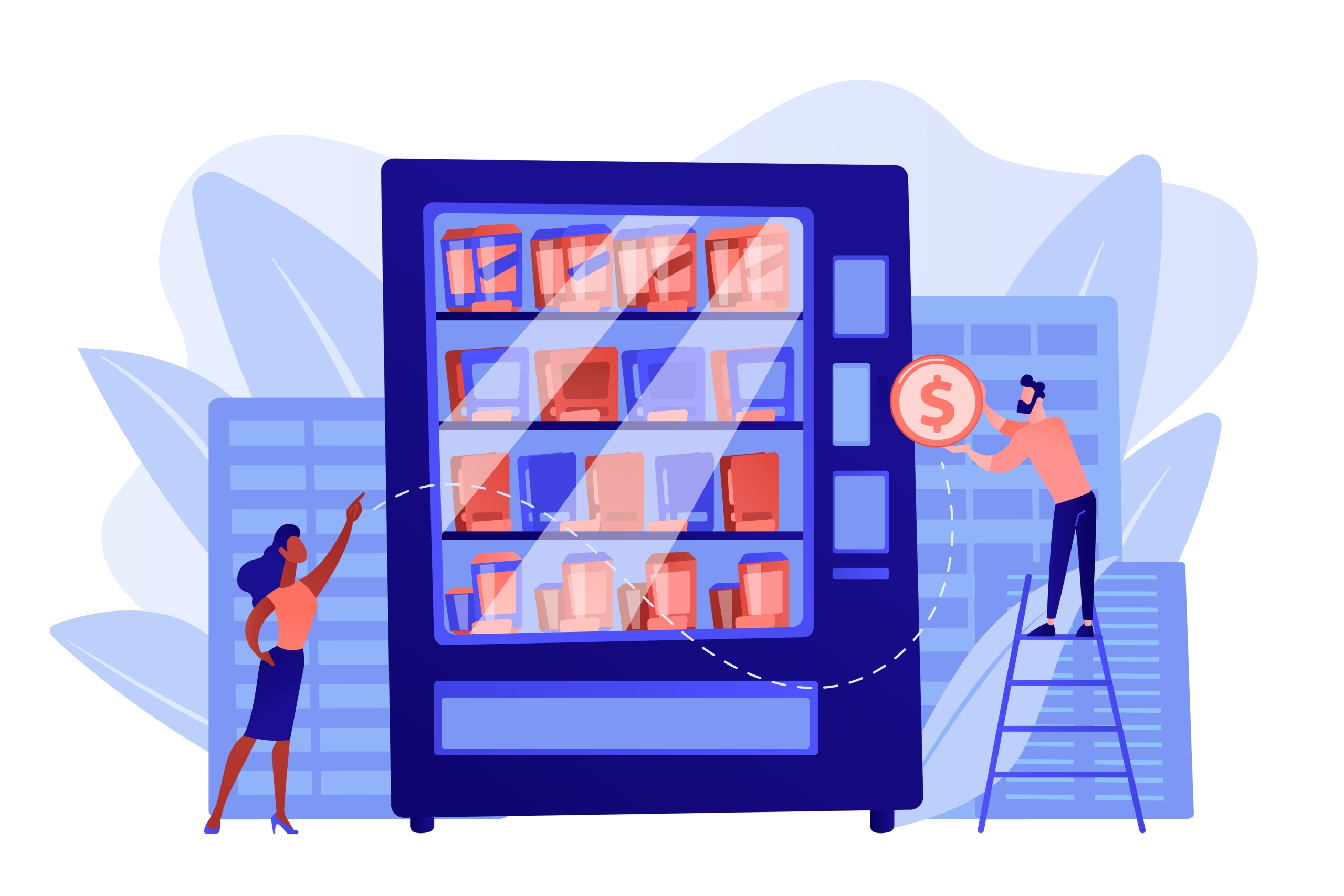
What should you know before buying a vending machine for your business? Before paying a deposit, consider who will use it, which products they are likely to buy, and how they prefer to pay. You should also look beyond the purchase price to account for delivery, installation, maintenance, and restocking costs.
While comparing models across the United States, it is easy to focus on modern features and appearance, but the machine’s suitability for your location and customers matters just as much. This guide explains how to evaluate machine types, payment technology, total costs, legal requirements, and delivery options so you can make a more informed purchasing decision.
Start With Your Location and Customers
The best machine is the one that fits the place it will sit in. Think about who walks past, when they are hungry or thirsty and what is already nearby. Office workers may want coffee and snacks, students may want inexpensive drinks and hospital visitors may want a quick bite at odd hours.
Before you look at any equipment, visit your likely locations and talk to the managers. Knowing the space, power supply and foot traffic helps you pick the right size and style instead of guessing.
Match the Machine Type to Your Products
Different products need different machines. Common options include:
- Snack machines: for packaged items that stay fine at room temperature
- Cold drink machines: with refrigeration for bottles and cans
- Combo machines: for a mix of snacks and drinks in one footprint
- Coffee and hot drink machines: for offices and waiting areas
- Specialty machines: for non-food items such as personal care or small accessories
Check capacity and the number of product slots against how often you can restock. A larger machine is not always better if it sits half empty.
Compare Payment Options and Technology
Many customers carry little cash, so card and mobile payment options matter. Look for machines that accept cards, contactless payments and mobile wallets, and ask whether bill and coin acceptors are included.
Remote monitoring is another feature worth understanding. Some machines can show sales and stock levels on a dashboard, which may save trips. Ask whether this costs extra each month, since a recurring fee changes your budget over time.
Look at Where to Shop and What to Ask
You can purchase vending equipment from manufacturers, distributors, resellers, or used-equipment sellers, and each option comes with different advantages. Some may offer newer models with updated payment technology, while others may provide more affordable refurbished or pre-owned machines. When comparing options, look beyond the initial purchase price and consider the quality of equipment, available features, and after-sales support.
When exploring vending machines for sale, compare different categories, including snack, beverage, combination, and coffee machines. Pay attention to specifications such as product capacity, number of selection slots, temperature controls, payment options, and delivery arrangements. These details can help you determine whether a particular machine is suitable for your products and intended location.
Before making a purchase, ask potential sellers a few important questions:
- What warranty is included, and which components does it cover?
- Who handles repairs, and how quickly can service be arranged?
- Are replacement parts readily available?
- Is the machine new, refurbished, or previously used?
- Does the purchase include delivery, installation, or setup assistance?
Comparing these details across multiple sellers can help you avoid unexpected expenses and choose equipment that supports your business requirements. Always request clear written information about pricing, warranty coverage, and service arrangements before finalizing your purchase.
Understand Total Cost, Not Just Price
The sticker price is only one part of the picture. Add up what you will spend to get started and keep going:
- Delivery, placement and setup
- Initial inventory
- Payment processing and monitoring fees
- Insurance, permits and storage
- Repairs and replacement parts
If you plan to finance a purchase, compare the full terms, not just the monthly payment. A realistic budget protects you from overspending on equipment before you have proven a location.
Check the Rules Before You Buy
Regulations can affect which products you sell and how you label them. For example, the FDA says that operators who own or operate 20 or more vending machines must disclose calorie information for food sold from them. Keep the limits in mind: the page does not describe the exemptions, most new owners start well below 20 machines and local permit and health rules may apply separately.
Even if you are small now, it helps to know where growth might lead. Check your city, county and state requirements, and confirm what applies to your products before you place an order.
Plan Delivery, Setup and Service
A smooth start depends on the details after you click buy. Follow this order:
- Confirm the timeline: ask whether the unit is in stock or built to order
- Prepare the site: check the space, a level floor and a nearby power outlet
- Clarify delivery: find out whether placement and unpacking are included
- Test everything: try the payment system, refrigeration and product dispensing
- Set your routine: schedule restocking and cleaning before opening day
Small checks before launch can save larger problems later.
Conclusion
Buying a vending machine is a business decision, not just an equipment purchase. Start with your location and customers, match the machine and payment options to your products, compare sellers and support, and look at the total cost instead of the price tag alone. Check the rules that apply to you, plan delivery and setup carefully and start small so you can learn from real sales. With a clear checklist and patient research, you can choose equipment that fits your plans and supports steady growth.




 Business Programs


Leave a Reply
Want to join the discussion?Feel free to contribute!