 A VETERAN OWNED SMALL BUSINESS |
Dental Implants: A Modern Solution for Missing Teeth
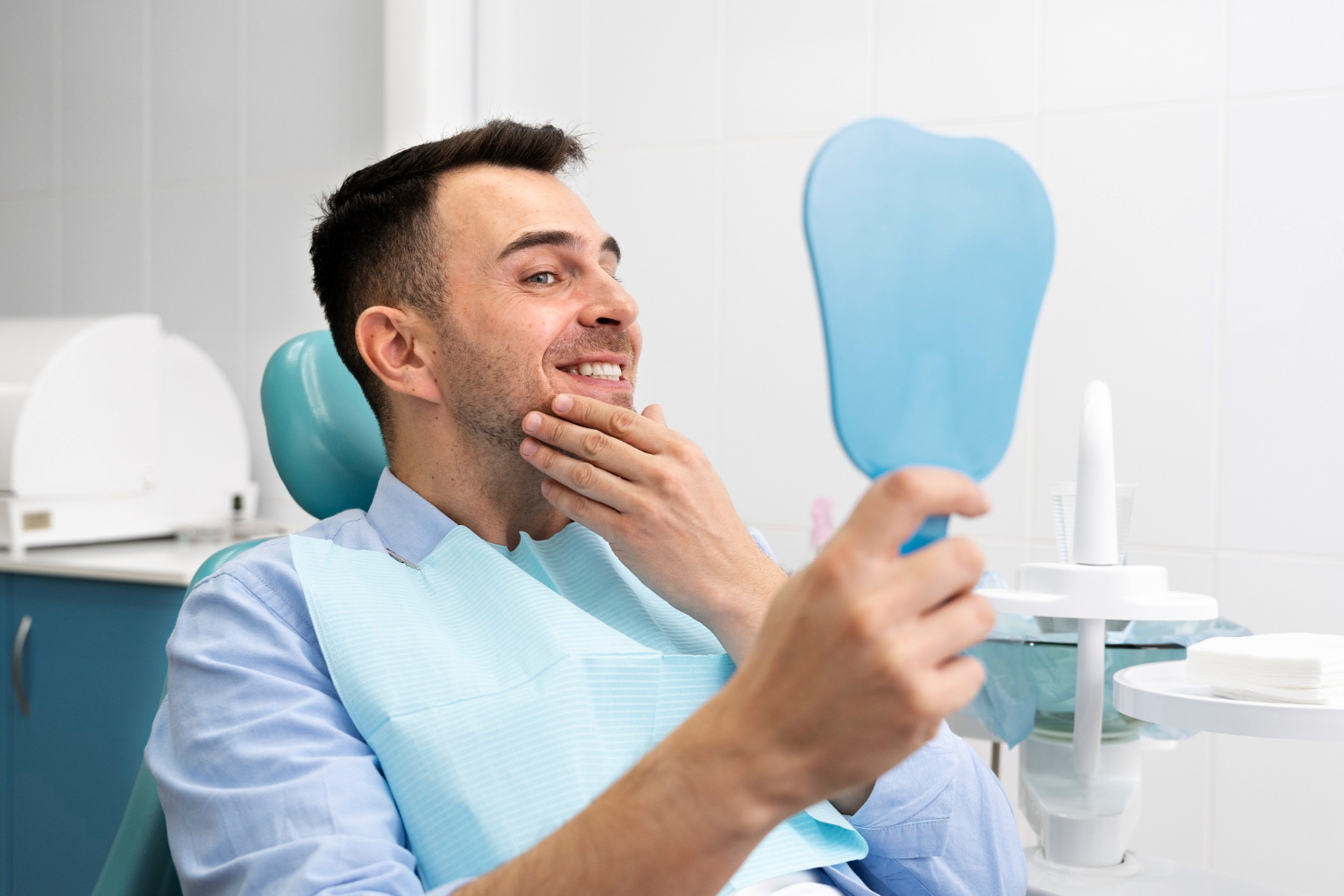
Living with missing teeth is more than a cosmetic issue. It can hinder your ability to chew foods you enjoy and even impact how you interact with others. Fortunately, thanks to modern advances, dental implants can restore the function and appearance of your smile.
Unlike dentures or other temporary solutions, dental implants are a durable and natural-looking way to replace missing teeth. They do not just fill the gap; they work much like a real tooth root, fusing with your jawbone over time for lasting stability. This means you can eat, speak, and smile with renewed confidence.
Dental implants have become the gold standard in tooth replacement because they preserve the jawbone and prevent the facial changes often seen in individuals who lose teeth. By replacing the root and the crown, they provide strength and security unmatched by most alternatives.
What Are Dental Implants?
Dental implants are small titanium posts or screws that are surgically placed into the jawbone beneath your gums. Once inserted, they act as artificial roots for replacement teeth. A critical benefit of dental implants is the biological process called osseointegration, in which the implant fuses with the natural bone, creating a strong, permanent foundation for a custom-made crown.
The versatility of dental implants allows them to support single crowns, bridges, or even full dentures. Their close resemblance to natural teeth in look and function makes them highly popular among both dentists and patients.
Benefits of Dental Implants
- Natural Appearance: Designed to mimic real teeth in both appearance and feel, implants blend seamlessly with your smile.
- Long-Term Durability: With proper oral hygiene and dental visits, implants can last many decades, often for the rest of your life.
- Better Functionality: Enjoy eating the foods you love without worrying about shifting or slipping, as implants restore bite strength and prevent movement.
- Jawbone Preservation: Implants stimulate your jaw just like real teeth. This prevents the bone loss that often occurs after losing natural teeth.
These long-term benefits outshine many other tooth replacement solutions, making implants a smart investment for your dental health.
Who Is a Candidate for Dental Implants?
Dental implants are an excellent option if you are missing one or several teeth and want a permanent solution. Most healthy adults with adequate bone density are candidates for the procedure. Important qualifications include:
- One or multiple missing teeth
- Good overall physical health
- Healthy gums, free from severe periodontal disease
- Enough bone density to hold the implant
Patients who do not initially have enough jawbone may still qualify for dental implants with additional procedures, such as bone grafting. Chronic health issues such as diabetes or smoking habits may affect candidacy, but advancements in modern dentistry have expanded options for many patients. Consulting your dental provider is essential to determine your eligibility.
The Dental Implant Procedure
The dental implant process involves several steps, usually completed over a few months to allow the jawbone to heal and securely anchor the implant. Here is what to expect:
- Consultation and Planning: The process begins with an assessment of oral and general health, often including x-rays or 3D imaging, to develop a personalized treatment plan.
- Implant Placement: Your oral surgeon places the titanium implant into your jawbone. This is often done under local anesthesia or sedation.
- Healing and Osseointegration: Over the next few months, your bone tissue fuses with the implant, anchoring it firmly.
- Abutment Placement: After healing, a small metal post, called an abutment, is attached to the implant to support your new tooth.
- Crown Placement: Finally, a dentist crafts and attaches a custom-made crown, completing your restoration.
Each treatment plan is unique, and your dentist will outline the timeline and expectations during the consultation phase.
Caring for Your Dental Implants
Maintaining your dental implants ensures they last as long as possible. Basic oral hygiene practices are fundamental, just as they are for natural teeth.
- Brush at least twice a day with a soft-bristle toothbrush
- Floss daily to remove debris and plaque buildup
- Visit your dentist for routine check-ups and professional cleanings
- Avoid chewing very hard foods, such as ice or hard candy, that might damage the crown
Consistent care helps protect against gum disease and implant failure, promoting long-term durability and oral health.
Cost Considerations
The price of dental implants depends on individual needs, the number of teeth to be replaced, location, and whether preliminary procedures like bone grafting are necessary. While dental implants initially cost more than alternatives like dentures or bridges, their longevity and the daily improvements in quality of life often make them cost-effective over time. Many dental practices offer financing or payment plans to help make implants more accessible. You should review your dental insurance plan to determine whether it provides coverage or reimbursement.
Alternatives to Dental Implants
If dental implants are not right for you, other tooth replacement options include:
- Dental Bridges: These fixed prosthetics use adjacent natural teeth for anchoring an artificial tooth in the gap.
- Partial or Full Dentures: Removable appliances that replace several or all missing teeth, which may provide a quicker or more economical solution for some patients.
Each alternative has pros and cons, including longevity, comfort, and maintenance, which should be discussed with your dental provider to find the best fit for your situation.
Final Thoughts
Dental implants are a reliable and modern solution for those missing one or more teeth, capable of significantly improving oral function and confidence. If you are considering ways to restore your smile or replace a missing tooth, consult with a qualified dental professional to explore if dental implants fit your health and lifestyle needs.








 Business Programs

Leave a Reply
Want to join the discussion?Feel free to contribute!