 A VETERAN OWNED SMALL BUSINESS |
Why Industrial-Grade Above Ground Storage Tanks are the Future of Bulk Fueling
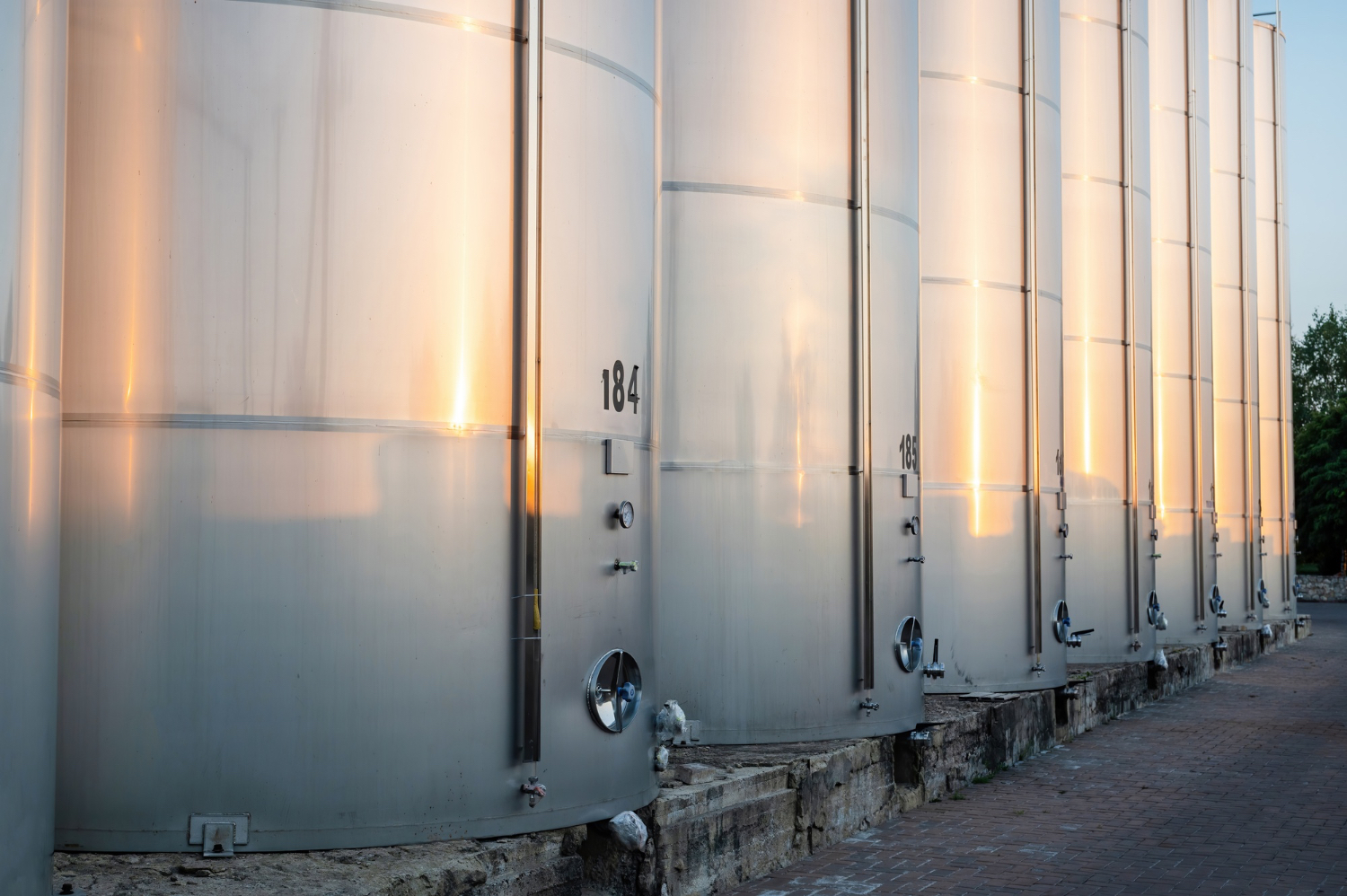
In the quickly changing industry, in 2026, there is a greater demand for energy security and operational agility than ever before. The conventional “buried asset” model for facilities with large fuel needs is in its last phase of obsolescence.
Industrial-grade above ground storage tanks (ASTs) are now the answer businesses are looking for when it comes to bulk fueling and are being promoted as the best all-round solution for businesses that have bulk fueling operations, as they provide visibility, rapid scalability, and greater environmental resilience.
Putting storage tanks (ASTs) above ground not only simplifies the infrastructure of an enterprise, but it also prepares the operation to sustain itself against the increasing costs of subterranean maintenance and builds in the ability to better comply with modern environmental regulations.
The Shift Toward Visibility and Risk Mitigation
Industrial-grade storage is being adopted primarily as a result of “Integrity-First” management. By 2026, the financial and reputational effects of having a leak underground that remains undetected will be catastrophic. Buried tanks can corrode for years, sometimes without any leak being detected until after there is an environmental and soil contamination, and remediating from that can often cost hundreds of thousands of dollars.
Using it could help facility managers implement a visual-first inspection protocol. These systems are usually installed on engineered concrete pads, allowing for visual access to the entire external tank shell, as well as all the piping and valve assemblies, making them accessible for regular monitoring. Enhanced visibility is also created because of new Double-Walled constructions (where a secondary 110% of the primary shell will provide secondary containment), which will virtually eliminate the chances of a leak from the primary tank shell and contaminating the environment.
Streamlining the Fuel Tank Installation Process
In today’s competitive landscape, the ability to quickly deploy fuel tanks gives companies a significant advantage in their respective marketplaces. With traditional installations for new underground tanks, the times and workloads to prepare a site for a new tank can be extremely lengthy, as multiple soil stability tests, excavations, footings, and bracing are needed before installation can occur, with an anticipated duration of several weeks.
When compared to those lengthy timelines, an industrial-grade above-ground tank system can be delivered to a facility and put into service within a few days of arriving at the job site. Since the footprint of the tank is small, the site preparation is limited to the installation of a reinforced concrete foundation to support the tank, along with connecting power and telemetry to the facility. Using a crane to place a skid-mounted above-ground tank system into a powered facility enables a plug-and-play capability for owners with mining, construction, and emergency generation industries who have to schedule, relocate or even scale their storage assets depending on changes to the projects that are being constructed. Moreover, permitting time and efforts for an Industrial-grade above ground storage tanks (ASTs) are often less burdensome to the owner than permitting time and work required on environmental impact studies that must accompany new underground storage systems, given the associated environmental risks that are created by digging and installing new underground storage systems.
Long-Term ROI and Asset Flexibility
The financial case for industrial-grade ASTs is built on the foundation of asset longevity and lower total cost of ownership (TCO). While underground tanks are constantly subjected to the corrosive effects of soil moisture and fluctuating pH levels, above ground tanks are shielded from these “invisible” threats. With modern corrosion-resistant coatings and advanced materials like glass-fused-to-steel, a high-quality AST can remain in peak service for 40 to 50 years—nearly double the reliable lifespan of a buried steel tank.
Moreover, industrial-grade tanks offer a level of “investment portability” that underground systems cannot match. If a business relocates or a lease expires, an above ground tank can be emptied, cleaned, and transported to a new facility. An underground tank, once installed, becomes a permanent fixture of the real estate—often becoming a major hurdle during property transfers due to the extensive “due diligence” required by lenders and environmental agencies.
Common Questions Regarding Industrial Bulk Fueling
1. What are the secondary containment requirements for industrial ASTs in 2026?
Most states follow EPA SPCC (Spill Prevention, Control, and Countermeasure) rules, which require containment for 100% of the largest tank’s volume plus a 10% allowance for precipitation if the area is exposed. Double-walled tanks usually satisfy this requirement natively.
2. Can industrial above ground tanks store biofuels?
Yes, modern tanks can be lined with specific epoxy or fiberglass coatings to handle B20 or B100 biodiesel and ethanol blends without degradation.
3. How are ASTs protected from vehicle impact?
Standard industrial installations require concrete-filled bollards or “Jersey barriers” placed at a minimum distance (typically 3 feet) from the tank to prevent accidental damage from fleet traffic.
Responsible Use
The sector must strictly adhere to federal and state guidelines regarding large industrial tanks, which offer superior protection. This article does not provide the professional services of a licensed environmental engineer or certified tank inspector; rather, it provides an overview of regulation as it relates to these tanks. All owners/operators of facilities storing more than 1,320 gallons of oil must have an up-to-date SPCC plan, and as many larger tank facilities exceed 10,000 gallons, they may require state-level use permits subject to periodic renewal.
Verify that the installation complies with the local fire marshal’s setback requirement by checking both the original and renewed building permit; also, verify that there is adequate emergency venting as required by NFPA 30. All tank owners/operators must proactively maintain their tanks to provide assurance they will meet the operational goals for many years to come.
Conclusion
Making the move to an industrial grade AST represents a major paradigm shift in our approach to building out a more transparent and resilient energy network and creating real-time access to the facility’s assets. Switching bulk fuels to an above ground storage tank allows facilities to have much greater control over their assets and to significantly reduce their environmental footprint and add operational flexibility. With the supply chain being a critical component of successful business practices, industrial-grade ASTs provide businesses with a secure, visible, and scalable platform to be successful in 2026 and beyond.









 Business Programs

Leave a Reply
Want to join the discussion?Feel free to contribute!