 A VETERAN OWNED SMALL BUSINESS |
How Smart Hiring Technology Is Changing Recruitment
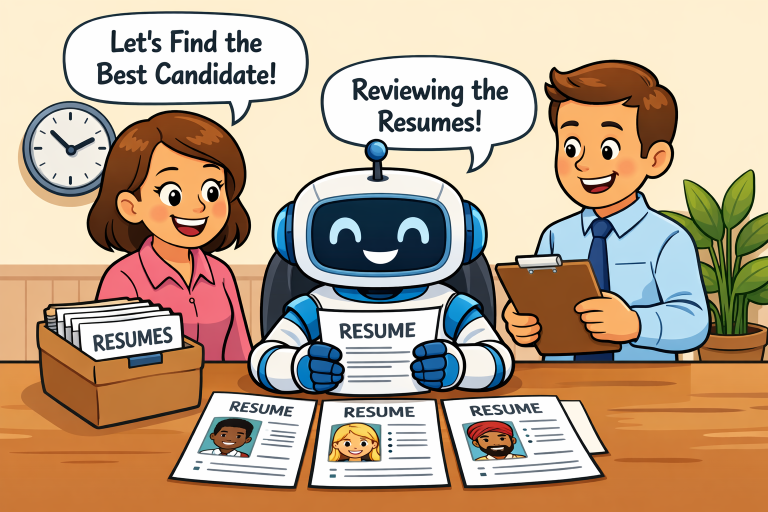
The Rise of AI in Recruitment
Recruitment has evolved significantly as organizations increasingly adopt artificial intelligence and automation to enhance how they source and engage talent. These advanced hiring technologies streamline repetitive tasks while uncovering deeper insights from candidate data, making them indispensable in modern recruitment. As a result, expectations around efficiency and decision-making in talent acquisition continue to rise. With more companies aiming to scale their hiring efforts, gaining clarity on the applicant tracking system definition has become essential. This growing interest is not limited to large enterprises, as smaller organizations also seek practical ways to improve and optimize their recruitment workflows.
Automating basic and time-consuming tasks, such as resume parsing and interview scheduling, allows recruiters to devote more energy to networking and strategic activities that add core value. AI can review and rank candidates at a scale and speed that is simply impossible for human recruiters. As a result, companies can enhance candidate quality and build more robust talent pipelines for future growth.
Enhancing Efficiency and Decision-Making
Through advanced algorithms, AI-powered recruitment tools can swiftly screen thousands of resumes and social media profiles, pinpointing applicants whose skills and backgrounds align with job requirements. This approach greatly reduces time-to-hire and helps recruiters focus on high-potential candidates rather than sifting through applications manually. Predictive analytics is another emerging field in which smart systems analyze data from previous hires to forecast an applicant’s likelihood of success within an organization. These insights empower hiring managers to make better-informed, data-driven choices and minimize costly hiring mistakes.
The shift toward data-driven hiring decisions is also backed by research from larger organizations. According to a recent Harvard Business Review article, companies leveraging AI have reported higher retention rates and greater overall job satisfaction among new hires. This improvement stems from a tighter alignment between job roles and candidate skills, reducing mismatch and turnover.
Reducing Bias and Promoting Diversity
AI’s potential to promote fairer hiring processes is one of its most exciting benefits. When properly designed, these systems focus on skills, experience, and other objective qualifications, minimizing the impact of unconscious bias on human decision-makers. By structuring candidate evaluation around predetermined competencies rather than subjective impressions, smart technology can help create more diverse applicant pools and drive inclusion.
However, there remain challenges related to biases embedded within AI training data. If algorithms are developed on biased historical hiring data, they may unintentionally learn and perpetuate these patterns. For this reason, regular auditing and refinements are essential to ensure these tools work as intended, supporting fairness and equal opportunity. Human oversight and ethical considerations must remain central to any hiring technology strategy.
Challenges and Considerations
Despite the many benefits, integrating AI into the recruitment process also comes with challenges. Over-reliance on technology can sometimes lead to impersonal experiences, alienating candidates or missing nuanced qualities that a human recruiter might detect. Furthermore, the complexity of some AI tools can create transparency issues; candidates and organizations may not always clearly understand how certain hiring decisions are reached.
Organizations should view AI as an assistant rather than a replacement for human judgment. Blending automated processes with thoughtful, human-led review will help ensure that hiring remains fair and that promising candidates are not overlooked due to system limitations. As TechTarget highlights, ensuring AI-driven recruitment is implemented responsibly requires ongoing evaluation and a clear understanding of its benefits and risks.
Real-World Applications
Many organizations are leading the way in adopting AI-driven hiring tools to improve the recruitment experience. For example, AI chatbots are increasingly deployed to handle initial candidate engagement, answer frequently asked questions, and automate interview scheduling. This technology enables a smoother and more responsive application process. Additionally, advanced platforms analyze candidates’ recorded video interviews, extracting insights from both verbal responses and non-verbal cues such as facial expressions and body language. These improvements streamline assessment without sacrificing the depth of candidate evaluation.
The practical uses of smart hiring technology go well beyond resume screening. Some systems integrate with platforms like LinkedIn to source passive candidates who may not have formally applied. This outreach expands talent pools and attracts highly sought-after professionals who may not be active job seekers.
Future Trends in Recruitment Technology
The pace of technological innovation in recruitment shows no signs of slowing. The next wave of advancements includes exploring virtual reality (VR) and augmented reality (AR) for job previews and skill assessments. These experiences provide candidates with immersive looks at actual work environments and allow employers to assess abilities in simulated real-world scenarios. Additionally, integrating AI with broader HR systems will facilitate seamless workflows from hiring to onboarding and employee development.
One compelling trend is the rise of ethical AI, where transparency, data privacy, and fairness are prioritized. As adoption grows, employers will need to invest not just in smarter tools but also in ongoing monitoring and governance to ensure safe, principled use. Thought leaders and organizations alike continue to look for ways to maximize benefits while proactively addressing potential risks.
Conclusion
Smart hiring technologies are profoundly altering the recruitment landscape. They unlock greater efficiency, minimize unconscious bias, and drive better hiring outcomes through data-backed insights. Yet, the path forward blends innovation with responsibility. Human oversight, ethical considerations, and continuous evaluation are critical to harnessing the full promise of AI while avoiding its pitfalls. As these tools grow in sophistication and adoption, companies ready to combine advanced technology with thoughtful people practices will gain a clear edge in the future of talent acquisition.









 Business Programs

Leave a Reply
Want to join the discussion?Feel free to contribute!