 A VETERAN OWNED SMALL BUSINESS |
How Smart Home Technology Is Transforming the Homebuying Experience
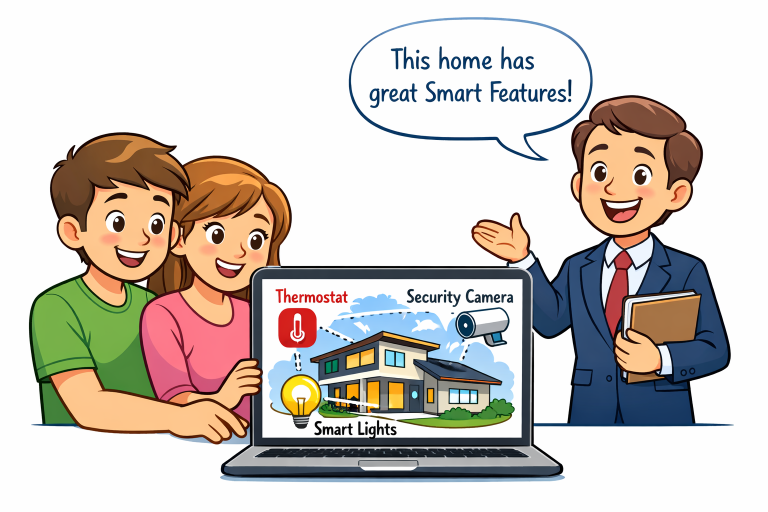
In today’s rapidly evolving real estate market, smart home technology is revolutionizing the way buyers search for, evaluate, and purchase homes. From AI-driven property searches to immersive virtual tours, these advancements are making the homebuying process more efficient and personalized than ever before. For those navigating this modern landscape, partnering with knowledgeable professionals is crucial. Wichita Falls TX real estate experts Bishop Realtor Group, a trusted name in North Texas real estate for over three decades, offer invaluable guidance. Their deep understanding of current market trends and technological advancements ensures that buyers are well-informed about properties featuring the latest smart home technologies, helping them make decisions that align with their preferences and lifestyle.
AI-Powered Property Searches
Artificial intelligence is reshaping how buyers find homes. Real estate platforms now utilize machine learning algorithms to analyze user preferences, presenting tailored property recommendations that align with individual needs and desires. This personalized approach saves time and enhances the overall search experience.
With AI’s ability to analyze vast databases instantly, buyers no longer have to sift through countless irrelevant listings. Intelligent systems can interpret subtle preferences, like architectural styles or proximity to technology hubs, and seamlessly match them with available properties. In addition, AI-driven chatbots are available to assist with inquiries 24/7. These bots help answer questions quickly, schedule tours, and even provide insights about local neighborhoods, further customizing the property discovery journey for prospective buyers.
Virtual Tours and Augmented Reality
Gone are the days of relying solely on in-person visits. Virtual tours and augmented reality allow buyers to explore properties remotely, providing a realistic sense of space and layout. These tools enable potential homeowners to narrow down their options efficiently, focusing on properties that truly meet their criteria.
The latest advances in augmented reality (AR) enable users to visualize furniture placement, color schemes, and even potential renovations within a space using their smartphones or headsets. As a result, buyers gain a better feel for how a property fits their lives without setting foot inside. This is especially beneficial for out-of-town buyers or those with limited time for travel. Many listings now include 3D models and virtual staging, giving home shoppers a clear picture of the property’s potential and allowing them to make quicker, more informed decisions.
Streamlined Transactions with Blockchain
Blockchain technology is introducing transparency and efficiency into real estate transactions. By securely recording and verifying each step of the process, blockchain reduces the need for intermediaries, minimizes paperwork, and accelerates closing times. This innovation offers buyers a more seamless and trustworthy purchasing experience.
Digital contracts and blockchain-powered escrow services help reduce the possibility of fraud and errors. Buyers and sellers can access immutable transaction records, which builds trust between all parties. Furthermore, the efficiency gains from digitizing documentation shorten transaction timelines, making homeownership more attainable. This level of transparency and security is particularly appealing to first-time buyers, who may be navigating the process and want the peace of mind that technology can provide.
Smart Features Enhancing Property Value
Modern buyers are increasingly attracted to homes equipped with smart features. Devices such as smart thermostats, lighting systems, and security cameras not only offer convenience but also enhance energy efficiency and safety. Properties equipped with these technologies often see increased market value and appeal.
These features can also lead to long-term cost savings by optimizing energy use and minimizing resource waste. Smart irrigation systems, remote-controlled blinds, and appliances connected to a central hub foster a sense of futuristic living. Moreover, advanced security systems, such as video doorbells, motion sensors, and remote monitoring, add an extra layer of protection. When it comes time to sell, homes with integrated technology often have a competitive edge, attracting tech-savvy buyers who are willing to pay a premium for these modern amenities.
Meeting Buyer Expectations
As smart home technology becomes more prevalent, buyers expect these features as standard. Homes lacking integrated smart systems may be at a competitive disadvantage. Sellers and builders are recognizing this trend, incorporating smart technologies to meet market demands and enhance property desirability.
Builders are increasingly collaborating with tech companies to include pre-installed devices, such as voice-activated assistants and wireless hubs. The result is a seamless experience for buyers who want instant connectivity and automation upon moving in. Real estate agents now regularly highlight smart home features in listings to attract more interest. As buyers become increasingly accustomed to a digital lifestyle, their expectations will only continue to evolve.
Challenges and Considerations
While the benefits are clear, integrating smart home technology comes with challenges. Compatibility between devices, data privacy concerns, and the need for ongoing maintenance are factors buyers should consider. It’s essential to assess the reliability and security of smart systems before making a purchase.
Homeowners should also consider the costs of upgrades and future-proofing. Keeping systems updated and secure requires periodic software patches and, occasionally, hardware replacement. For those concerned about privacy, choosing trusted brands and ensuring encrypted communications is crucial. Consulting with professionals can help buyers understand installation requirements and long-term maintenance obligations, ensuring their investment is both functional and secure.
The Future of Smart Home Integration
Looking ahead, the integration of smart home technology is set to deepen. Innovations in AI, the Internet of Things (IoT), and home automation will continue to shape the real estate landscape. Buyers can anticipate more intuitive, interconnected home environments that further enhance comfort and convenience.
Future trends may include voice-activated control of nearly all household systems, adaptive lighting and climate control based on the occupants’ routines, and smart appliances that communicate with each other to optimize resource use. In addition, improvements in interoperability standards will facilitate more seamless integration between products from different manufacturers. As technology continues to evolve, the homes of tomorrow will not only be places to live but also responsive environments that actively enhance the quality of life for their inhabitants.
Embracing smart home technology is no longer a luxury but a standard in today’s homebuyingexperience. By understanding and leveraging these advancements, buyers can find homes that offer both modern conveniences and long-term value.









 Business Programs
Leave a Reply
Want to join the discussion?Feel free to contribute!