 A VETERAN OWNED SMALL BUSINESS |
Key Steps to Building a Profitable Landscaping Company
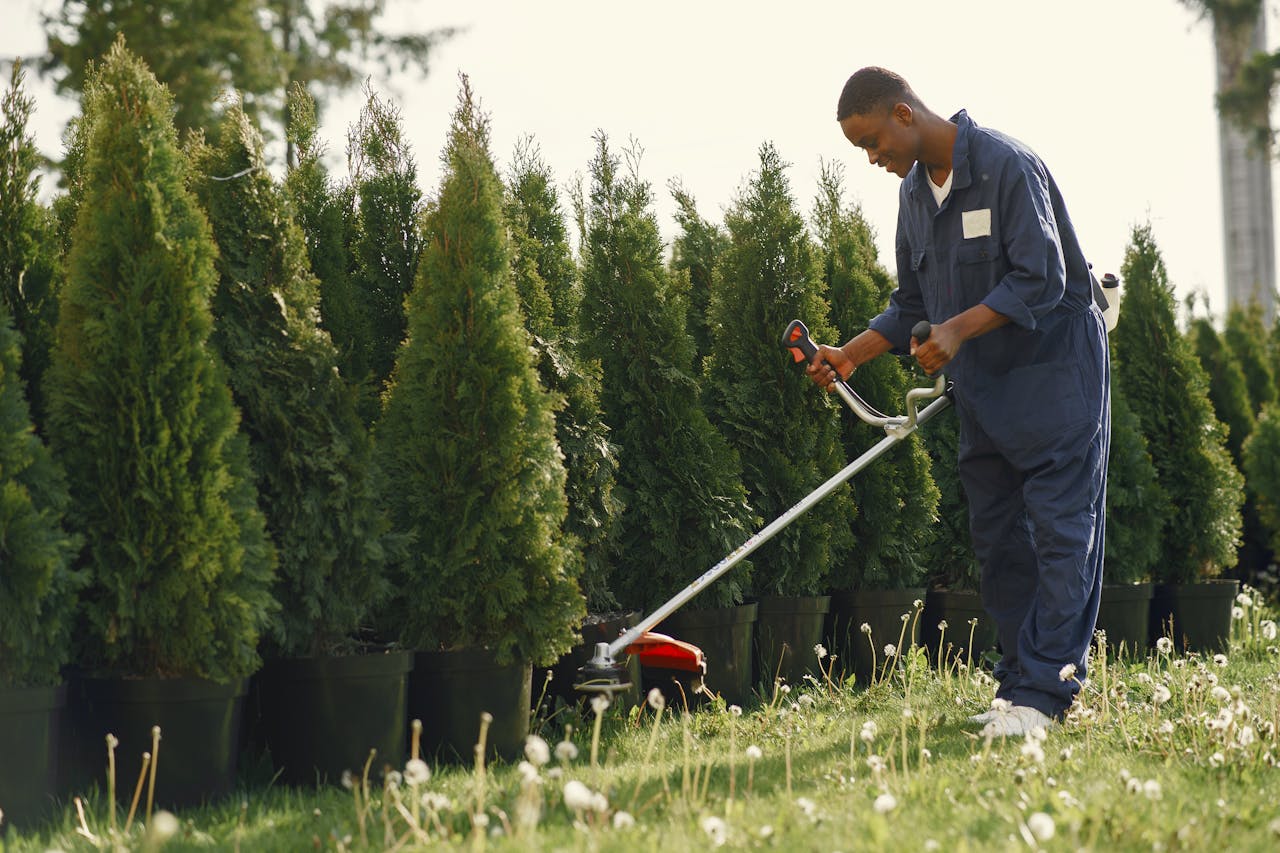
Have you ever looked at a perfectly trimmed lawn and thought, “Someone is making serious money off this”? Landscaping may seem simple, but building a profitable company takes more than a mower and good weather. It sits at the crossroads of rising home values, climate concerns, and a growing desire for outdoor living spaces. This article breaks down the key steps, from planning to scaling, with practical insights and a few honest observations about what actually works.
Understanding the Market You’re Entering
Landscaping demand has quietly surged alongside the work-from-home shift. People now care more about their yards because they spend more time in them, and real estate trends show outdoor upgrades can boost property value. That means opportunity, but also competition from established crews and DIY-minded homeowners.
Start by studying your local market closely. Look at pricing, services offered, and customer expectations. A suburban neighborhood may want weekly lawn care, while higher-end clients may demand full landscape design and irrigation systems. The clearer your niche, the easier it becomes to stand out and avoid being just another guy with a truck.
Building a Strong Foundation from Day One
Launching a landscaping company without structure often leads to burnout or thin margins. Early decisions about licensing, insurance, and service packages shape long-term success more than most beginners realize. You want systems, not chaos disguised as hustle.
Many new owners find it helpful to begin with a professional landscaping business startup kit. This approach prevents costly mistakes like underpricing jobs or buying tools you rarely use. Solid planning also signals professionalism to clients who are increasingly cautious about who they hire.
Pricing Services for Profit, Not Just Survival
A common mistake is pricing based on what competitors charge without understanding costs. Fuel, labor, maintenance, and time all add up quickly, and ignoring even one factor can erase profit. In a time when inflation affects everything from gas to fertilizer, guessing is not an option.
Break down each service into hourly costs and add a margin that supports growth. For example, mowing is not just about time spent cutting grass; it includes travel, equipment wear, and cleanup. Clear pricing also builds trust, especially when customers are comparing quotes online and expecting transparency.
Investing in the Right Equipment
Buying equipment feels like progress, but it can easily become a financial trap. High-end tools look impressive, yet many new businesses overspend before securing steady clients. The goal is efficiency, not showing off your gear.
Start with reliable basics like a commercial mower, trimmer, and blower. As revenue grows, reinvest in tools that save time or expand services, such as aerators or irrigation systems. With supply chain disruptions still affecting equipment availability in some regions, planning purchases ahead can prevent delays during peak seasons.
Building a Reliable Team
Landscaping is labor-intensive, and your business will eventually depend on more than your own effort. Hiring too quickly can strain finances, but waiting too long limits growth. Finding the balance is one of the toughest parts of scaling.
Look for workers who show up on time and care about quality, even if they lack experience. Training is easier than fixing a poor work ethic. Offer clear expectations and fair pay because the labor market has shifted, and good workers now have more options than ever.
Marketing That Actually Brings Clients
Marketing today is less about flyers on windshields and more about online visibility. Homeowners often search for services on their phones, read reviews, and compare before making contact. Ignoring this shift is like refusing to show up where customers already are.
Create a simple website, keep your Google Business profile updated, and encourage satisfied clients to leave reviews. Social media can also help, especially with before-and-after photos that show real results. Consistency matters more than flashy campaigns, and word-of-mouth still amplifies everything.
Managing Time and Operations Efficiently
Profit in landscaping often comes down to how well you manage your day. Poor scheduling leads to wasted fuel, missed appointments, and frustrated clients. On the other hand, a well-planned route can increase daily revenue without adding more jobs.
Use scheduling software or even a detailed calendar to group jobs by location. Track how long tasks actually take so future estimates improve. Efficiency is not just about speed; it is about reducing friction in every part of your workflow, from loading equipment to billing customers.
Expanding Services for Long-Term Growth
Once the basics are running smoothly, growth comes from offering more value to existing clients. Simple add-ons like seasonal cleanups, mulching, or lighting installations can significantly increase revenue without requiring entirely new customers.
Pay attention to broader trends, such as eco-friendly landscaping or drought-resistant designs, which are gaining popularity as climate concerns rise. These services not only attract new clients but also position your business as forward-thinking. Growth is rarely about doing more of the same; it is about doing smarter work that customers are willing to pay for.
A profitable landscaping company does not happen by accident. It is built through careful planning, smart pricing, efficient operations, and a willingness to adapt to changing trends. While the work can be physically demanding, the rewards go beyond financial gain. There is something satisfying about turning a patch of grass into a space people truly enjoy, even if it sometimes means battling weeds, weather, and the occasional unrealistic client expectation.









 Business Programs

Leave a Reply
Want to join the discussion?Feel free to contribute!