 A VETERAN OWNED SMALL BUSINESS |
What Every Business Owner Should Understand Before Seeking Debt Relief
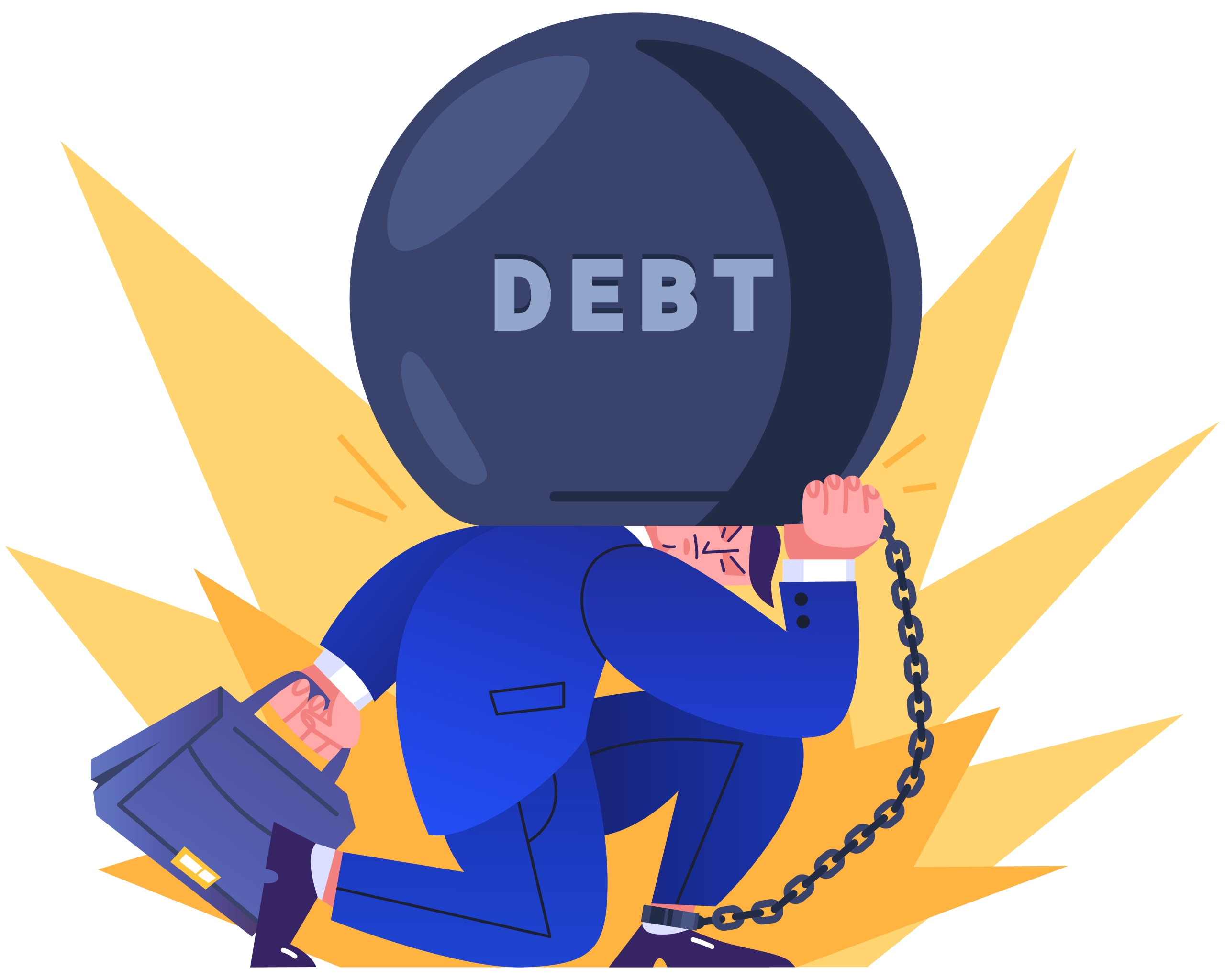
Deciding to pursue debt relief is a big step — one that comes with real consequences, meaningful benefits, and a fair amount of complexity. Yet many business owners walk into the process without a clear picture of what it actually involves, what it will cost them, or what the realistic outcomes look like.
In a city like Washington, D.C. — where small businesses operate in a high-cost environment shaped by federal policy, shifting government contracts, and one of the most competitive commercial real estate markets in the country — financial pressure on business owners is rarely simple. The debt relief landscape is equally layered.
Before you take any formal steps, here are seven things every business owner should genuinely understand about the debt relief process — the kind of grounded, honest perspective that saves you from costly surprises.
1. Not All Debt Relief Options Are the Same
“Debt relief” is an umbrella term that covers several very different approaches — and they don’t all lead to the same place. Debt consolidation merges multiple obligations into a single loan, usually at a lower interest rate. Debt settlement involves negotiating with creditors to accept less than the full amount owed. A structured repayment plan restructures the timeline without reducing the principal. Bankruptcy, at the far end of the spectrum, provides a legal discharge of qualifying debts.
Each option has different eligibility criteria, credit implications, timelines, and costs. What works for one business may be entirely wrong for another — even in a similar financial position. Understanding this range upfront prevents you from pursuing a path that doesn’t fit your actual situation.
The first conversation with any professional should help you identify which category you actually belong in — not push you toward a predetermined product.
2. Your Credit Will Be Affected — Plan for It
Most forms of business debt relief carry some credit impact. Settlement programs typically require accounts to go past due before negotiations begin — which shows up on credit reports. Consolidation loans affect your utilisation ratio. Bankruptcy, depending on the type, remains on a credit profile for seven to ten years.
This doesn’t mean debt relief is the wrong choice. For many businesses, the short-term credit hit is a reasonable trade for the long-term stability that comes from resolving unmanageable debt. But it does mean you should know what’s coming — so you can plan around it rather than be surprised by it.
Questions worth asking before you start:
- Will I need business financing in the next 12 to 24 months?
- Do any key contracts or leases depend on a minimum credit rating?
- How long will recovery take after the program ends?
3. Timing Changes What’s Possible
The window of available options narrows as a debt situation ages. Early in a financial difficulty — when accounts are still current but cash flow is clearly unsustainable — a business has considerably more negotiating leverage than it does six months later when accounts are in collections and legal action is looming.
Creditors are generally more willing to negotiate modified terms before they’ve classified a debt as a loss. Once an account has been written off and sold to a collections agency, the flexibility shrinks and the conversation becomes more adversarial.
Acting earlier doesn’t mean panic — it means preserving options. A proactive conversation with a specialist when the situation is still developing is almost always more productive than a reactive one after it has deteriorated.
4. Secured and Unsecured Debt Behave Differently
This distinction matters enormously and is frequently misunderstood. Unsecured debts — credit cards, lines of credit, supplier invoices — have no collateral attached and are generally more negotiable. Secured debts — mortgages, vehicle loans, equipment financing — are backed by a physical asset, which changes both the risk and the leverage in any negotiation.
Attempting to include secured debts in a settlement program without understanding the implications can result in asset repossession or foreclosure. Any debt relief strategy needs to be structured around this distinction from the outset — with a clear assessment of which debts can be negotiated and which carry collateral risk.
A qualified professional will categorise your obligations before recommending anything — this is a foundational step, not a formality.
5. Who You Work With Matters As Much As the Plan
The debt relief industry is not uniformly regulated, and not every company offering these services operates with the same standards. Some charge high upfront fees before delivering any results. Others use aggressive sales tactics that push businesses into programs that don’t fit. A few simply take fees and produce nothing of value.
Business owners in the capital region researching their options and looking into debt relief Washington, District of Columbia services should prioritise providers who are transparent about fees, accredited through recognised industry bodies, and willing to explain the full process before any agreement is signed.
Firms such as US National Credit Solutions operate with clear disclosures and works to match businesses with programs suited to their actual financial profile — not the most profitable option for the firm.
6. The Numbers Need to Be Fully Honest
Debt relief works best when it’s built on accurate, complete financial information. That means a full accounting of every obligation — not just the ones keeping you up at night. Business owners sometimes understate what they owe, omit debts they expect to resolve independently, or overestimate incoming revenue. Any of these gaps can result in a plan that looks workable on paper but fails in practice.
Before your first consultation, gather the following:
- A complete list of all business debts with current balances and interest rates
- Three to six months of business bank statements
- A realistic monthly cash flow summary — income and all expenses
- Details of any personal guarantees tied to business debt
Going in with complete information isn’t just helpful — it’s what makes the difference between a plan that holds and one that unravels after the first unexpected expense.
7. Relief Is a Starting Point, Not a Finish Line
Completing a debt relief program is a genuine achievement — but it doesn’t automatically resolve the conditions that created the debt in the first place. Without addressing the underlying causes — whether that’s an unsustainable pricing model, high overhead, poor receivables management, or seasonal cash flow gaps — the same pressures can resurface.
According to the Federal Deposit Insurance Corporation (FDIC), businesses that pair debt resolution with basic financial management improvements — including cash flow planning and disciplined expense tracking — are significantly more likely to maintain financial stability in the years following a relief program.
The most valuable debt relief programs don’t just negotiate balances — they leave you with a clearer understanding of your finances and a realistic plan for keeping them that way going forward.
Conclusion
Debt relief done well is a powerful tool. It can reduce what you owe, restructure impossible payment terms, stop creditor pressure, and give a struggling business the breathing room it needs to recover. But it works best when you enter the process with clear expectations, honest numbers, and the right professional in your corner.
The seven points above aren’t meant to discourage anyone from seeking help — quite the opposite. They’re meant to make sure that when you do take that step, you take it with your eyes open and your position well prepared.
Understanding the process is the first act of taking back control of it.








 Business Programs

Leave a Reply
Want to join the discussion?Feel free to contribute!