 A VETERAN OWNED SMALL BUSINESS |

How to Evaluate a Commercial Cleaning Service: Accreditation, Insurance, and Security Practices
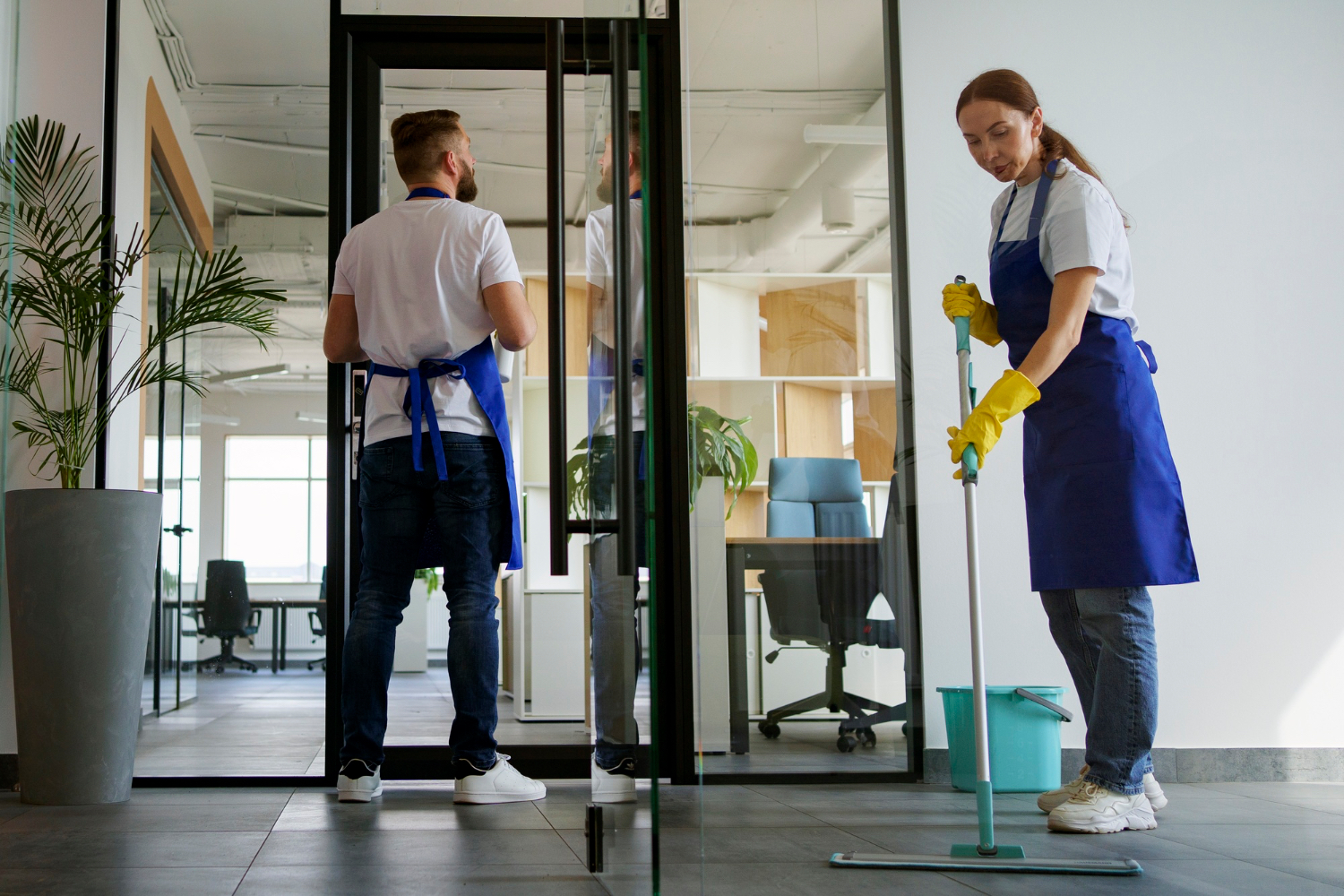
What should you check before trusting a cleaning company with access to your workplace? Beyond comparing quotes, businesses need to know whether a provider has appropriate insurance, trained staff and reliable security procedures. This matters particularly in Perth and across Western Australia, where commercial cleaners may enter offices after hours and work around confidential documents, equipment and restricted areas.
A professional appearance and a competitive price alone cannot guarantee that a contractor will handle these responsibilities properly. Asking a few straightforward questions about accreditation, insurance coverage, staff screening and key management can help you assess a provider before signing a contract. This guide explains what to verify and which questions can help you choose a commercial cleaning contractor with greater confidence.
Start With What Your Premises Need
Before you contact any provider, write down what you want cleaned and when. An open-plan office cleaned after hours is a different job from a medical clinic, a strata building or a showroom with glass and carpet.
Note the size of the site, how often it needs cleaning, whether you need extras such as windows, carpets or washroom supplies, and any areas that hold sensitive material. A clear scope makes quotes comparable and shows which risks matter most. It also helps a good provider ask smart questions in return, which is a sign they understand your site.
Accreditation: What to Ask For
Accreditation shows that a business has met a recognised standard, but only if you can verify it. A logo on a website is not proof. Ask for specifics:
- The name of the accreditation and the body that issued it
- The certificate or registration number, so you can check it
- The date it was issued and when it expires
- What it covers: safety management, quality, environmental practices or all three
- Whether it applies to the team servicing your site, not just to the head office
Safety-related accreditation matters most, because it shows how a contractor manages risk on your premises. If a provider cannot give clear answers, treat that as useful information in itself.
Insurance: Proof, Not Promises
Insurance protects you when something goes wrong, such as damaged equipment, a slip on a wet floor or an injured cleaner. Two types matter most: public liability and workers’ compensation. Ask for a certificate of currency for each, and check the cover amount, the dates and the insurer.
The scale of workplace injury shows why this matters. Safe Work Australia reported 146,700 serious workers’ compensation claims in 2023–24, each involving at least one week of lost working time. Keep the limits in mind: the figure covers all industries, not cleaning specifically, it counts claims rather than businesses and it is a national total for that year. It shows that injuries are common enough to plan for, not how likely one is in a particular building.
Security Practices and Staff Screening
Cleaners often work alone, after hours, in places where valuables and information sit in plain view. So ask how staff are screened and how access is controlled. Useful questions include:
- Are staff police-checked before they start, and are the checks current?
- How are keys, swipe cards and alarm codes issued, tracked and returned?
- Who is on site during a clean, and who supervises them?
- What happens if a key is lost or an alarm is triggered?
- How are staff trained on your building’s security rules?
Clear, specific answers to these questions are a good sign, while vague ones are worth a follow-up.
Some providers state their practices openly. For example, Broadway Commercial Cleaning Service explains that staff must provide a current police clearance certificate before starting, that they receive onsite training on building security and site systems, that its team is CM3 OHS/WHS accredited and that it carries public liability and workers’ compensation insurance. As with any provider, ask to see the paperwork and check it.
Questions About the Service Itself
Once the basics are covered, look at how the work is done. Ask which products and equipment are used, especially if your staff have allergies or you have a sensitive floor type. Find out how quality is checked, how complaints are handled and who your main contact is.
Contracts deserve a close read. Check the notice period, whether there is a lock-in term and how price changes are handled. A flexible arrangement is easier to leave if the service slips. Also confirm who is responsible if a problem occurs outside agreed hours, and how quickly the provider responds to urgent requests such as a spill before a meeting. Ask for references from similar businesses, then call at least one of them.
A Simple Way to Compare Providers
Put what you learn into a side-by-side check:
- Request the same scope from each provider so quotes match.
- Collect certificates for accreditation and insurance and verify them.
- Ask the security questions and note how clearly each provider answers.
- Call a reference and ask about reliability and communication.
- Start with a trial period if you can, and inspect the first few cleans.
Scoring each provider this way keeps a low price from steering the decision on its own.
Conclusion
Choosing a commercial cleaner is about trust as much as cleanliness. Define your needs first, verify accreditation with certificate details, ask for current insurance and learn how staff are screened and how keys and alarms are managed. Read contracts carefully, check references and compare providers on the same scope. A provider who answers questions clearly and shows you documents without fuss is usually the one who will look after your premises just as carefully once the lights are off.





 Business Programs

Leave a Reply
Want to join the discussion?Feel free to contribute!