 A VETERAN OWNED SMALL BUSINESS |
Benefits of Flexible Office Spaces for Modern Professionals
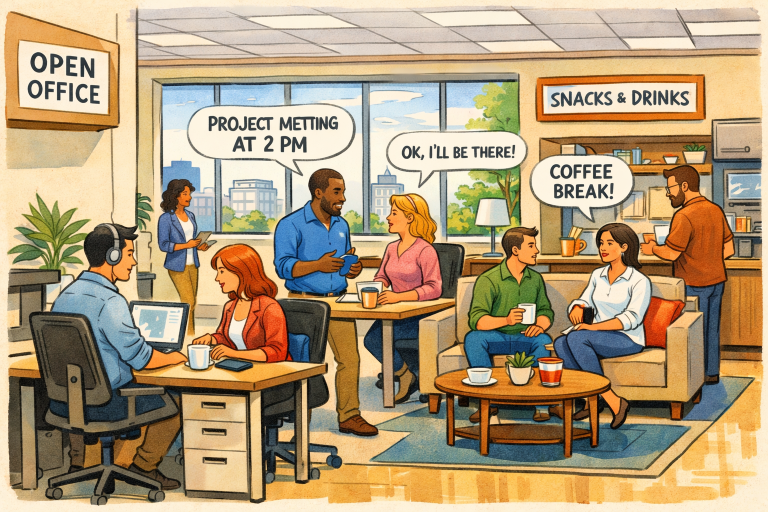
Today’s business landscape is characterized by rapid change, unpredictable growth cycles, and the need for operational agility. As a result, professionals and organizations increasingly turn to flexible office solutions to keep pace with evolving demands. With adaptable workspaces, businesses can benefit from modern amenities and dynamic environments that promote both productivity and well-being. For organizations seeking office space for rent Phoenix, flexible options represent a smart, scalable approach to real estate without being tied to conventional long-term leases.
Flexible office spaces are not only cost-effective but also position companies for success by placing them in thriving business centers and surrounding them with a community of like-minded professionals. These environments are designed for collaboration, resource efficiency, and improved work-life balance, which is especially attractive to modern professionals who value sustainability and community over rigid traditional offices.
The demand for adaptable workspaces is also a direct reflection of the way businesses now view their real estate portfolios as strategic assets. Rather than being stuck in inflexible office leases that may not suit their needs as they scale or contract, companies can now select from diverse options, including coworking spaces, private suites, or scalable dedicated offices.
With trends such as remote work and hybrid models on the rise, organizations are rethinking how and where work gets done. Flexible office environments embrace this shift, offering spaces that reflect and support new ways of thinking, working, and growing.
Cost-Effectiveness
For both new and established businesses, keeping operational costs manageable is essential to long-term success. Flexible office spaces eliminate large capital outlays for furniture, equipment, and infrastructure, offering professional, turnkey environments at a fraction of traditional real estate costs. Most flexible office providers use straightforward, pay-as-you-go or monthly contracts. This removes the financial burden of unused space, utilities, and maintenance fees, allowing companies to align real estate spending with business growth more effectively. According to Forbes, the flexibility in lease duration and amenities is a key driver for startups and large corporations seeking optimal resource allocation.
Enhanced Employee Productivity and Well-Being
Modern professionals expect more than just a desk and internet connection. Thoughtfully designed flexible offices feature open layouts, breakout zones, quiet rooms, and state-of-the-art meeting spaces, all tailored to different working styles. Many spaces also include on-site amenities such as ergonomic furnishings, wellness rooms, gyms, and expansive windows for natural light. These features improve employee morale, foster creative thinking, and boost overall productivity. The World Economic Forum points out that contemporary workspace design significantly shapes employee happiness, leading to better retention and higher engagement.
Sustainability at the Core
With growing awareness around environmental issues, many flexible office providers are integrating green initiatives and resource-conscious designs. These shared workspaces maximize energy use by reducing wasted square footage per person and sharing core building systems like lighting and air conditioning. Some locations use environmentally friendly materials or offer recycling and composting programs, helping organizations lower their carbon footprint. According to the New York Times, these measures are increasingly important as businesses seek to align with global sustainability goals and consumer expectations.
Access to Prime Business Locations
Traditional office leases in sought-after business districts can be prohibitively expensive and difficult to obtain, especially for small- to medium-sized enterprises. Flexible office spaces level the playing field by providing access to prestigious locations without the high upfront costs or extended commitments. Having an address in a prime area not only enhances brand image but also attracts talent and facilitates easier client access. Urban professionals value proximity to amenities, dining, and public transit, all of which are common features of centralized office hubs.
Built-In Networking and Collaboration Opportunities
Unlike conventional offices, flexible workspaces bring together diverse businesses, freelancers, and entrepreneurs into a single vibrant community. Daily interactions over coffee, shared lunches, or organized networking events create plenty of opportunities for knowledge sharing and collaboration. Many flexible office providers host industry seminars, skill-building workshops, and community mixers that break down barriers and spark partnerships. This built-in ecosystem nurtures both professional development and business growth, making it easier for members to innovate and thrive.
Conclusion
Incorporating flexible office solutions is increasingly viewed as a strategic move for modern professionals and organizations navigating an uncertain economic and professional landscape. These spaces deliver cost savings, encourage wellness, promote sustainable operations, and foster authentic connection through community. As the workplace continues to evolve, flexible office spaces are likely to remain a cornerstone of the modern professional experience, empowering growth, efficiency, and innovation for years to come.






 Business Programs

Leave a Reply
Want to join the discussion?Feel free to contribute!