 A VETERAN OWNED SMALL BUSINESS |
Why Smart Landlords Schedule Regular Asphalt Paving Maintenance Each Year
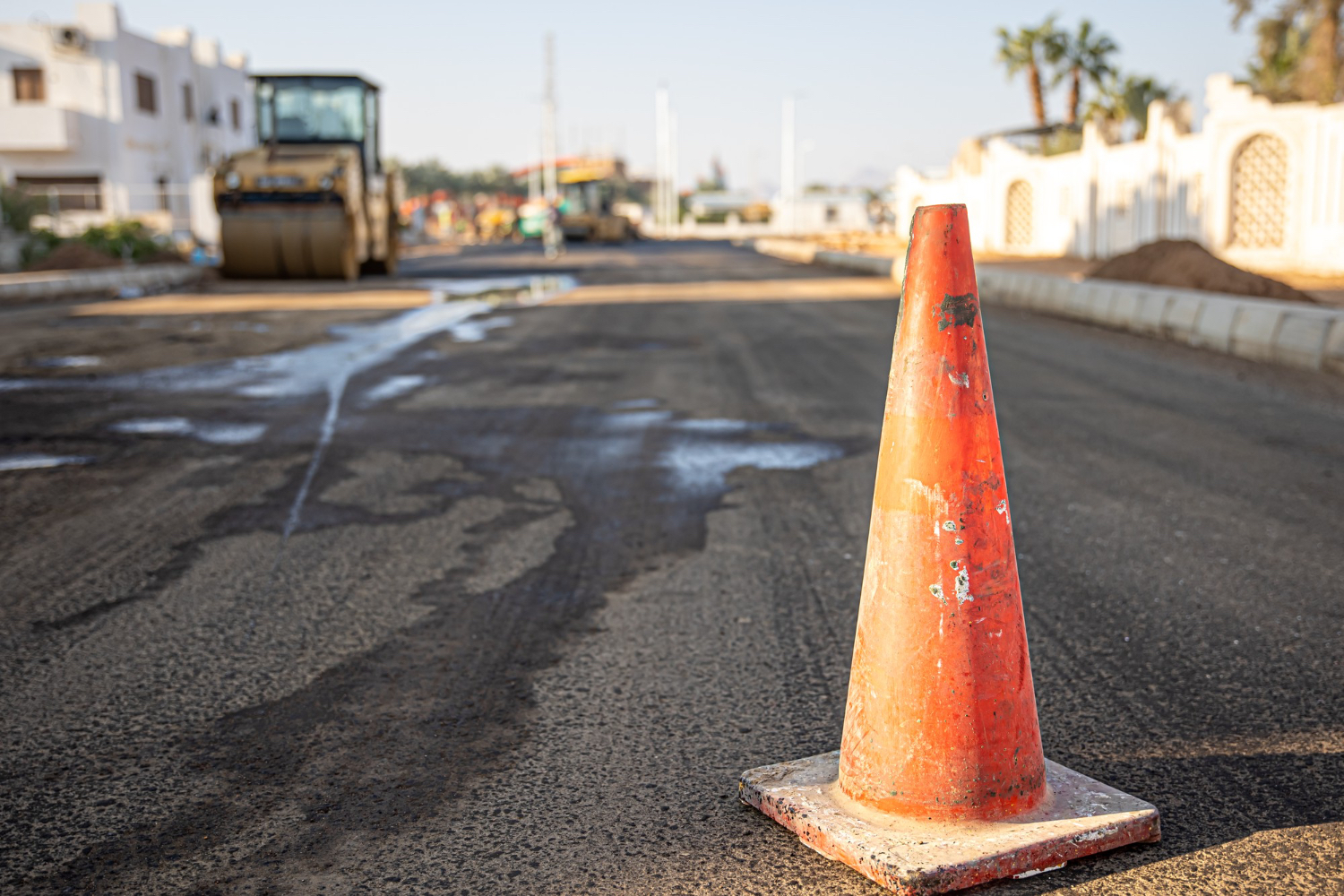
Parking lots and driveways rarely make it to the top of a landlord’s priority list until a tenant trips on a pothole or a truck gets stuck in a sunken patch of asphalt. Yet the pavement surrounding a rental property quietly affects everything from curb appeal to liability exposure, often more than landlords realize until something goes wrong. Smart landlords have caught on to this, and it shows in how consistently they schedule maintenance rather than waiting for visible damage.
Here are five real reasons regular asphalt upkeep has become a yearly habit for landlords who think long-term, rather than something addressed only when a tenant complains.
1. It Costs Far Less Than Waiting
Cracks and small potholes might look like a minor cosmetic issue, but ignoring them almost always leads to bigger, pricier repairs down the road. Water seeps into small cracks, freezes and expands in colder months, and gradually turns a simple fix into a full section replacement that costs many times more than early intervention would have.
According to the Federal Highway Administration, every dollar spent on preventive pavement maintenance can save between six and ten dollars in future rehabilitation costs. That kind of return is hard to ignore for landlords managing tight operating budgets across multiple properties, where every dollar saved on one lot can be redirected toward other improvements.
2. It Protects the Property From Liability Issues
A cracked or uneven parking lot is not just an eyesore, it is a genuine tripping hazard that can turn into a costly liability claim. Tenants, delivery drivers, and visitors all cross that pavement daily, and a single bad fall can lead to medical bills and legal headaches that far outweigh the cost of routine upkeep.
A few liability risks that regular maintenance helps avoid:
- Trip-and-fall injuries from potholes or uneven surfaces
- Vehicle damage claims from deep cracks or sunken areas
- Standing water that creates slippery conditions in cold weather
Insurance carriers also tend to take note of properties with a documented maintenance history, which can factor into premiums and claims processing if an incident ever does occur.
3. It Extends the Life of the Entire Lot
Asphalt naturally deteriorates from sun exposure, temperature swings, and daily traffic, but routine sealing and crack filling significantly slow that process down. A well-maintained lot can last decades longer than one left to fend for itself against the elements.
Landlords who invest in Professional Asphalt paving for commercial properties often find that consistent, scheduled upkeep costs far less over a property’s lifetime than repeated emergency patch jobs.
Woodbine Paving frequently points out that a proactive maintenance schedule, rather than reactive repairs, is what actually separates a lot that lasts fifteen years from one that needs full replacement in half that time.
4. It Keeps Tenants and Visitors Happy
First impressions matter, and a cracked, patchy parking lot sends a message about how well a property is managed overall, even if the units themselves are in great shape. Tenants notice these details, and so do prospective renters walking the property for the first time, often before they have even stepped inside a unit.
Curb appeal extends well beyond landscaping and paint. A smooth, well-marked parking area signals attention to detail that tenants tend to associate with responsive, reliable management, which can genuinely affect retention over time and reduce turnover-related costs.
5. It Protects Property Value Long-Term
Pavement condition factors directly into a commercial property’s overall valuation, especially for properties that will eventually be refinanced or sold. Deferred maintenance on parking lots and driveways is exactly the kind of red flag that shows up during property inspections and can complicate a sale down the road.
Staying ahead of this with annual inspections and scheduled maintenance protects that value consistently, rather than requiring a large, urgent investment right before a property changes hands. Buyers and lenders alike tend to view a well-maintained lot as a sign that the rest of the property has likely received similar care.
Building It Into the Annual Budget
The landlords who stay ahead of pavement problems tend to treat upkeep the same way they treat roof inspections or HVAC servicing: a predictable, scheduled line item rather than a surprise expense.
A simple annual rhythm usually looks like this:
- A walkthrough inspection each spring, after winter freeze-thaw damage shows itself
- Crack sealing and patching handled before small issues spread
- Sealcoating on a multi-year cycle depending on traffic volume
Spreading this cost across a yearly budget makes it far easier to absorb than a sudden five-figure repaving bill.
Final Thoughts
Asphalt maintenance rarely feels urgent until it suddenly is, and by then, the cost has usually multiplied several times over. Landlords who treat pavement upkeep as a yearly line item, rather than an occasional emergency expense, tend to protect both their tenants and their bottom line far more effectively over the long run.
It is one of the least glamorous parts of managing a property, and also one of the easiest places to quietly save money year after year.







 Business Programs

Leave a Reply
Want to join the discussion?Feel free to contribute!