 A VETERAN OWNED SMALL BUSINESS |
How the Right Paint Can Protect Your Commercial Property
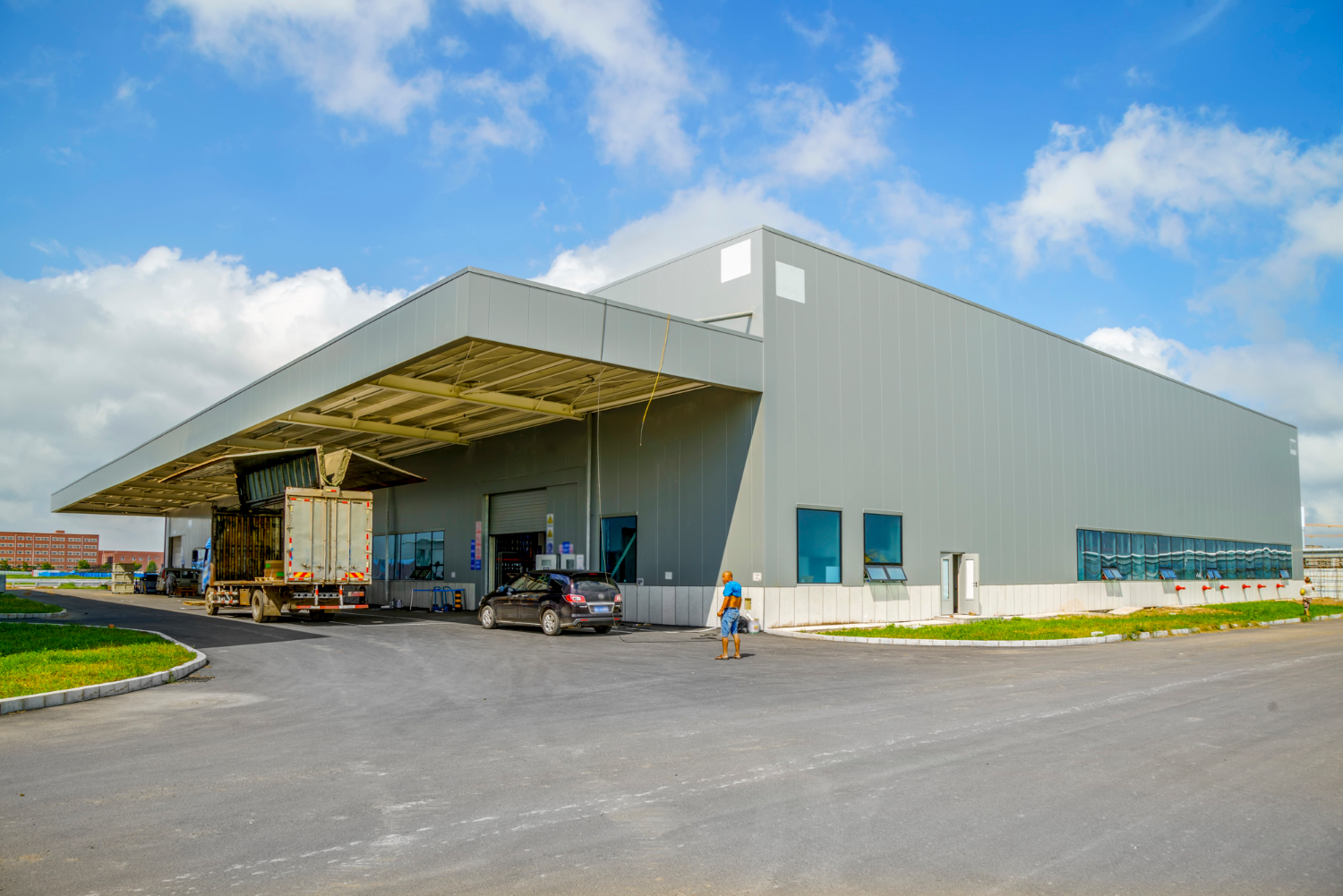
Drive past any older industrial park in the Bay Area and you’ll see the two futures a building can have. On one side, a warehouse with chalky, faded walls, rust bleeding from the roll-up doors, and stucco flaking at the corners. Across the street, a building the same age that still looks sharp, with clean lines and metal that hasn’t turned orange. The difference usually isn’t the construction. It’s whether anyone treated the paint as maintenance rather than decoration.
For property managers and business owners, paint tends to sit at the bottom of the capital budget, something to refresh when it starts looking tired. That’s a costly way to think about it. The right coating system, applied correctly and maintained on a schedule, is one of the cheapest forms of protection a commercial building can get. Here’s why, and how to approach it strategically.
Corrosion and Weathering Are Expensive
The scale of damage from unprotected surfaces is hard to overstate. According to AMPP, the Association for Materials Protection and Performance, a U.S. federal study estimated the annual cost of corrosion in the United States at $276 billion, and the organization notes that control programs remain a critical need across industries.
Much of that cost lands on building owners in the form of replaced steel, repaired facades, and premature reroofing. Protective coatings are the first line of defense against all of it.
Paint Is a Barrier, Not Just a Color
A properly specified coating system does several jobs at once:
- Blocks moisture from reaching steel, wood, concrete, and stucco, which prevents rust, rot, and freeze-thaw cracking
- Resists UV radiation, which otherwise breaks down substrates and causes chalking and fading
- Seals hairline cracks in masonry and stucco before water gets in and widens them
- Protects against chemicals and salt, important near the coast or in manufacturing environments
- Reduces mold and mildew with specialized formulations in damp or shaded areas
When any of those barriers fails, the substrate underneath starts degrading, and that’s where the real repair bills begin.
Matching the Coating to the Surface
There’s no single product that works for every part of a commercial building. Selecting the right system for each substrate is where expertise matters:
- Structural and architectural steel typically needs a rust-inhibiting primer under a durable urethane or epoxy topcoat
- Stucco and masonry benefit from elastomeric coatings that stretch with the building and bridge small cracks
- Concrete floors in warehouses and garages hold up best with epoxy or polyaspartic systems that resist abrasion and chemicals
- Metal roofing often calls for reflective coatings that extend roof life and reduce cooling loads
- Interior high-traffic areas need scrubbable, low-VOC finishes that stand up to cleaning
Using an interior-grade paint on an exterior wall, or a standard latex over bare steel, is a common shortcut that fails within a couple of years.
Preparation Determines How Long It Lasts
The best coating in the world will peel if it’s applied over dirt, chalk, rust, or loose paint. Surface preparation, including pressure washing, scraping, sanding, rust removal, priming, and repairing damaged areas, typically accounts for more of a quality job’s labor than the painting itself. Cutting corners here is the most frequent reason commercial paint jobs fail early.
Choosing a Contractor Who Thinks in Terms of Protection
The difference between a cosmetic repaint and a protective one usually comes down to who does the work. A contractor experienced in commercial projects will inspect the substrate, recommend a system suited to the environment and the building’s use, and be candid about prep requirements and realistic lifespan.
Businesses evaluating commercial painting services should ask how the contractor approaches surface assessment, which manufacturer systems they specify for different substrates, and how they schedule work around occupied buildings. Bay Valley Painting approaches commercial projects this way, treating the coating as a maintenance asset and planning the job around the property’s exposure, traffic, and long-term upkeep rather than simply matching a color and moving on. That mindset is what turns a paint job into an investment with a measurable return.
Other things to confirm before hiring:
- Proper licensing, insurance, and safety training for lifts and elevated work
- Experience with your building type, whether office, retail, industrial, or multi-family
- A written scope covering prep, products, number of coats, and warranty
- References from similar commercial projects
- A plan for minimizing disruption to tenants and operations
Taking the time to evaluate these details can help ensure the coating system is designed to protect the property, not simply improve its appearance.
Building a Maintenance Schedule
Protective coatings don’t last forever, and waiting until they visibly fail means the substrate has already been exposed. A sensible approach:
- Inspect exterior coatings annually, paying attention to south- and west-facing walls, rooflines, and metal components
- Touch up small failures promptly rather than letting them spread
- Plan full exterior recoats on a cycle appropriate to the system and exposure, often every 7 to 10 years for quality exterior work
- Recoat high-wear interior areas and floors more frequently based on traffic
Budgeting for this on a predictable cycle is far cheaper than emergency repairs after water intrusion or structural corrosion.
The Added Benefits
Beyond protection, a well-maintained coating system delivers returns that show up elsewhere on the balance sheet:
- Higher tenant satisfaction and retention
- Stronger curb appeal for customers and prospective tenants
- Lower energy costs with reflective roof and wall coatings
- Compliance with lease obligations and local property standards
- Higher appraised value when it’s time to refinance or sell
Ultimately, a well-maintained coating system is more than a protective measure. It can support tenant satisfaction, reduce ongoing operating costs, enhance the property’s appearance, and help protect its long-term value.
Conclusion
Paint is one of the few building investments that protects the asset, improves its appearance, and reduces future costs all at once, provided it’s chosen and applied with protection in mind. The right coating system, matched to each surface, applied over properly prepared substrates, and maintained on a schedule, keeps moisture, UV, and corrosion from turning small problems into expensive ones.
Treat it as maintenance rather than decoration, work with a contractor who understands the difference, and your building will be the one across the street that still looks sharp twenty years from now.










 Business Programs

Leave a Reply
Want to join the discussion?Feel free to contribute!