 A VETERAN OWNED SMALL BUSINESS |
Common Fire Hazards Found in Commercial Buildings: A Practical 2026 Prevention Checklist
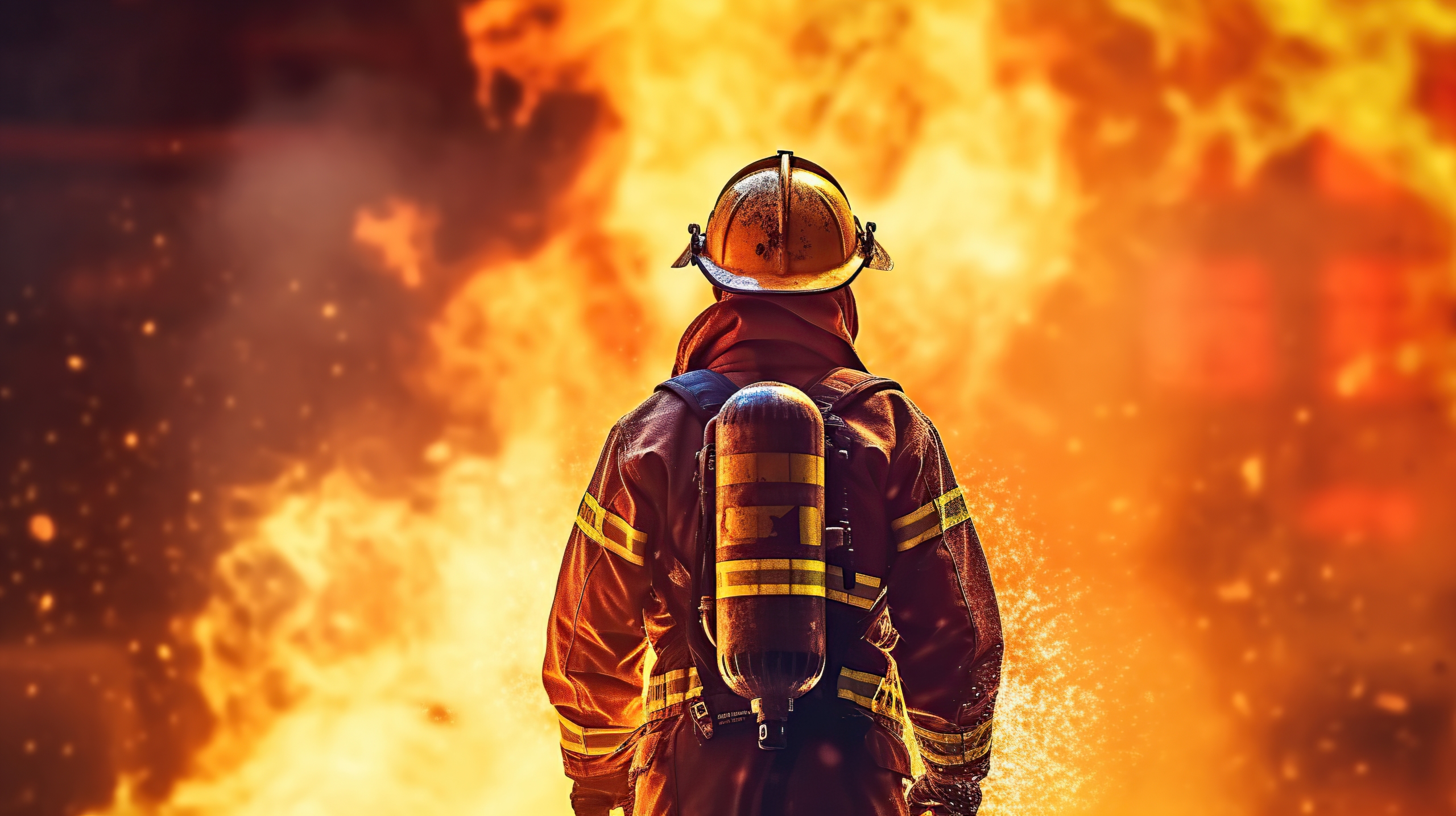
Commercial buildings bring people, electrical equipment, stored materials, heat sources, and changing business activities together in one place. A small ignition source can become a major emergency when fuel is nearby, exits are blocked, or protective systems are not ready to operate. Working with qualified providers of fire sprinklers & fire protection services can help building owners align their fire protection approach with the way a property is actually used.
Risk is not fixed. A former office suite may become a retail space, workshop, restaurant, or storage area, each with different hazards. New machinery, tenant improvements, larger inventory deliveries, and changes to building layout should all trigger a fresh review of fire prevention measures.
Why Commercial Buildings Face Complex Fire Risks
Fire needs an ignition source, fuel, and oxygen. Commercial spaces often contain all three. Electrical faults, hot equipment, open flames, flammable vapors, cardboard, paper goods, plastics, fabrics, and accumulated dust can combine quickly. Prevention starts by identifying what could ignite, what could burn, and what might slow evacuation or allow flames to spread.
Electrical Faults and Overloaded Circuits
Electrical issues are among the most common hazards in commercial properties. Damaged cords, loose connections, aging panels, overloaded outlets, and power strips connected to other power strips can generate dangerous heat. Repeated breaker trips, buzzing, flickering lights, burning odors, and warm outlets should be treated as warning signs, not inconveniences.
- Keep electrical panels clear, labeled, and easily accessible.
- Replace frayed, cracked, pinched, or hot-to-the-touch cords immediately.
- Avoid daisy-chaining extension cords or power strips.
- Use permanent wiring when equipment has become a long-term load.
- Schedule qualified electrical inspections based on the building’s age and power demands.
Combustible Storage and Poor Housekeeping
Cardboard, packaging, paper files, textiles, plastics, wood products, and trash can turn a minor fire into a fast-spreading event. Storage rooms, loading docks, mechanical rooms, and areas behind equipment often receive less attention than public spaces, even though they may collect the most combustible material.
1. Remove waste, empty boxes, and unused materials on a set schedule.
2. Keep combustibles away from heaters, cooking appliances, and electrical equipment.
3. Maintain clear space around sprinklers, extinguishers, panels, and exits.
4. Include low-traffic rooms in every safety walk-through.
Flammable Liquids, Gases, and Chemicals
Solvents, fuels, aerosols, paints, cleaning products, propane cylinders, and certain adhesives can release vapors that ignite easily. Store these products in approved containers or cabinets when required, keep labels readable, separate incompatible chemicals, and provide ventilation where vapors could collect. Employees should understand the hazards before handling, transferring, or disposing of these materials.
Kitchen Equipment and Grease Buildup
Commercial kitchens, cafeterias, food preparation rooms, and even busy break rooms can present elevated fire risk. Grease deposits in cooking and exhaust systems, unattended appliances, hot surfaces, and open flames require consistent controls. Clean cooking surfaces, filters, and exhaust components on an appropriate schedule; keep paper products away from burners and fryers; and train employees not to use water on a grease fire.
Heating Equipment, HVAC Systems, and Hot Work
Portable heaters, boilers, furnaces, heat-producing machinery, welding, cutting, and grinding all introduce ignition sources. Maintain clearance around heaters, keep vents and equipment free of dust, and inspect machinery before use. Hot work should follow a written process that addresses permits, combustible removal, extinguisher availability, and a fire watch when required.
Blocked Exits, Fire Doors, and Unsafe Building Layouts
Prevention also depends on people being able to leave safely. Deliveries, furniture, seasonal displays, inventory, and locked or damaged doors can delay evacuation when smoke reduces visibility. Exit routes should remain clear at all times, fire doors should not be wedged open unless designed to release automatically, and exit signs and emergency lights should remain visible. OSHA’s exit routes and emergency planning guidance is a useful reference when reviewing workplace evacuation arrangements.
Fire Alarms, Sprinklers, and Extinguishers
Fire protection equipment only works when it is correctly selected, accessible, and maintained. Common problems include blocked sprinkler heads, obstructed extinguishers, damaged alarm devices, missing inspection records, and low extinguisher pressure. Routine testing, service documentation, and prompt repairs help ensure systems are ready when needed. Equipment should also be reassessed when a building’s occupancy, storage, or processes change.
Human Error and Weak Staff Training
Employees may unintentionally create hazards by using unsafe cords, leaving cooking equipment unattended, storing materials near heat, or blocking exits during deliveries. The goal is not blame. It is to make safe behavior simple and repeatable.
1. Give each new employee a basic fire safety briefing.
2. Review evacuation routes, alarm procedures, and assembly areas.
3. Explain how to report hazards and near-misses.
4. Include visitors, contractors, and workers with mobility needs in drills.
5. Refresh training after renovations, new equipment, or an incident.
Fire Risks in Offices, Warehouses, Retail Spaces, and Mixed-Use Buildings
Offices often face overloaded electronics, kitchen appliances, and paper storage. Warehouses may have high-piled inventory, charging stations, packaging, and changing stock. Retail spaces must manage crowded aisles, displays, and public access. Mixed-use buildings may contain multiple occupancy types under one roof. For example, a warehouse that adds aerosols, batteries, plastics, or flammable liquids should reassess storage, detection, suppression, and evacuation procedures.
How to Complete a Commercial Fire Safety Walk-Through
1. Walk through every occupied and unoccupied area each month.
2. Look for ignition sources, fuel sources, and blocked escape paths.
3. Check kitchens, electrical rooms, loading docks, storage areas, and mechanical spaces.
4. Confirm alarms, sprinklers, extinguishers, exits, and emergency lighting are accessible.
5. Document each issue with a photo, location, responsible person, and due date.
6. Follow up until every corrective action is complete.
When to Review a Building’s Fire Risk Plan
Review the fire risk plan after renovations, tenant turnover, occupancy changes, new equipment, construction work, storage changes, or a near-miss. Repeated complaints about blocked exits, overheating equipment, or poor housekeeping also deserve immediate attention. A current plan should reflect real operating conditions, not simply the building’s original design.
Conclusion
Commercial fire safety depends on small actions completed consistently. Safe electrical use, orderly storage, maintained protection systems, open exits, and trained employees can reduce risk across many property types. A regular walk-through finds problems early, while a formal review keeps the fire safety plan aligned with how the building operates in 2026.
 Business Programs