 A VETERAN OWNED SMALL BUSINESS |
How to Curate an Environment That Inspires Innovation
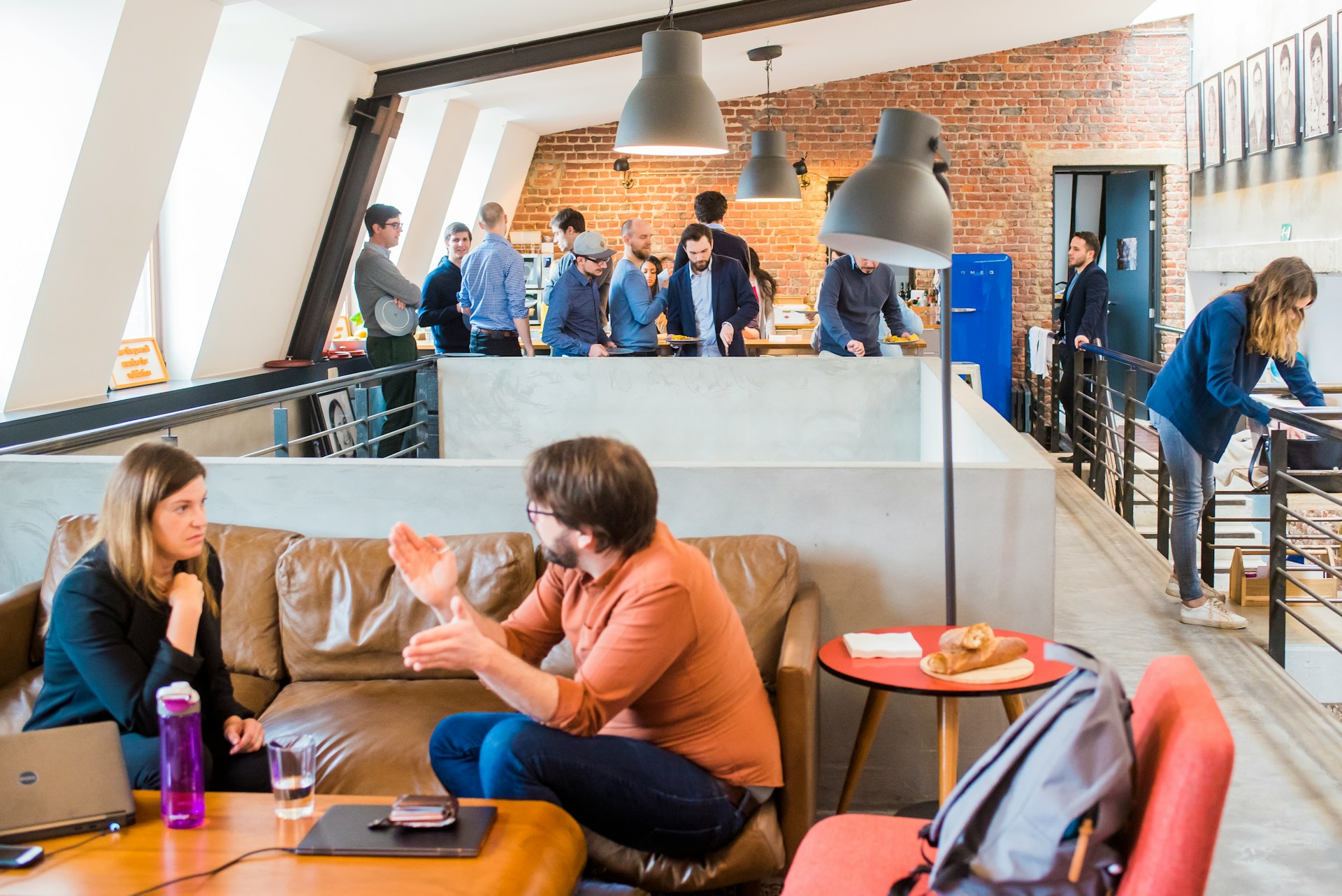
To truly innovate, we need to look beyond scheduled meetings and whiteboards. While brainstorming sessions have their place, groundbreaking ideas rarely pop up on command. Instead, they grow from a culture of continuous creativity, which is heavily influenced by the physical space where your team works every day. Designing a space that inspires isn’t a luxury; it’s a smart investment in your organization’s future.
Beyond Brainstorming Sessions
Innovation isn’t something you can just add to a calendar. It’s a process that often happens quietly at a desk, during a casual chat in the hallway, or while someone stares out a window. Relying only on structured ideation meetings limits creative thinking to specific times, ignoring the fact that inspiration often strikes unexpectedly. Many effective brainstorming techniques can get ideas flowing, but their impact is small if the daily environment stifles the very creativity you’re trying to spark.
An inspiring environment gently nudges people toward new ways of thinking. It offers the psychological safety and mental freedom for team members to explore early ideas without the pressure of a formal meeting. The goal is to create a workplace where creative thought is the usual state, not something that has to be forced.
The Psychology of Space
Our physical surroundings deeply and often subconsciously affect our mood, behavior, and how we think. Research on the psychology of space shows how things like color, light, layout, and noise levels can either drain our mental energy or refresh it. A cluttered, dark, or chaotic office can increase stress and make it hard to focus, stopping innovative thoughts from emerging.
On the flip side, a well-designed space can bring a sense of calm, focus, and openness. Natural light has been shown to improve mood and reduce tiredness. Carefully chosen color palettes can affect energy levels and creativity. Understanding these psychological triggers helps you intentionally design a workspace that doesn’t just house your employees but actively helps them do their best work.
Elements of an Inspiring Office
Creating an innovative environment means more than just picking out stylish furniture. It’s about providing a flexible and supportive ecosystem. Think about adding these key elements:
- Varied Work Zones: Not every task needs the same setting. Offer a mix of spaces, including quiet zones for deep focus, open collaborative areas for team discussions, and comfortable lounges for informal chats. This lets employees pick the environment that best suits what they’re doing at any moment.
- Biophilic Design: Bringing in natural elements like plants, wood textures, and water features can reduce stress and improve well-being. Access to natural light and views of the outdoors connects employees to the world beyond their screens, offering mental breaks that can refresh their perspective.
- Quality Lighting: Lighting, in particular, sets the mood of a room. Harsh fluorescent lights can cause fatigue, while warmer, layered lighting, like that from some of the top luxury timeless brass wall lights, can create a more welcoming and sophisticated atmosphere that encourages deep thinking. Good lighting makes a space feel more human and less institutional.
- Tools for Expression: Make whiteboards, corkboards, and glass walls easily available throughout the office, not just in meeting rooms. This encourages spontaneous drawing and idea sharing, capturing thoughts as they happen.
Leadership in Environmental Design
A leader’s role in shaping an innovative environment goes far beyond approving a budget for a redesign. True environmental design is a leadership function. You need to actively champion the space and the culture it represents. You must model the behaviors you want to see, whether that means using the collaborative lounge for a one-on-one meeting or spending time in a quiet zone for focused work.
Involve your team in the design process. Ask them what they need to do their best work. What frustrates them about the current layout? What would make them feel more energized and creative? This not only ensures the final design is functional but also creates a sense of ownership and shows that their input is valued. An inspiring environment is a living one, and it needs continuous feedback and adaptation led from the top.
Your physical workspace is a powerful way to communicate your company’s values. An environment that prioritizes flexibility, well-being, and collaboration clearly signals that you trust your team and are invested in their success.
 Business Programs