 A VETERAN OWNED SMALL BUSINESS |
7 Best IT Channel Partner Programs That Simplify Multi-Vendor Management and Margins
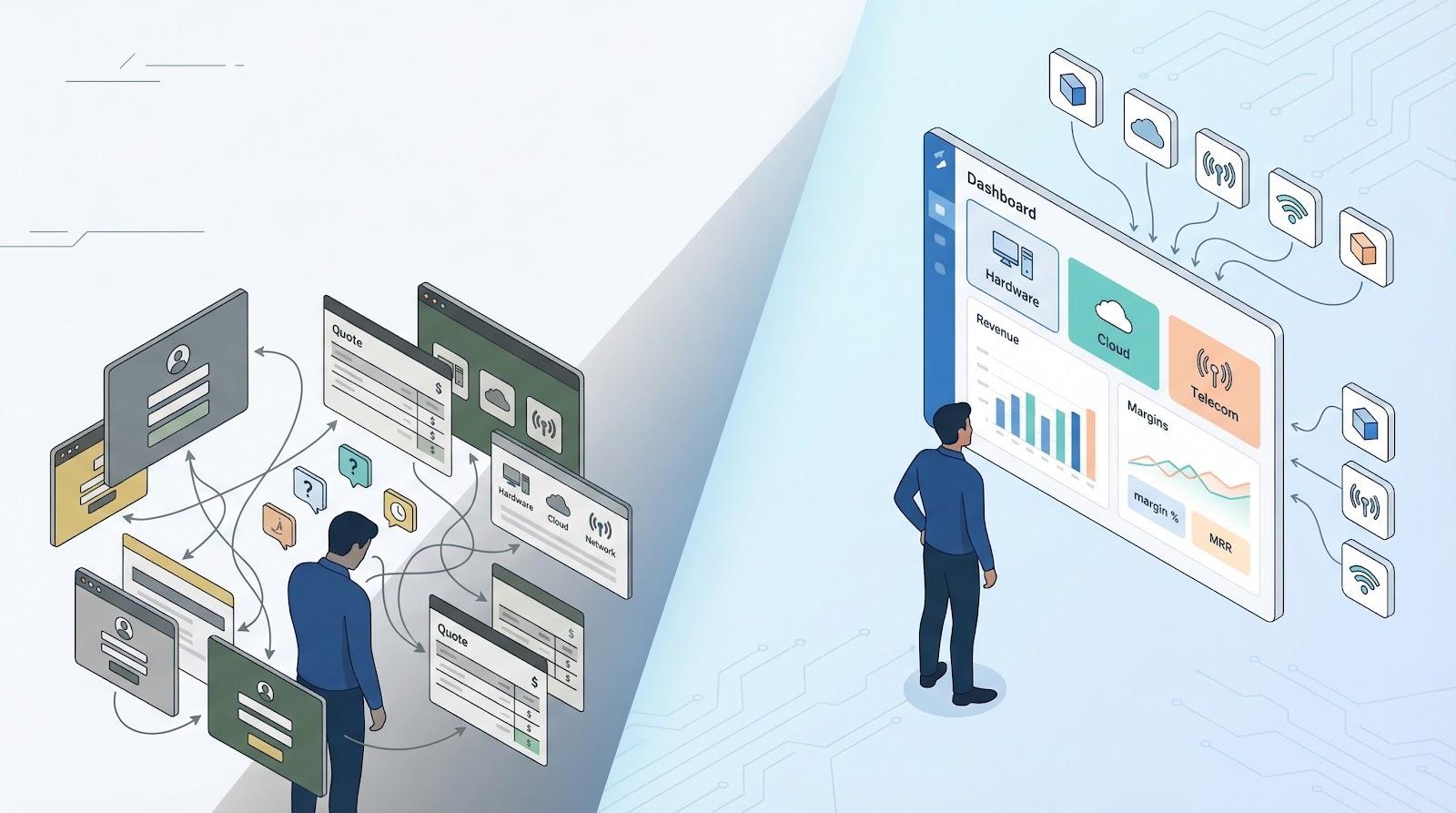
Multi-vendor sprawl is a silent margin killer for MSPs and VARs.
With the global IT distribution market hitting US$463 billion in 2024, the smartest partners now rally behind a handful of powerhouse aggregators that bundle thousands of vendors under one roof. (latest Canalys distribution outlook)
We dug into analyst reports, CRN guides, and partner forums to spotlight the seven channel programs that simplify operations, boost margins, and free you to focus on clients—not portals.
We didn’t pick these seven programs on intuition. We scored them against five factors that shape your profit and daily workload.
First, we weighted margin muscle at 30 percent. Up-front discounts, stackable rebates, and creative perks (think loyalty points you can convert into MDF) fall to the bottom line as pure profit.
Second comes automation tech at 25 percent. A modern portal trims hours of swivel-chair work. Ingram Micro’s Xvantage, for example, uses an AI assistant that surfaces bundles and auto-builds quotes in seconds, according to CRN, proving how next-gen tooling raises the bar.
Portfolio breadth sits at 20 percent. A single marketplace offering thousands of vendors prevents the “ten-portal shuffle” that drains admin time.
Support and training account for 15 percent. Dedicated engineers, peer communities, and on-demand certification paths turn a distributor into part of your team, speeding deal velocity.
Finally, ease of entry rounds out the last 10 percent. Low or zero fees and fast onboarding matter when you’re scaling an SMB practice and can’t tolerate red-tape delays.
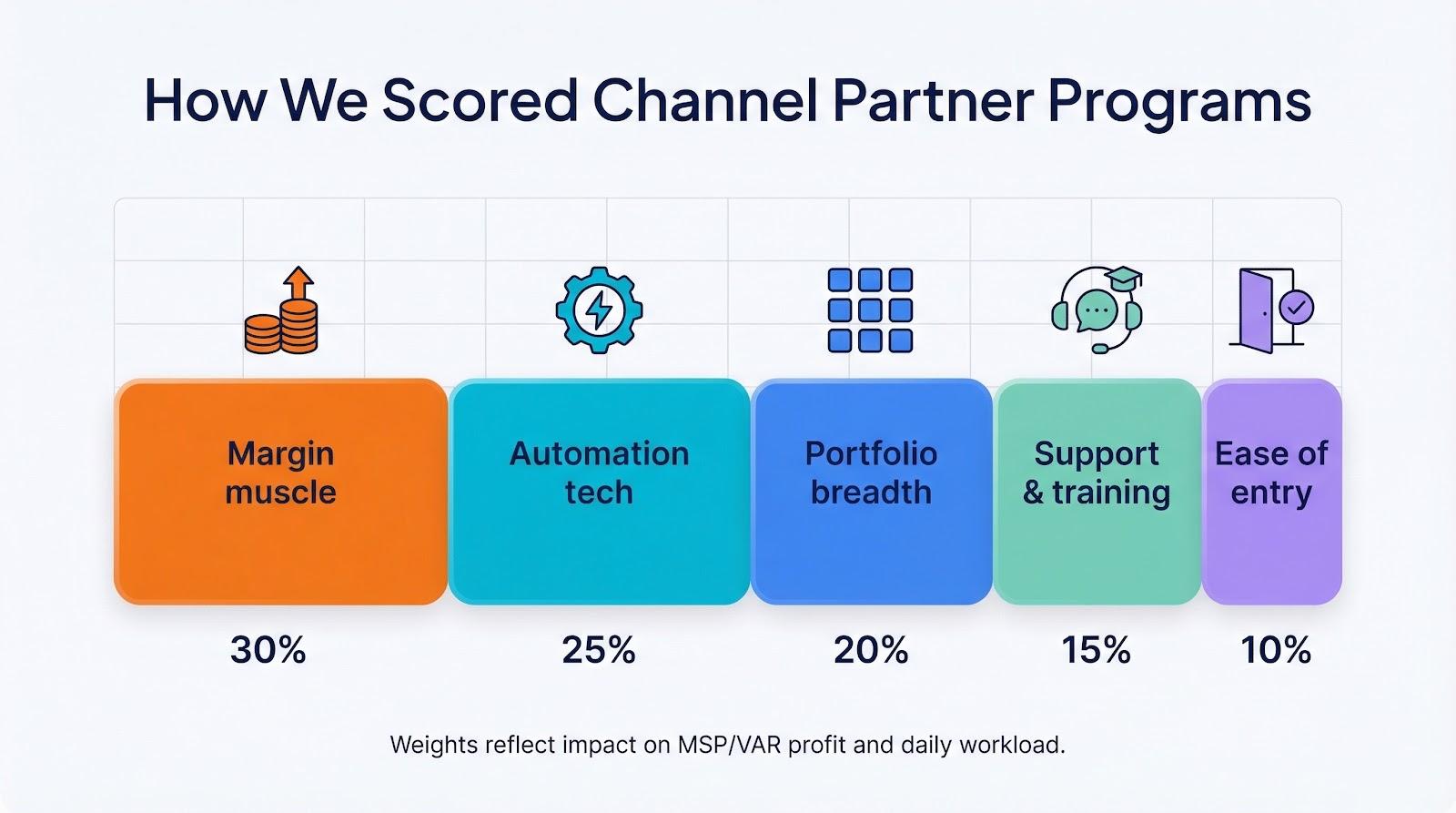
We applied this weighted rubric to 12 leading partner programs, tallied the scores, and cross-checked the findings against community chatter and analyst guides. The seven winners excel on multiple rows of the rubric, giving you a practical shortlist rather than a beauty-pageant ranking.
TD SYNNEX: The One-stop Solutions Aggregator
Picture a single doorway that opens to 2,500 technology vendors, global logistics muscle, and a partner-first culture. That doorway is TD SYNNEX’s channel program.
Formed when Tech Data and SYNNEX combined forces, TD SYNNEX now supports more than 150,000 partners and moves US$80 billion in annual billings. Scale matters, but execution turns bulk into value. The company’s StreamOne platform lets you quote, provision, and renew cloud services alongside hardware on the same invoice. Add EC Express for e-commerce and multi-vendor deals feel almost friction-free.
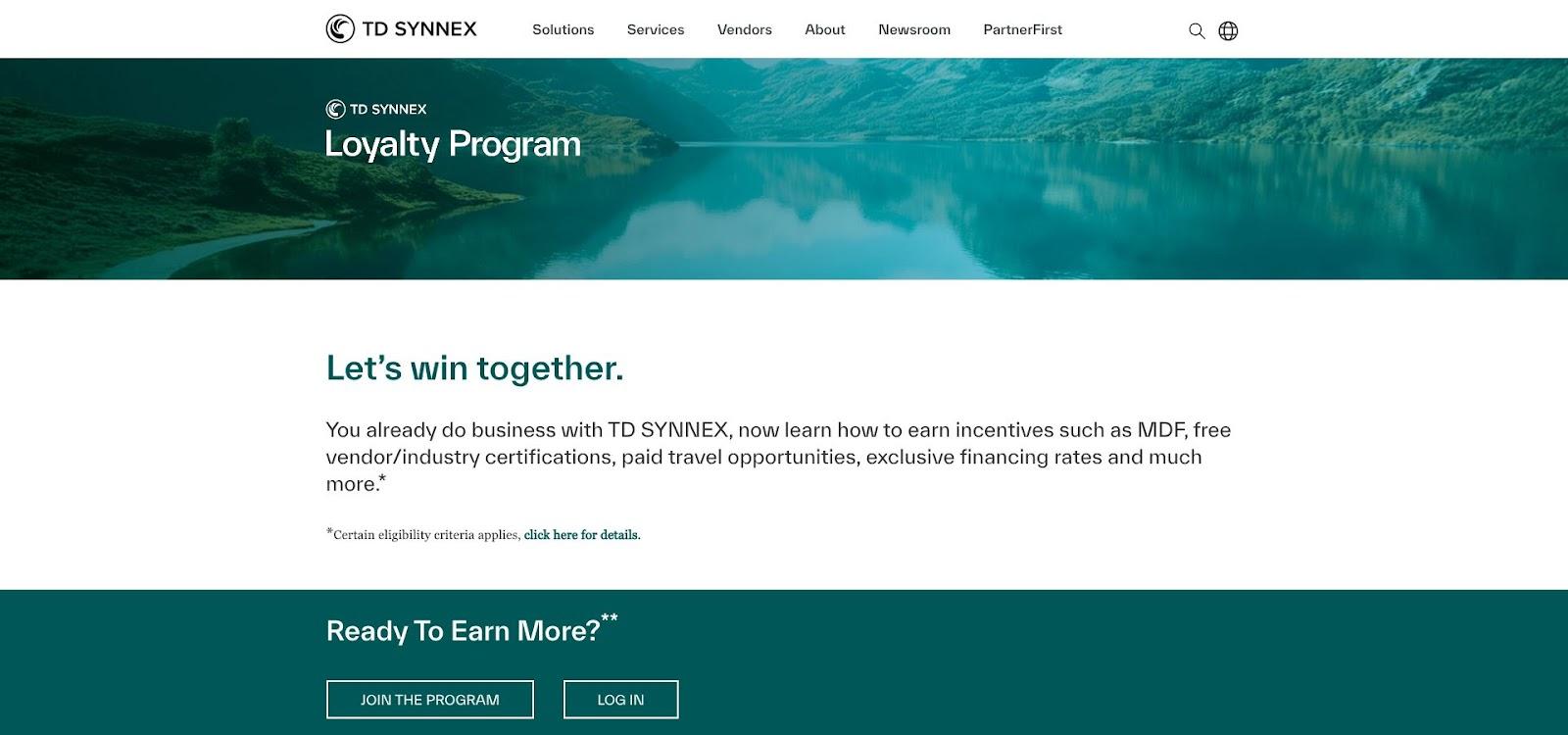
TD SYNNEX partner portal and StreamOne platform screenshot
In 2025 TD SYNNEX rolled out a tiered Partner Loyalty Program that pays real-time rebates, marketing funds, and even travel perks when you land new logos or expand into high-growth lanes like AI and security. A built-in dashboard tracks every dollar, so finance teams aren’t chained to spreadsheets.
Breadth is where TD SYNNEX pulls away. You can bundle a data-center refresh, Microsoft 365 migration, and enterprise connectivity solutions in one purchase order. That consolidation cuts vendor contracts, credit checks, and shipping schedules down to a single relationship.
Partners also lean on communities like Varnex and TechSelect. These peer groups swap playbooks, share pre-sales engineers, and give smaller MSPs the clout of a national integrator.
What’s the catch? Size can feel impersonal until you plug into the loyalty tiers and community forums. Engage fully, though, and TD SYNNEX feels less like a distributor and more like a growth engine that protects margin while opening up new revenue streams.
Ingram Micro: AI-powered Scale Without the Sprawl
If TD SYNNEX is the world’s largest storefront, Ingram Micro is the slick self-checkout that keeps lines moving.
The distributor serves more than 200,000 partners worldwide and backs that reach with Xvantage, an AI-driven “digital twin” of its entire operation. Type a product name, and the platform suggests complementary licenses, applies promotional pricing, and spins out a ready-to-send quote. What once took half a day across three vendor portals now wraps before your coffee cools.
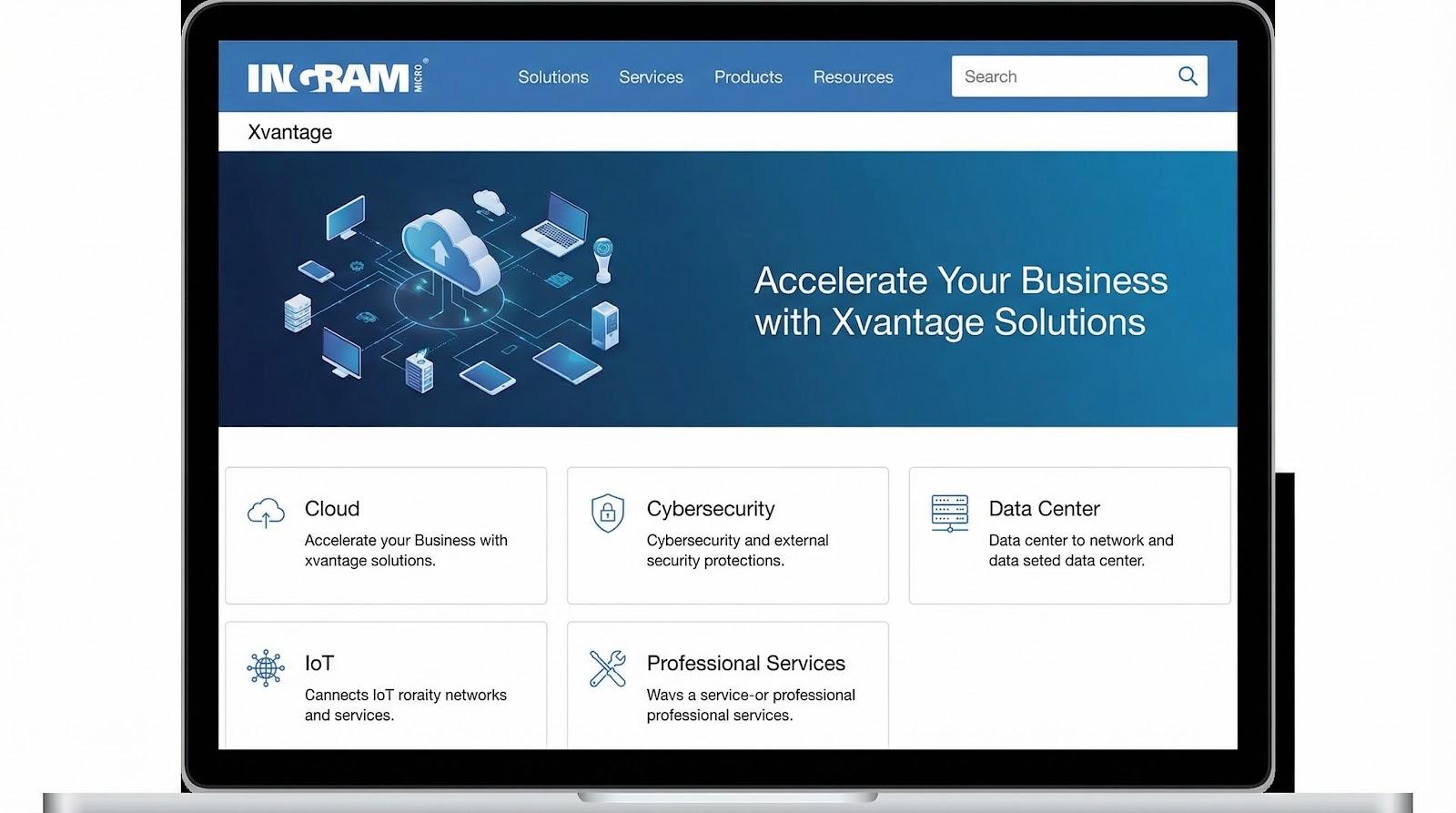
Ingram Micro Xvantage AI-powered digital experience platform screenshot
Breadth rivals anyone in the market. In one cart you can drop laptops, Palo Alto firewalls, and a year of AWS, all billed on a single monthly statement. That consolidation dovetails with Ingram’s financial-services arm, which fronts extended terms or device-as-a-service plans so you close bigger deals without draining cash flow.
Ingram sweetens the pot through communities like Trust X Alliance. Members swap leads, co-market, and access exclusive promotions, giving smaller firms the muscle of a national VAR. Annual partner events double as trend schools where engineers demo emerging vendors and train on new Xvantage features.
The flip side of massive scale is that the white-glove feel can fade unless you plug into those programs. Join the alliance and lean on dedicated reps. The experience snaps back into focus: personal, proactive, and relentlessly automated.
Bottom line? If you want end-to-end catalog depth plus AI that handles the grunt work, Ingram Micro turns complexity into the simple act of clicking “add to cart.”
Arrow Electronics: Enterprise Depth for Complex Builds
Sometimes a client needs more than boxes on pallets. They need a multi-vendor architecture designed, lab-tested, and shipped as a turnkey stack. That moment is where Arrow Electronics shines.
Arrow’s Enterprise Computing Solutions arm lives inside data centers, networking closets, and security operations centers. Partners tap ArrowSphere to weave cloud subscriptions into on-prem hardware, then lean on Arrow engineers to validate interoperability before anything leaves the dock.
Because Arrow focuses on higher-end tech, deal registration and vendor rebates protect margins that broadline distributors often erode. Integration services and staging let you bill professional-services revenue without expanding your payroll.
Support feels boutique. Many partners rave about having a named solutions architect on speed dial who will sketch network diagrams or fine-tune storage specs long before a quote is cut. That personal touch shortens sales cycles and lowers project risk.
Arrow isn’t ideal for every sale. Commodity laptops or bulk accessories belong elsewhere. When the project carries enterprise complexity, along with the profit that follows, Arrow acts as a force multiplier that helps you punch above your weight.
D&H Distributing: Big-league Support for the Small-biz Channel
Every partner says they care about SMB, but few build an ecosystem around it. D&H does.
The privately held distributor gives even two-person MSPs a named rep, fast credit terms, and no-minimum order fees. Those features remove hidden costs that eat margin on sub-$5,000 deals.
Community is D&H’s standout. Programs like Partnerfi pair you with peers facing the same SMB hurdles, such as quoting VoIP for mom-and-pop shops, bundling security with laptops, or stretching MDF dollars. Weekly webinars and the annual THREAD event keep you current without flying your entire team to Las Vegas.
Vendor-specific loyalty tracks add extra juice. Sell HPE through D&H’s EPIC initiative or promote Cisco’s SMB bundle and you gain stackable rebates most broadliners miss at entry tiers. Free-shipping promos further improve thin-project math.
Could you outgrow D&H? Possibly, once enterprise projects dominate your pipeline. Until then, the distributor feels like an extension of your staff, answering late-night product hunts, smoothing cash flow, and treating every ticket like a Fortune 500 order.
ScanSource / Intelisys: Hardware Meets Recurring Revenue
Most distributors sell products or broker services, not both. ScanSource breaks that mold by pairing its hardware catalog with Intelisys, a master-agent platform for telecom and cloud.
Here’s the upside for you. Sell a PBX or network upgrade through ScanSource, then layer SD-WAN circuits and UCaaS licenses via Intelisys, all under one customer agreement. The equipment pays once, the services keep paying every month, and your account valuation climbs.
Carrier contracts can pay commissions of 18 percent, stacking on top of normal product margin. Intelisys handles carrier negotiations, billing reconciliation, and lifetime commission tracking, so your operations team stays lean.
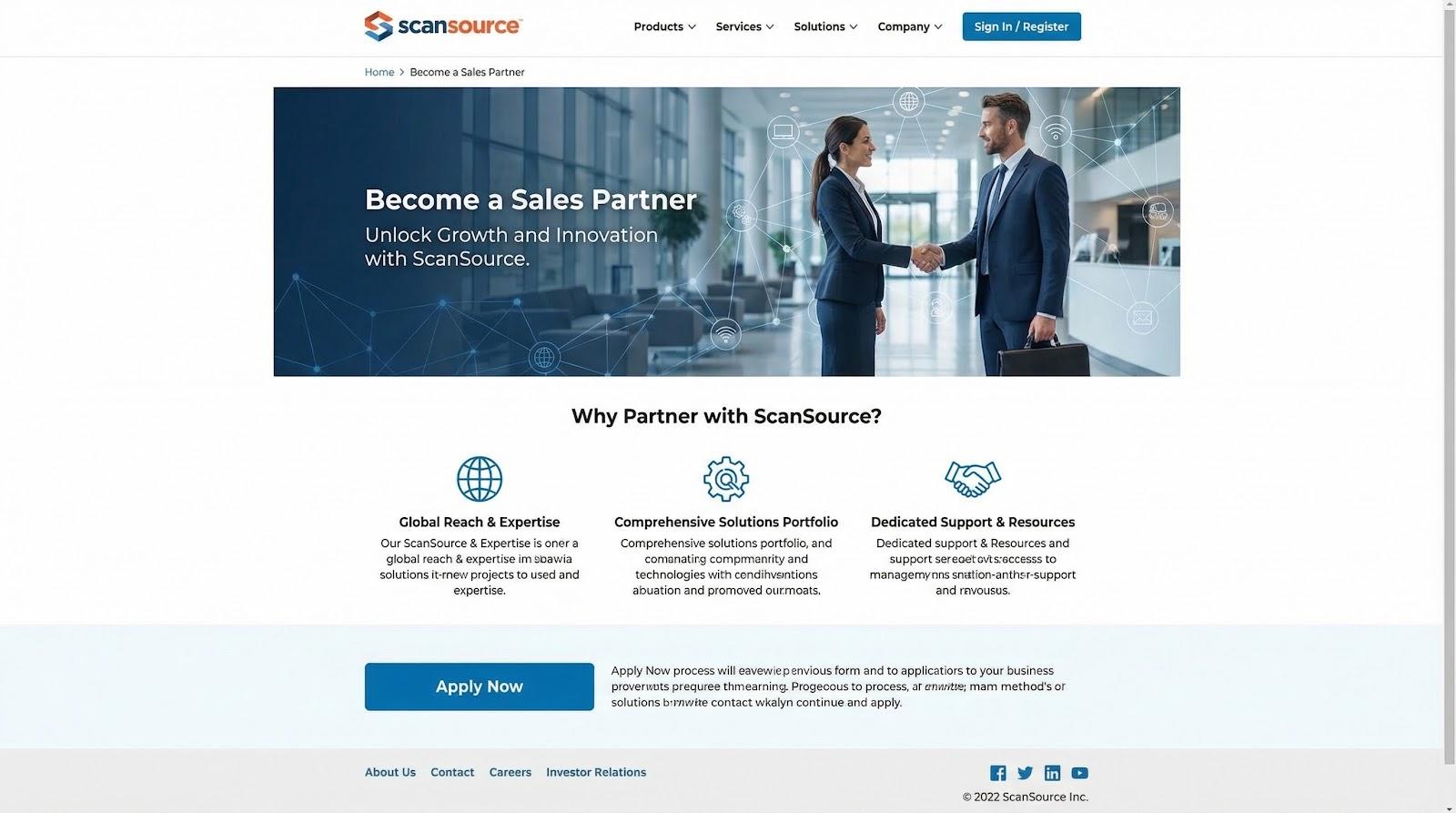
ScanSource and Intelisys recurring revenue and commissions portal screenshot
Training is everywhere. Cloud Services University teaches VARs how to pitch subscription models, while Mindshare peer groups trade tactics to reach that 30 percent monthly-recurring-revenue mark.
Limitations exist. You may still need a secondary distributor for commodity PCs or global logistics. Yet for partners shifting from one-and-done projects to annuity streams, ScanSource plus Intelisys feels like finding an extra gearbox in the same car.
Westcon-Comstor: Specialist Muscle in Networking and Security
When your proposal hinges on deep Cisco or Palo Alto expertise, broadline distributors can feel shallow. Westcon-Comstor lives and breathes those stacks.
The company’s Comstor unit mirrors Cisco’s entire channel framework, guiding you through certifications, VIP rebates, and deal-registration audits. Need to hit Gold partner status? Westcon’s academy runs the official courses and even pre-audits your paperwork, so nothing derails the badge.
Beyond Cisco, Westcon curates a focused lineup of security and UC vendors. Lab facilities let you test firewalls, switches, and Teams gateways in one rack before deploying on client sites. That proof of concept closes deals faster and cuts post-sale surprises.
Global unity is another edge. If your customer expands into EMEA or APAC, Westcon can stage gear locally and align tax paperwork, so there is no need to spin up new suppliers overseas.
Of course, specialty focus means you will still source PCs or printers elsewhere. For partners building secure, border-to-core networks, Westcon-Comstor acts as both mentor and multiplier.
Pax8: Cloud Commerce Made Ridiculously Simple
Born in the cloud era, Pax8 trims distribution to what today’s MSPs need: quick provisioning, unified billing, and scalable growth.
Log in and you find a single marketplace that bundles Microsoft 365, security SaaS, and IaaS instances on one screen. Add or drop licenses in seconds; the platform pushes changes to vendor portals and updates your PSA automatically. No spreadsheet gymnastics, no late-night reconciliations.
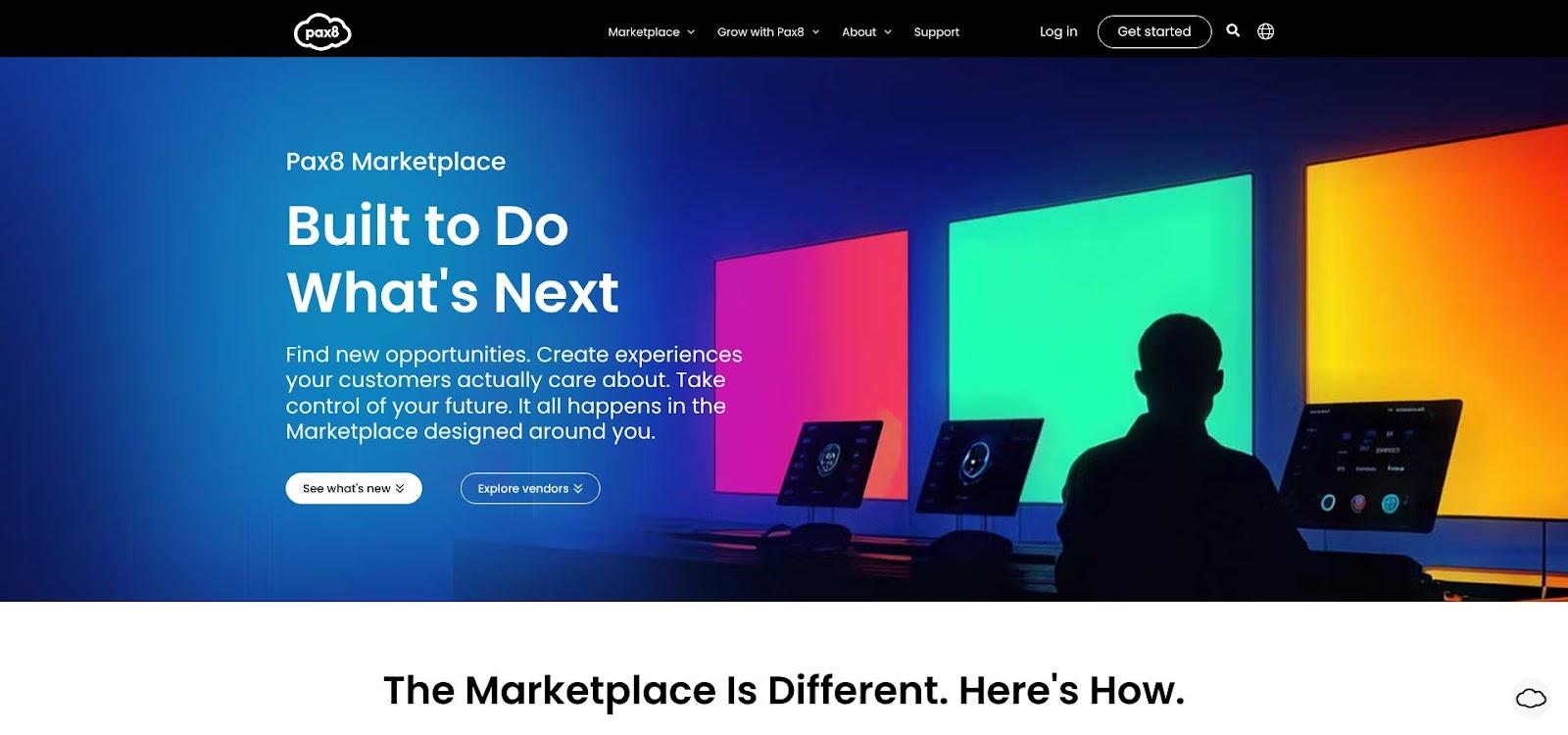
Pax8 unified cloud marketplace interface screenshot
Margins on SaaS are thin everywhere, yet Pax8 lifts profitability through stackable spiffs and usage-based prompts. The engine scans consumption patterns and suggests upsells such as backup or email security where clients show risk, turning a 5 percent resale margin into a healthier services bundle.
Training is free and constant. Pax8 Academy covers both technical and business playbooks, while the annual Beyond conference feels like an MBA crash course for cloud entrepreneurs. Support is US-based, product-specific, and fast—critical when a mailbox migration stalls at 2 am.
The trade-off? Pax8 is software only. You will still need a hardware distributor for routers or laptops. For partners chasing recurring revenue, the marketplace removes operational drag so you can scale subscriptions, not staff.
How to Choose the Right Program for Your Business
Every distributor on this list can move boxes and spin up cloud seats. The trick is finding the one that lifts your business model instead of just filling orders.
Start with your offer mix. If you sell everything from laptops to Layer-7 firewalls, an all-in-one aggregator such as TD SYNNEX or Ingram Micro collapses vendor sprawl into a single pane of glass. If 90 percent of your revenue comes from managed Microsoft 365, Pax8’s focused marketplace will save more back-office hours than a broad catalog you rarely touch.
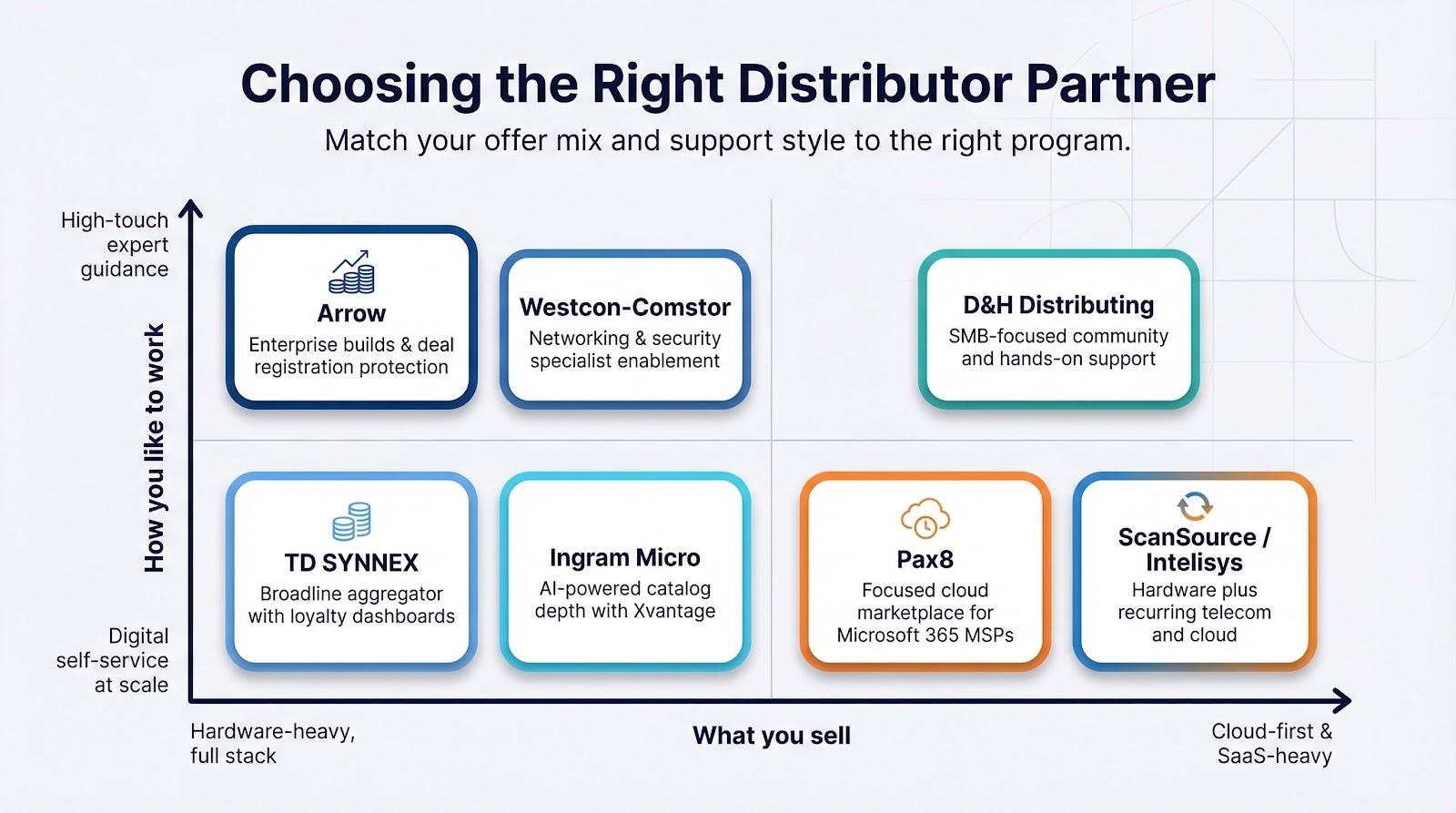
Next, gauge support chemistry. Do you thrive on hands-on guidance? D&H and Westcon assign experts who feel like part of your payroll. Prefer digital self-service at scale? Xvantage and StreamOne automate quoting and renewals, allowing your team to work asynchronously.
Money still matters. Compare entry costs, rebate tiers, and financing. Hardware-heavy shops need strong deal-registration protection; Arrow and TD SYNNEX excel here. Partners chasing recurring revenue care more about lifetime commissions and margin stacking, an Intelisys advantage.
Finally, look three years ahead. Will the distributor help you add new lines—telecom, IoT, or AI services—without another round of contract chaos? Programs that invest in communities, labs, and loyalty dashboards signal a roadmap that matches your growth curve.
Match portfolio breadth, cultural fit, financial upside, and future vision. When those four gears mesh, the distributor relationship moves from procurement to propulsion.
1. What is an IT channel partner program?
A channel partner program is a formal agreement in which a vendor or distributor supplies resellers with discounted pricing, training, and incentives so both parties earn more on every deal.
2. How do partner programs raise my margins?
Up-front wholesale discounts lower your cost of goods, while back-end rebates and MDF reimburse part of your marketing spend. Combine the two and you keep more profit without raising customer prices.
3. Do I need certifications to join?
Basic enrollment is usually open. Advanced perks, such as deeper Cisco or Microsoft discounts, become available once you finish the vendor’s certification path.
4. Can I belong to more than one distributor program?
Yes. Many MSPs pair a broadline distributor for hardware with a cloud marketplace for SaaS. Track volume carefully so you continue to meet each program’s rebate thresholds.
 Business Programs