 A VETERAN OWNED SMALL BUSINESS |
How AI Automation Is Changing Internal Business Operations
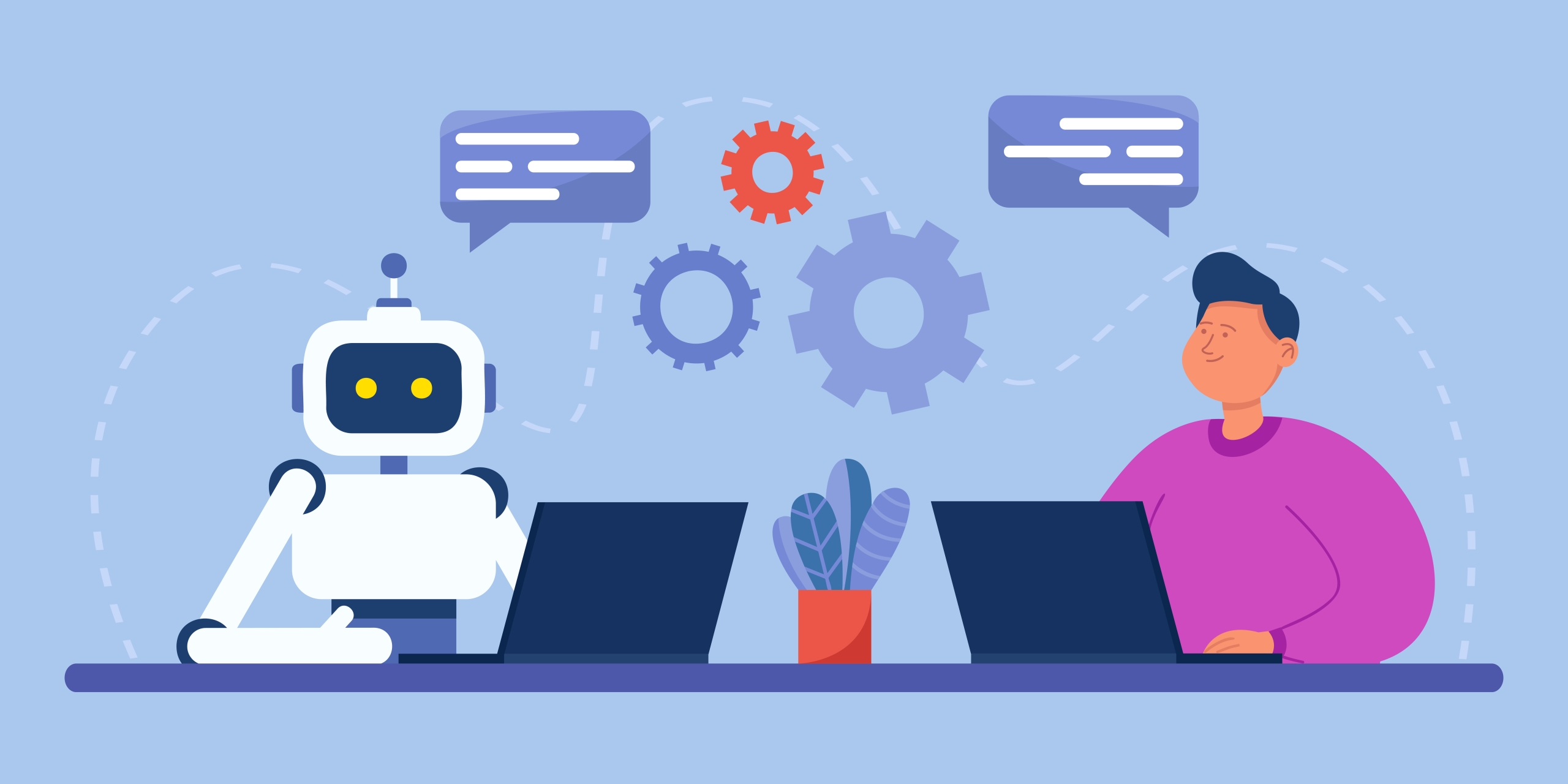
For businesses, daily operations are being transformed by AI automation. Tasks that once required hours of manual work can now be completed in minutes through intelligent systems and automated workflows.
From customer support to financial reporting, companies are increasingly reliant on AI-powered tools. When considering the benefits, improved efficiency, faster decisions, and reduced costs, it’s easy to see why.
Administrative Work Streamlined
One of the biggest changes can be seen in administrative processes. Businesses are increasingly relying on AI to:
- Organize emails
- Schedule meetings
- Generate reports
- Summarize internal communications
- Perform data entry
Along with reducing repetitive workloads, these tools allow employees to put more effort into higher-value responsibilities. That means teams are spending less time on manual data entry and more time on strategy, collaboration, and problem-solving.
Improved Customer Support Operations
Customer service departments have also experienced major improvements through automation. Take AI chatbots and virtual assistants. These can be incorporated to answer common questions instantly. They can also send customer requests to the correct department and, crucially for smaller organizations, provide support outside traditional working hours.
In doing so, this creates faster response times while reducing pressure on internal support teams. Your business can achieve consistent service levels without constantly increasing staffing costs.
Enhanced Finance and HR Processes
In finance and accounting, AI supports organizations in different ways. It can manage invoices, detect unusual transactions, and automate expense tracking. These systems can process vast amounts of information far faster than traditional methods. Automation also minimizes the risk of human error, which is particularly valuable for those managing complex financial operations.
Human resources departments are increasingly adopting AI-driven tools as well. Recruitment platforms can screen CVs, identify suitable candidates, and schedule interviews automatically. These systems even support onboarding as they can deliver training materials and answer employee questions. Thanks to these improvements, HR teams can manage growing workforces more efficiently while creating a smoother experience for new hires.
Data Analysis and Decision-Making
Another key area: data analysis. Businesses naturally generate enormous amounts of information every day. However, turning that data into actionable insights has historically been time-consuming, until now. AI automation tools can analyze trends and generate reports in real time.
As a result, decision-makers can react more quickly to everything from operational issues to market opportunities.
The Role of Flexible AI Infrastructure
As AI adoption grows, businesses seek more flexible infrastructure behind their automation systems.
Rather than depending on a single vendor, organizations are starting to rely on platforms that allow them to connect with multiple AI providers. For instance, services offering access to an API for 500+ AI models make it easier for development teams in various ways. They can experiment with different tools, compare performance, and scale automation projects without the need to rebuild existing systems.
This flexibility is becoming increasingly valuable as companies desire faster deployment and better cost control.
The Challenges with Automation
Despite the notable advantages, successful AI automation still demands careful planning. Businesses must ensure employees know how to use new systems effectively and maintain oversight of key processes.
Just remember, automation works best when combined with human expertise rather than replacing it entirely.







 Business Programs

Leave a Reply
Want to join the discussion?Feel free to contribute!