 A VETERAN OWNED SMALL BUSINESS |
Understanding the True Costs of Starting a Daycare Franchise
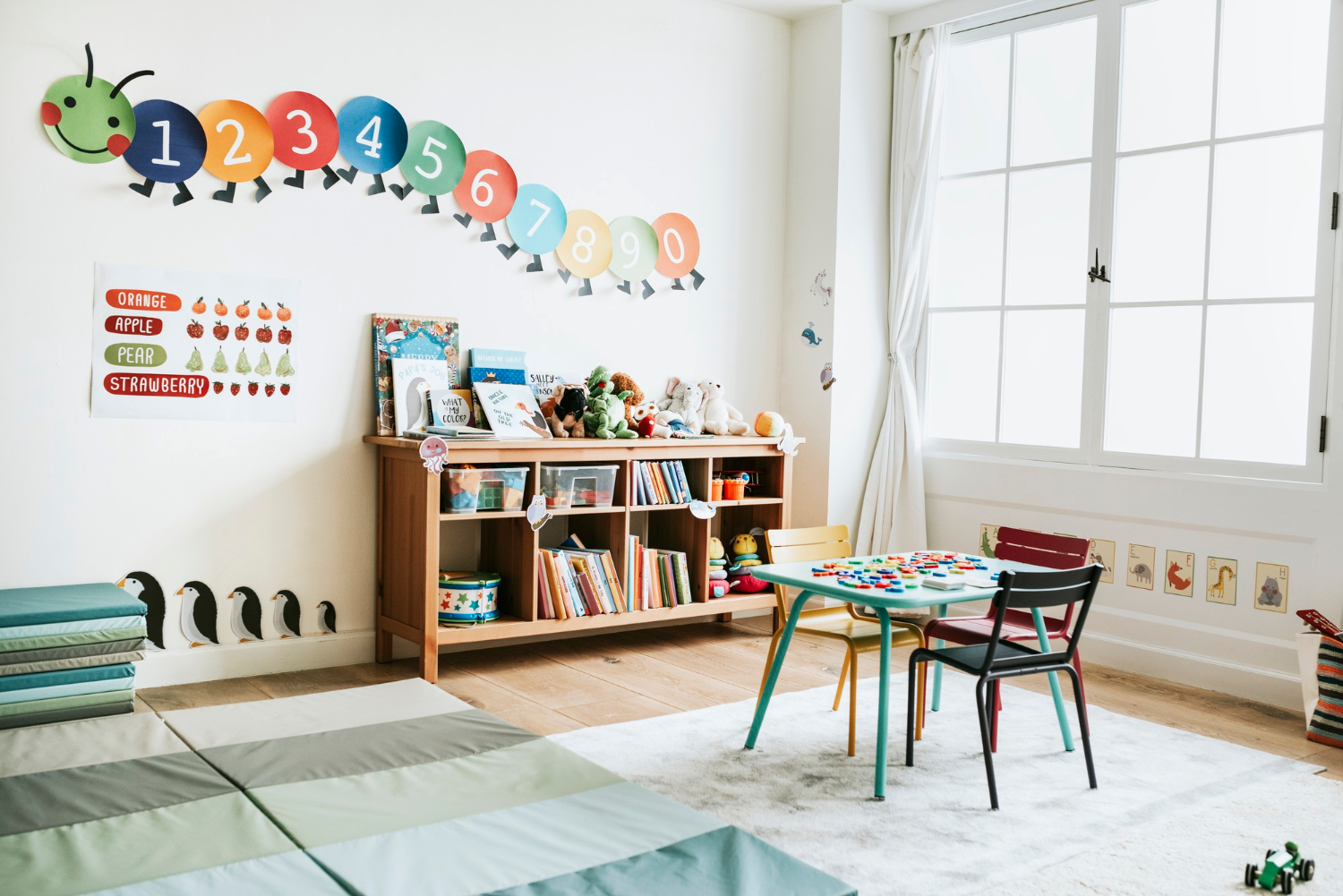
Starting a daycare franchise is a rewarding venture that can make a significant impact in your community, but being fully prepared means understanding the financial commitment needed to launch and sustain your business. Exploring the preschool franchise cost is an essential step in this process, as expenses can vary widely depending on factors such as location and size. Whether you are considering a home-based daycare or a large center-based facility, anticipating each line item helps ensure your venture succeeds from day one.
With a clear vision and careful planning, a daycare franchise can become both a profitable and fulfilling long-term project. It is critical to evaluate everything, from facility renovations to licensing fees to ongoing costs such as staffing and insurance. These outlays not only affect your initial investment but will also shape your ongoing operational budget throughout the life of your business.
Smart financial planning should also include consideration of working capital, which is often overlooked but vital during the first months when enrollment is still growing. By breaking down each major expense category, potential daycare owners can develop a realistic, actionable business plan while minimizing financial surprises that could disrupt operations later.
Understanding both startup and recurring expenses will help you build a thriving, resilient childcare center. This guide provides a detailed breakdown to help you map your path forward with confidence, ensuring you are well-prepared for each phase of the journey from opening your doors to ongoing growth. For additional guidance on business costs, you might also refer to resources such as Forbes’ guide to starting a business.
Initial Investment Overview
The initial investment for a daycare franchise can fluctuate significantly based on your chosen business model and local market conditions. Smaller home-based operations may require anywhere from $50,000 to $150,000 to get off the ground, while a larger center-based facility occupying commercial space may require an investment of $750,000 or more. Your actual costs will depend on factors such as property values, facility size, local childcare demand, and the extent of necessary renovations.
Facility Costs
Facility-related expenses are often the most significant line item for new daycare franchise owners. Expenses typically include the cost of leasing or purchasing the right property, as well as the costs of converting the space for childcare use. This often involves:
- Lease or Purchase: Monthly lease payments or real estate loan payments if buying property.
- Renovations: Modifications to make the environment safe, accessible, and suitable for children. Requirements may include adding restrooms, childproofing, installing safety gates, and upgrading to meet local building and fire codes.
- Utilities: Installation of essential services such as electricity, water, and heating, plus ongoing monthly utility bills.
Transforming a commercial space into a compliant daycare typically costs $20,000 to $200,000, depending on how extensive the renovations are and whether the property already meets certain regulations.
Licensing and Permits
Securing all necessary licenses and permits is required before opening your doors to families. These costs include:
- Childcare facility licensing at the state level.
- Local zoning permits, as well as building permits, are required to authorize daycare operations.
- Costs for fire safety inspections and certificates are to be obtained from the municipal government.
- Mandatory background checks for all staff members, as required by state and federal regulations.
Total expenses for licensing and permits often range from a few hundred to several thousand dollars, depending on your location and the volume of compliance checks required. Detailed information can be found on the ChildCare.gov resource hub.
Equipment and Supplies
Delivering safe and enriching childcare requires investment in quality equipment and consumable supplies such as:
- Age-appropriate furniture, such as child-sized tables, chairs, and cribs.
- Educational toys, books, games, and art supplies to foster child development.
- Kitchen appliances and utensils are also used to provide meals or snacks.
- Crucial safety gear, such as first aid kits, fire extinguishers, secure entry systems, and playground equipment that meets recommended criteria.
Depending on the number of children you plan to serve, these itemized costs typically range from $10,000 to $50,000 or more.
Staffing Expenses
Payroll is a critical, recurring operating expense, largely shaped by state-mandated staff-to-child ratios. For instance, infant rooms often require one staff member for every 4 babies, and payroll costs rise as you accommodate more age groups. Salaries must remain competitive to attract qualified caregivers and educators, which may also include staff benefits and ongoing professional development opportunities.
Insurance Requirements
Having robust insurance coverage protects both your business and your clients. Required policy types generally include:
- General liability coverage for accidents or injuries.
- Property policies to replace or repair equipment and facilities after damage.
- Workers’ compensation to meet state laws and safeguard staff in case of on-the-job injuries.
Expect to spend between $1,000 and $15,000 per year, depending on your facility size, location, and level of risk exposure. Insurance is often a prerequisite for securing your childcare provider license, so it should be prioritized early in the planning stages.
Marketing and Enrollment
To attract families and reach full enrollment, you need a strategic marketing approach. Common channels include developing a professional website, conducting digital and local print advertising, hosting open house events, and distributing branded materials throughout the community. Many new centers allocate $3,000 to $8,000 to initial marketing, followed by ongoing monthly budgets to maintain visibility.
Ongoing Operational Costs
Beyond your upfront investment, it is important to factor in monthly operational costs, including continued payroll, utility and maintenance bills, recurring supply purchases, and regular marketing campaigns. Experienced daycare operators recommend keeping 3 to 6 months’ worth of operating capital on hand as a financial safety net during the ramp-up phase.
Funding Options
Financing your daycare franchise involves combining resources. Top options include:
- Personal Savings: Self-funding part or all of the initial investment.
- SBA Loans: Small Business Administration loans are popular among franchisees for their favorable terms and accessibility.
- Childcare-Specific Grants: Some state and federal agencies provide grants to help offset startup or expansion costs, especially when focusing on underserved populations.
- Community Development Financial Institutions (CDFIs): These organizations help fund businesses in low-income communities through grants or low-interest loans.
By researching and combining funding sources, daycare owners can build a comprehensive strategy that minimizes risk and maximizes available capital, laying a solid foundation for sustainable growth.





 Business Programs

Leave a Reply
Want to join the discussion?Feel free to contribute!