 A VETERAN OWNED SMALL BUSINESS |
How Do You Bootstrap a Highly Profitable Rental Business on a Tight Budget
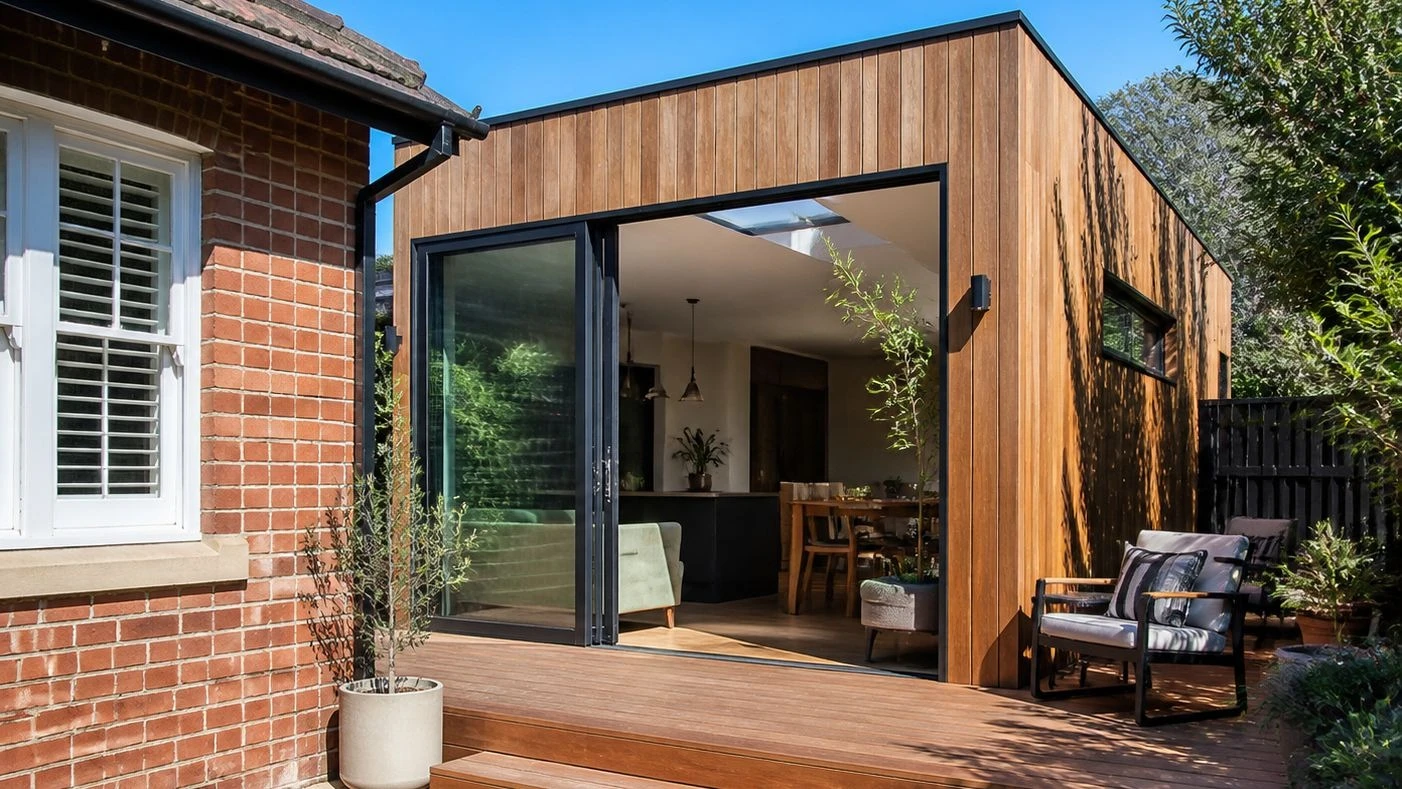
Getting a foothold in the property rental market right now takes serious capital. If you look at standard median house prices in Sydney, Melbourne, or even regional hubs, the deposit alone locks out a lot of potential investors. Bootstrapping a rental portfolio is tough, but it’s not impossible. It just means you have to step away from the traditional model of buying a standalone house and hoping for capital growth to bail out a poor rental yield. You need to focus purely on cash flow and fast execution. The goal is to generate rental income with the absolute minimum upfront spend.
Maximise What You Already Own
If you already hold a property, your cheapest entry into the rental game is sitting right on your block. The land is paid for. You just need to figure out how to generate a second income stream from it. A lot of people assume they need to buy a whole new investment property, but reconfiguring an existing footprint is often far more profitable.
Sometimes this means converting a large garage or underutilized downstairs area into a self-contained studio. Other times, planning a targeted home extension is the best way to add a secondary dwelling or split the property into a dual-income setup. The key is to keep the build cost low and the yield high. You want to avoid overcapitalising on high-end finishes that do not directly translate into higher weekly rent.
Tenants want clean, functional, and private spaces. Spend your budget on soundproofing between the dwellings and a decent separate entrance. Get the council approvals sorted early. Local planning laws vary wildly across different shires and you don’t want to be hit with compliance notices after the fact.
The Speed of Secondary Dwellings
Time is your biggest enemy when you’re on a tight budget. Every week a project drags on is a week of lost rental income and accumulating holding costs. If you are adding a standalone structure to a backyard, traditional stick builds can take months. You have trades not showing up, weather delays, and material shortages blowing out the timeline.
This is where modern construction methods make a massive difference for bootstrapped investors. Installing prefab houses as secondary dwellings or granny flats has become a standard play for a reason. They are built offsite in a factory, delivered on a truck, and can often be lockup-ready in a matter of weeks rather than months.
Faster completion means you can get a tenant in and start collecting rent almost immediately. The rent from that secondary dwelling can then cover the finance costs of the build, essentially creating a self-sustaining asset. Just make sure you research your local council regulations regarding minimum block sizes and boundary setbacks before ordering anything.
Looking Beyond Residential Limits
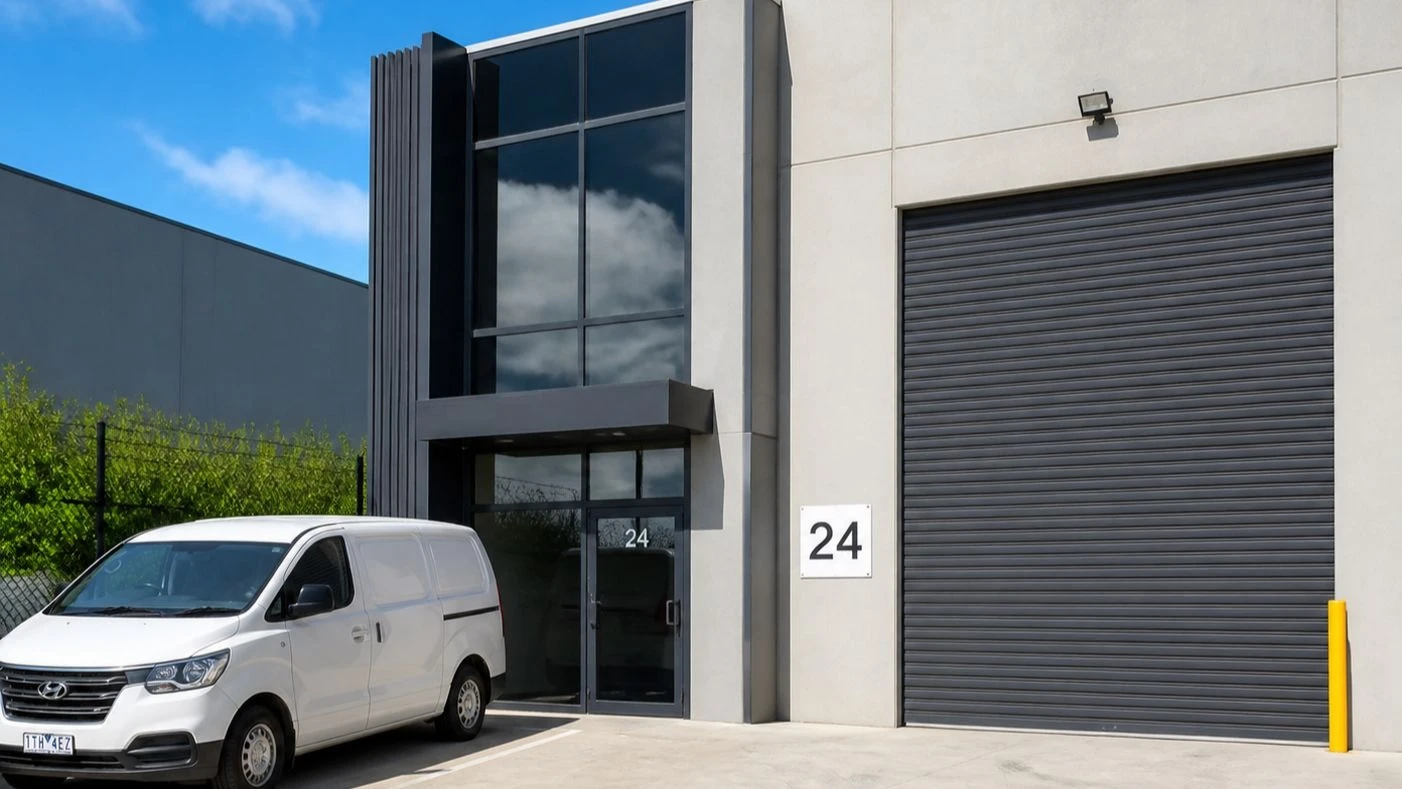
Residential yields are currently squeezed. By the time you account for strata, rates, maintenance, and property management fees, a standard apartment might only net you two or three percent. If your capital is limited, you need your money working harder than that.
Smaller commercial properties often provide a better entry point for cash flow. Think small industrial strata sheds, retail strips in secondary suburbs, or regional office spaces. The yields are generally higher. Commercial tenants typically sign longer leases and pay the outgoings. The barrier for a lot of people is that commercial property feels complicated. The rules are different.
Getting your head around commercial building valuations is critical because the numbers are driven almost entirely by the lease and the yield, rather than emotional buyers overpaying at an auction. If you can identify an underperforming asset, secure a good tenant, and improve the yield, the value of the property increases significantly. You can then refinance and pull that equity out to fund the next deal.
Controlling Maintenance and Operational Costs
When you bootstrap, you can’t afford surprise bills. A busted hot water system or a leaking roof will wipe out your profit margin for the entire quarter. You need to be proactive about maintenance, not reactive.
Do a thorough audit of the property before a tenant moves in. Fix the minor issues before they become major structural problems. Clean out the gutters, check the plumbing fixtures, and make sure the electrical board is compliant. It costs less to fix a dripping tap today than it does to replace water-damaged cabinetry next month.
You also need to be realistic about what you can manage yourself. Painting a wall or doing basic landscaping is fine. But don’t try to do your own plumbing or electrical work to save a few dollars. It is illegal, dangerous, and will void your insurance. Build a reliable network of local trades. Pay their invoices on time so they actually answer the phone when you have an emergency on a Sunday afternoon.
Tenant Selection Is Make or Break
Your rental business is only as good as the people living in your property. A bad tenant will cost you thousands in lost rent, legal fees, and property damage. When your budget is tight, a single bad tenancy can sink the whole operation.
Don’t rush the screening process just to get someone in the door. It’s better to have the property sit empty for an extra week than to hand the keys to someone with a history of property damage and rent arrears. Look for stability. Check their employment history, follow up on their previous rental references, and trust your gut. If a prospective tenant is difficult to deal with during the application process, they will be a nightmare to manage once they move in.
If you use a property manager, hold them accountable. They are supposed to be managing the asset, not just collecting a fee. Make sure they are doing the routine inspections and reporting back with photos. If they are letting things slide, find a better agency. You are paying them a percentage of your income to protect your investment.
Scaling Up Without Overleveraging
The final part of bootstrapping is knowing how to use your profits. The temptation is to pull the cash out and spend it. But if you want to build a real portfolio, you need to compound those returns.
Take the surplus cash flow from your first project and drop it straight into an offset account. Build up a buffer for emergencies. Once that buffer is healthy, use the remaining cash flow and any manufactured equity to fund the deposit for the next project. Keep your debt levels manageable. Interest rates move, and if you are leveraged to the hilt, a slight increase in rates will put you under severe financial stress. Stick to properties that generate positive cash flow or at least break even. Bootstrapping is about playing the long game with discipline, protecting your downside, and making the assets work for you.









 Business Programs

Leave a Reply
Want to join the discussion?Feel free to contribute!