 A VETERAN OWNED SMALL BUSINESS |
The Impact of Oral Health on Overall Wellness
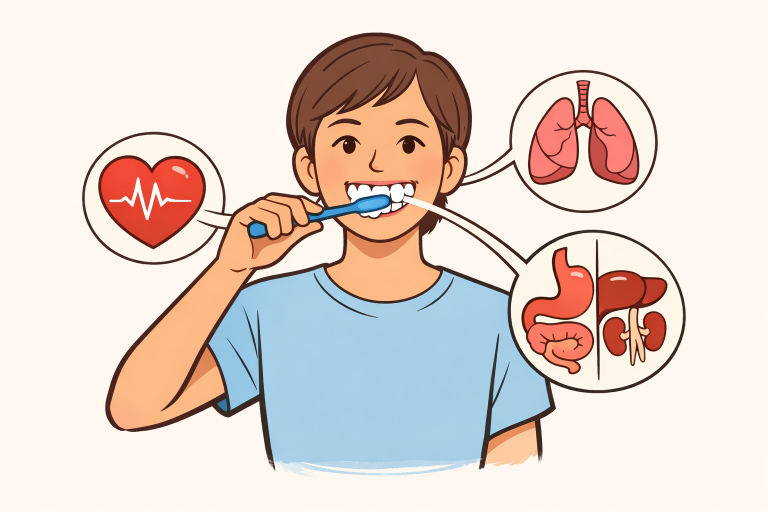
Maintaining good oral hygiene is more than just keeping your smile bright. It’s a crucial component of overall health and well-being. The mouth serves as a gateway to the body, and neglecting oral care can lead to far-reaching health challenges. In fact, the way you care for your gums and teeth can even impact how your body handles inflammation, infections, and serious illness. For those looking for advanced care options, biological tooth extraction can be part of a holistic approach to oral and systemic health.
Oral hygiene is closely tied to numerous facets of your health. Research continues to show that routine dental care not only supports your smile but also helps prevent complications linked to chronic diseases. Taking preventive steps can greatly reduce the risk of advanced oral problems and their consequences for the rest of your body.
The Mouth-Body Connection
The human mouth is home to a vast community of bacteria, most of which are harmless and even beneficial. However, improper or infrequent oral care allows harmful bacteria to thrive, increasing the risks of gum disease and tooth decay. These oral issues can become significantly problematic, as they often do not stay limited to the mouth. In fact, according to the Mayo Clinic, unchecked oral infections may contribute to a range of systemic diseases affecting major organs and systems.
Beyond localized discomfort or tooth loss, oral infections can trigger inflammation that impacts the body’s immune response. For example, periodontitis (serious gum infection) can set off persistent inflammation, making it easier for bacteria and toxins to enter the bloodstream. These unwanted visitors may then circulate and influence conditions well beyond dental health.
Heart Disease and Oral Health
The relationship between oral health and cardiovascular health is well-documented. Multiple studies, including those shared by the Harvard Health Publishing, highlight how oral bacteria and inflammation from periodontitis may contribute to the development of arterial plaque and hardening of the arteries. This buildup is known as atherosclerosis and is a major risk factor for heart attacks and strokes. Individuals with ongoing gum disease are often found to have higher incidences of cardiovascular events, reinforcing the need for proactive dental care as part of heart disease prevention.
Diabetes and Gum Disease
The connection between gum health and diabetes is a two-way street. Elevated blood sugar can weaken the body’s ability to combat oral bacteria, leading to a higher likelihood of gum infections. At the same time, severe gum disease makes it much harder to keep blood glucose levels stable. According to the American Diabetes Association, controlling one of these conditions often results in improvements to the other. This bidirectional relationship underlines why oral care is especially essential for individuals living with diabetes or those at risk for the disease.
Respiratory Infections
Oral health is closely linked to respiratory health as well. Harmful bacteria in the mouth may be inhaled and travel down to the lungs, which can result in respiratory infections like pneumonia or exacerbate chronic lung diseases. This risk is particularly serious in older adults or those with compromised immune systems. By maintaining sound oral hygiene routines, these vulnerable populations can help lower the incidence of lung infections and safeguard their respiratory health.
Pregnancy Complications
Oral health plays a vital role during pregnancy. Pregnant women who develop gum disease face a higher risk of complications such as premature birth or low birth weight. During pregnancy, hormonal changes can increase susceptibility to gum inflammation and infection, making diligent oral care even more important. The Centers for Disease Control and Prevention (CDC) recommends that pregnant women regularly visit their dentist and maintain daily oral hygiene to protect both maternal and fetal health.
Preventive Measures for Optimal Oral Health
Embracing simple, daily habits can go a long way in safeguarding both your oral and general health. Good preventive dental care practices include:
- Brushing your teeth at least twice a day with fluoride toothpaste to remove bacteria and plaque.
- Flossing daily to clean between teeth, where a toothbrush can’t always reach.
- Eating a balanced diet and limiting sugary foods and drinks, which fuel harmful oral bacteria.
- Scheduling regular dental checkups and professional cleanings for timely detection and treatment of issues.
- Avoiding tobacco use in any form, as it greatly increases the risk of gum disease, oral cancers, and other health problems.
Conclusion
Oral health is a cornerstone of overall wellness. By prioritizing regular dental care and maintaining a mindful oral hygiene routine, you not only preserve your teeth and gums but also support your body’s broader health. Preventive measures are simple, effective, and vital for keeping systemic diseases at bay and ensuring that your mouth remains a healthy gateway to the rest of your body.









 Business Programs

Leave a Reply
Want to join the discussion?Feel free to contribute!