 A VETERAN OWNED SMALL BUSINESS |
5 Things Landlords Should Know About Commercial Flat Roofing Maintenance
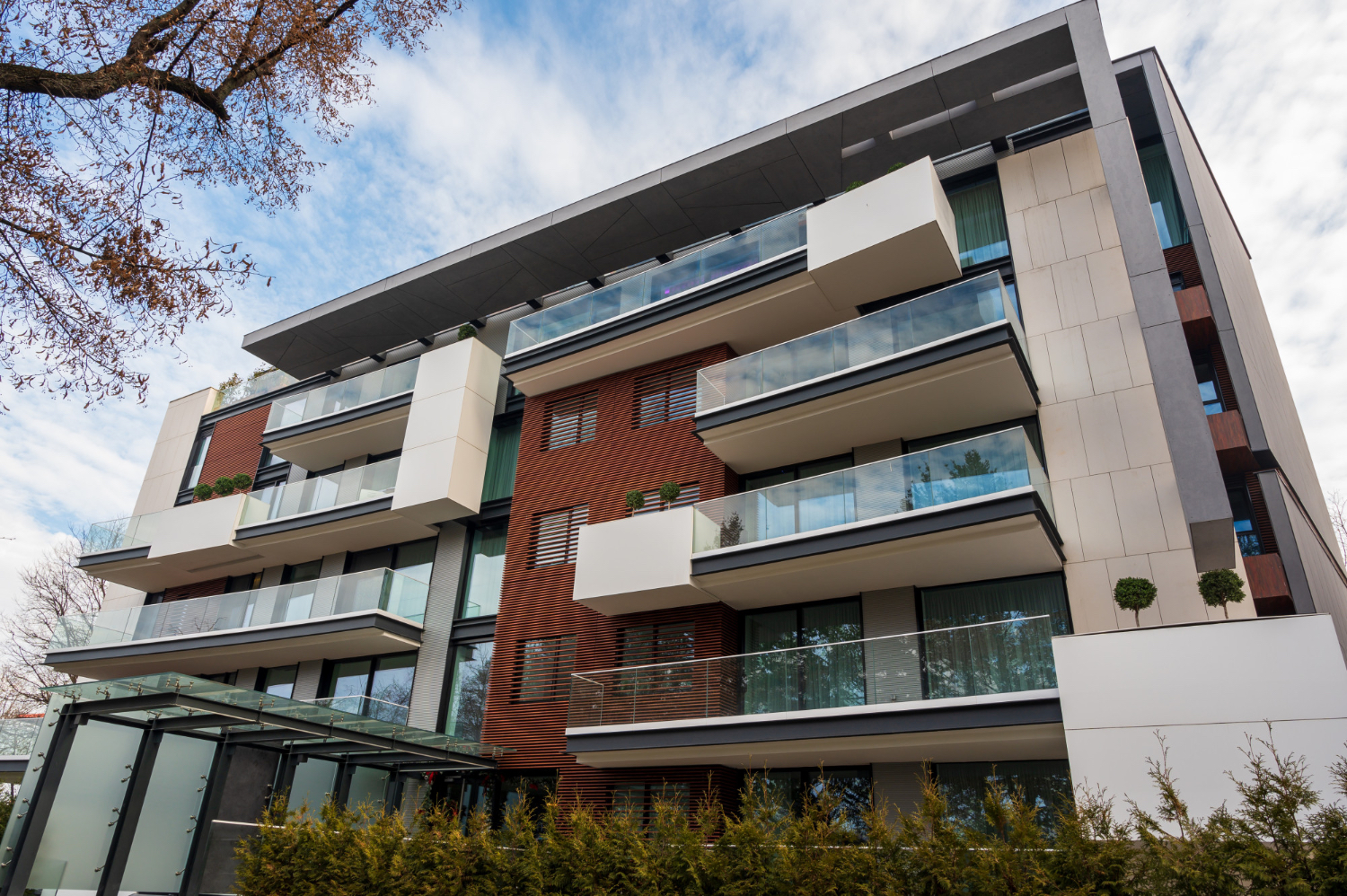
Owning a commercial building in Chicagoland comes with its own set of challenges, and the roof is often the most overlooked part of the property. Lake-effect snow, sudden temperature swings, and heavy summer storms all put extra pressure on flat roofs. Even small issues can worsen quickly when regular inspections and maintenance are delayed, leading to expensive repairs, tenant complaints, and unexpected business disruptions that could have been prevented.
For landlords, staying ahead of roof problems is not just about avoiding leaks, it is about protecting tenants, property value, and long-term costs. A proactive maintenance plan also helps extend the roof’s service life, supports lease obligations, and reduces the risk of emergency repairs. Here are five things every landlord should know before their next roof inspection.
1. Know Your Roof Type
Flat roofs are not all built the same way. Some buildings use TPO membranes, others use EPDM rubber, and older properties may still have built-up asphalt roofing. Each material ages differently and needs a slightly different maintenance approach.
TPO tends to hold up well against UV rays but can be sensitive to punctures, while EPDM is tough and flexible but may shrink slightly over time if not checked regularly. Built-up roofs, common on older Chicagoland properties, are durable but heavier and often harder to patch without specialized tools.
Before planning any repairs, find out exactly what type of roofing system your building has. This one detail changes everything, from the cost of repairs to how often inspections should happen, and it also affects which contractors are qualified to work on it.
2. Schedule Regular Inspections
Most roof damage does not happen overnight. It builds up slowly, often unnoticed, until a small issue turns into a costly repair. Spring and fall are usually the best times to schedule a walkthrough, since they fall right before the toughest weather stretches of the year.
A simple twice-a-year inspection schedule can catch:
- Cracked seams before they widen
- Loose flashing around vents and edges
- Early signs of water pooling
- Debris buildup near drains
This kind of routine attention matters more than most landlords realize, since the U.S. Department of Energy notes that roofs left unmaintained contribute to a significant share of a commercial building’s total energy loss, driving up heating and cooling costs year-round.
Landlords who skip inspections usually end up paying more later, not less.
3. Address Small Leaks Immediately
It is tempting to ignore a small stain on the ceiling, especially if it does not seem to be getting worse right away. But small leaks rarely stay small for long, and waiting almost always increases the final repair bill.
Water tends to travel before it shows up as a visible stain, which means the source of the leak is often several feet away from where the damage first appears.
If you notice discoloration, bubbling paint, or a musty smell near the top floor, it is worth bringing in a team that specializes in commercial flat roofing Chicagoland landlords already trust for fast, reliable diagnostics. Getting ahead of the problem early can save thousands of dollars in structural repairs down the road.
Lakeland Exteriors & Roofing has built a reputation locally for catching these issues before they spread, which is exactly the kind of early intervention that protects both the building and the tenants inside it.
4. Watch for Ponding Water
Flat roofs are designed with a slight slope, but that slope can shift over time due to building settlement or poor original installation. When water sits on a roof for more than 48 hours, it is considered ponding, and this is one of the fastest ways to shorten a roof’s lifespan.
Ponding water adds unnecessary weight, breaks down membrane materials faster, and can lead to interior leaks that damage ceilings, wiring, and tenant belongings. Over time, standing water can also encourage algae or moss growth, which slowly eats away at the membrane surface.
A quick visual check after heavy rain, looking for standing puddles that have not drained within two days, can help catch this issue before it turns into a bigger structural concern.
5. Budget for Preventive Maintenance
Many landlords only think about roofing costs after something breaks. That reactive approach almost always costs more in the long run. A better plan is to set aside a small annual budget specifically for roof upkeep, covering minor sealant touch-ups, drain cleaning, and gutter checks.
Even setting aside a modest amount each quarter can make a noticeable difference, since small fixes are always cheaper than replacing an entire section of membrane.
Preventive maintenance is far cheaper than emergency repairs, especially during Chicago’s harsh winters when contractors are booked solid and material costs tend to rise.
Final Thoughts
Roof maintenance is not the most exciting part of property management, but it is one of the most important. Staying proactive with inspections, budgeting, and prompt repairs protects both your investment and your tenants.
It also helps you avoid the kind of surprise expenses that throw off an entire year’s operating budget, especially when a small issue is left unattended for too long.
A well-maintained flat roof is one less thing landlords need to worry about, and that peace of mind is worth the effort.









 Business Programs

Leave a Reply
Want to join the discussion?Feel free to contribute!