 A VETERAN OWNED SMALL BUSINESS |
Managing Risk as Part of a Sustainable Growth Plan
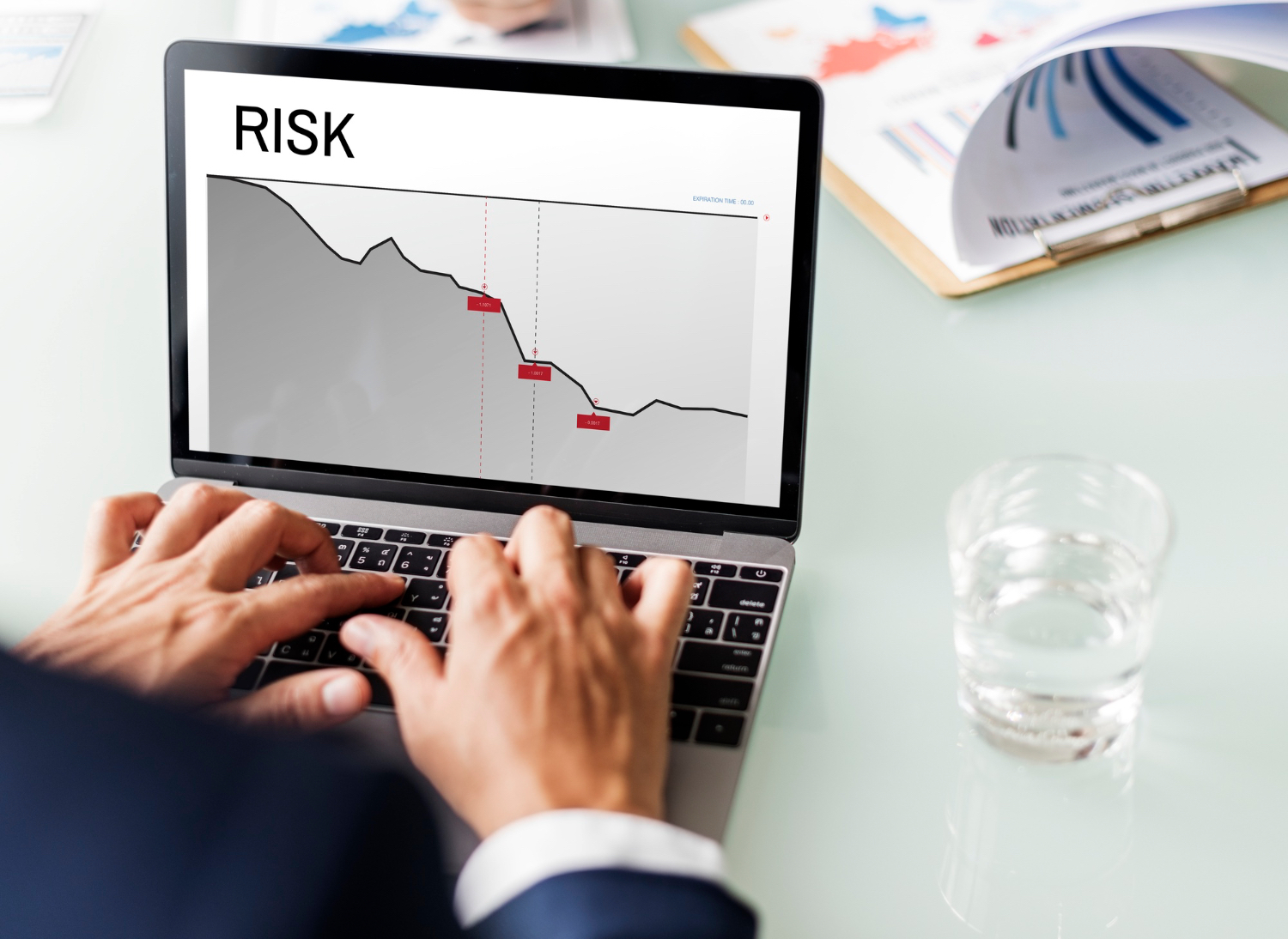
Every business owner wants to see their company grow, but sustainable growth requires more than increasing sales or expanding operations. Long-term success depends on identifying, managing, and reducing risks that could disrupt progress. A well-structured growth plan should include risk management as a core component, helping businesses remain resilient while pursuing new opportunities.
Why Risk Management Matters for Growth
Growth often brings new challenges. Hiring more employees, taking on larger projects, entering new markets, or investing in equipment can all create additional exposure to financial, operational, and legal risks.
Without a clear strategy for managing these risks, businesses may find themselves dealing with unexpected setbacks that consume resources and slow momentum. By proactively addressing potential issues, business owners can make decisions with greater confidence and create a stronger foundation for future expansion.
Risk management is not about avoiding growth. Instead, it is about ensuring that growth happens in a controlled and sustainable way.
Identifying Potential Risks
The first step in managing risk is understanding what threats could impact the business. While every company faces unique challenges, common risks include:
- Workplace accidents and injuries
- Property damage
- Contract disputes
- Cash flow disruptions
- Regulatory compliance issues
- Cybersecurity threats
- Supply chain interruptions
Regular risk assessments help business owners identify vulnerabilities before they become serious problems. Reviewing operations, processes, and financial performance can reveal areas that need attention and improvement.
Building Strong Operational Processes
Effective processes reduce uncertainty and create consistency across the organization. As a business grows, informal systems that worked in the early stages may no longer be sufficient.
Documented procedures, employee training programs, and clear accountability structures help minimize errors and improve efficiency. Standardized workflows also make it easier to scale operations without sacrificing quality or safety.
Businesses that invest in strong operational systems are often better equipped to handle growth-related challenges and maintain customer satisfaction.
Protecting Financial Stability
Financial risks can quickly derail a growth strategy. Unexpected expenses, delayed payments, or economic downturns may put pressure on cash flow and limit a company’s ability to invest in future opportunities.
Creating a financial safety net is essential. This may include maintaining emergency reserves, monitoring budgets closely, diversifying revenue streams, and regularly reviewing financial forecasts.
Business owners should also evaluate whether their insurance coverage aligns with their current operations and future goals. As companies expand, their exposure to risk often changes. Working with providers such as David Ison Insurance can help contractors and other businesses assess coverage needs as part of a broader risk management strategy.
Managing Risks Associated with Expansion
Expansion presents exciting opportunities, but it can also introduce new risks. Entering a new market, launching additional services, or increasing workforce size requires careful planning.
Before moving forward, business leaders should evaluate:
- Market demand and competition
- Staffing requirements
- Regulatory obligations
- Equipment and infrastructure needs
- Financial projections
Taking a measured approach allows businesses to identify potential obstacles and develop contingency plans. This preparation reduces the likelihood of costly surprises and improves the chances of a successful expansion.
Creating a Culture of Risk Awareness
Risk management should not be limited to leadership teams. Employees at every level play an important role in identifying hazards and supporting business continuity.
Encouraging open communication, providing ongoing training, and promoting accountability can help create a culture where risk awareness becomes part of daily operations. When employees understand how their actions affect business outcomes, they are more likely to contribute to a safer and more productive workplace.
A strong culture also enables organizations to respond more effectively when unexpected challenges arise.
Monitoring and Adjusting the Plan
Risk management is not a one-time exercise. As markets evolve and businesses grow, new risks emerge while existing risks change in significance.
Regular reviews of risk management strategies help ensure they remain aligned with business objectives. Monitoring performance indicators, reviewing incidents, and updating contingency plans allow companies to stay prepared for changing circumstances. Organizations that continually assess and adapt their approach are often better positioned to maintain stability while pursuing growth opportunities.
When risk management becomes an integral part of a growth plan, companies are better equipped to navigate challenges and achieve their goals with confidence.








 Business Programs

Leave a Reply
Want to join the discussion?Feel free to contribute!