 A VETERAN OWNED SMALL BUSINESS |
The Homeowner’s Pest Safety Checklist: Protecting Your Family and Pets From Common Household Threats
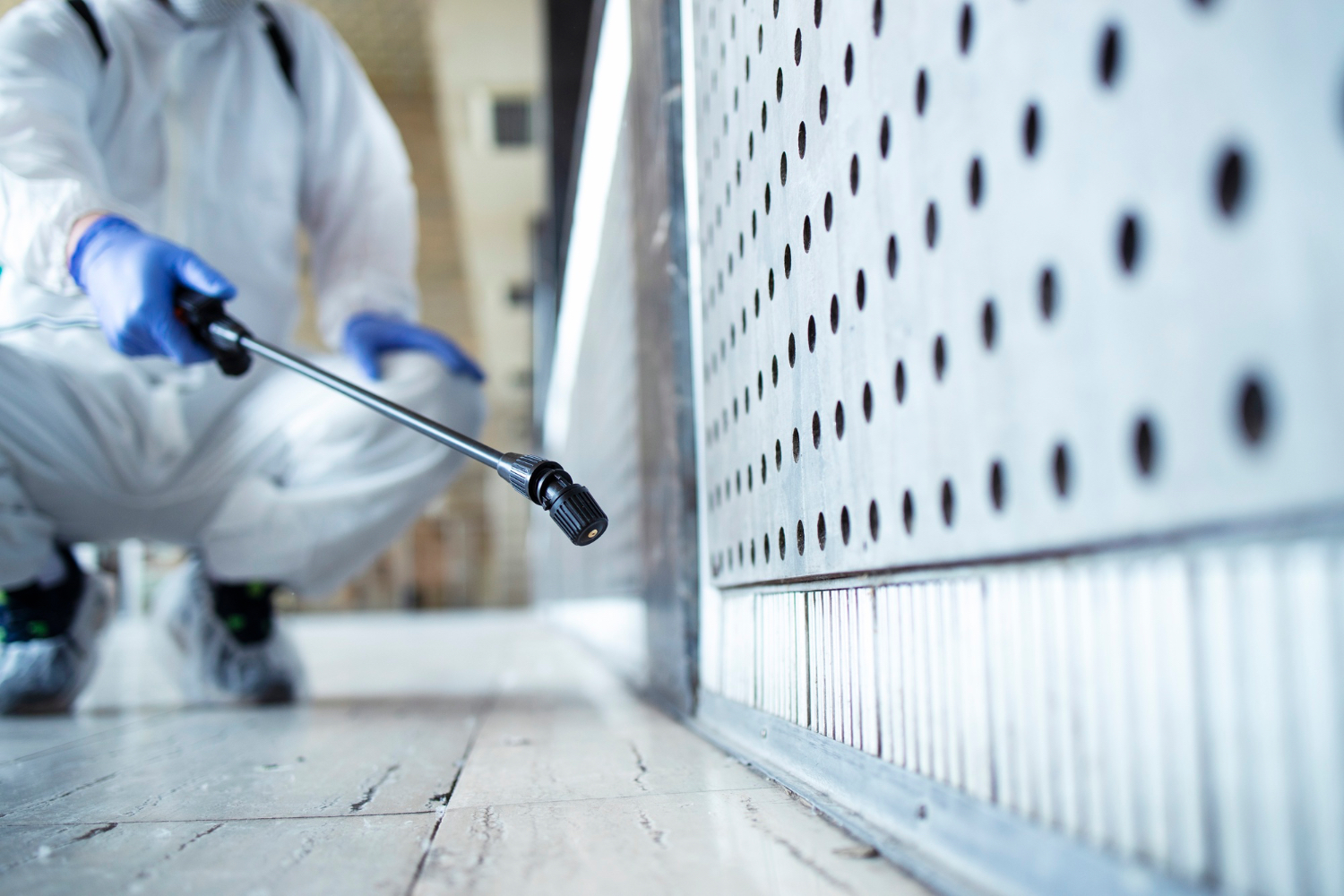
Running a household well isn’t so different from running a business: you spot risks early, you build in redundancy, and you don’t wait for a small problem to become an expensive one. StrategyDriven readers tend to think this way about budgets, teams, and growth plans, but the same discipline applies to the physical space where all that strategy actually happens, your home. A pest problem is an operational risk like any other. It threatens the health of the people depending on you and the asset you’ve invested in, and it deserves the same checklist mentality you’d apply to a quarterly business review.
That’s the spirit behind this guide. Rather than a generic list of “call an exterminator” advice, it walks through four concrete checkpoints that any homeowner, entrepreneur or not, can use to assess their exposure, tighten up their defenses, and know when the smart move is to bring in a specialist rather than handle it solo.
Identify Common Household Pests and Their Risks to Children and Pets
Before you can manage a risk, you have to name it. Ants, rodents, and cockroaches dominate the household pest landscape across the country, and each carries a different kind of threat to the people and animals living in a home. Ants can contaminate food surfaces and, depending on the species, deliver painful bites or stings to curious toddlers and pets who get too close to a nest. Mice chew through wiring and insulation while leaving droppings that spread bacteria. Cockroaches are arguably the most concerning from a health standpoint, since their shed skin and droppings are a well documented trigger for asthma symptoms in children, a fact pediatric health researchers have flagged repeatedly. Homeowners dealing with ant activity near Florida properties should pay close attention to species identification, since not every ant behaves the same way around children and animals; the question of are big headed ants in Miami FL dangerous to pets and children comes up often among Miami homeowners trying to figure out whether a backyard mound is a cosmetic nuisance or an actual hazard. The honest answer depends on correctly identifying what’s actually in the yard, which is step one of any sound pest checklist.
According to Forbes, ants are the most common household pest affecting 56 percent of surveyed homeowners, followed by mice at 29 percent and cockroaches at 23 percent, making ant prevention a priority for family safety. That ranking is worth sitting with for a moment. It means the pest most likely to show up in your kitchen this year is also one that’s easy to underestimate because the individual insects seem harmless compared to a rodent or a roach. Treating ant activity as a low-priority annoyance is a mistake a lot of homeowners make, and it’s usually the first one worth correcting.
Seal Entry Points and Remove Pest Attractants
Once you know what you’re dealing with, the next checkpoint is physical. Pests don’t appear out of nowhere; they find a gap, a food source, or a damp corner that gives them a reason to stay. Walk the exterior of your home and work through this short sequence: 1) check foundation cracks, utility line entry points, and gaps under doors for openings wider than a quarter inch, since that’s roughly all a mouse needs; 2) trim vegetation and mulch back from the foundation, since dense plantings against siding give ants and roaches a bridge straight into the house; 3) store pet food and pantry staples in sealed containers rather than their original bags, since cardboard and thin plastic are no match for a determined ant colony; 4) fix leaking faucets, irrigation lines, and gutters promptly, because standing moisture is one of the single biggest attractants for both ants and cockroaches; and 5) take out garbage regularly and keep bins sealed, since an unsecured trash can is essentially an open invitation.
None of these steps require special equipment or a weekend of labor. They’re the pest-control equivalent of locking your doors and reviewing your budget monthly, basic maintenance that prevents much larger headaches down the road. Homeowners who treat this as a recurring seasonal task, rather than a one-time project, tend to see noticeably fewer pest issues year over year.
Implement Safe Pest Prevention Methods for Homes with Children and Pets
This is where the stakes get personal for families, and it’s also where a lot of well-intentioned homeowners run into trouble. Modern Pest Services found that 79 percent of homeowners worry about pest control products harming their children or pets, and that concern is reasonable given how many over-the-counter sprays and baits contain chemicals that are genuinely hazardous if ingested or touched by small hands or paws. The safer route runs through a few practical habits: keep any pest control products, including baits and traps, stored well out of reach and ideally in locked cabinets; favor gel baits placed in void areas or behind appliances over open liquid sprays when children or pets are in the house; read labels closely for reentry intervals, since some products require pets and kids to stay out of treated rooms for a set period; and consider that essential oil-based repellents, while gentler, are generally better suited to light deterrence than active infestations. Consumer Affairs reports that 74 percent of homeowners nationwide attempt some form of DIY pest control, which is understandable given cost and convenience, but DIY methods work best as a first line of defense rather than a cure for an established colony or nest.
Know When to Call Professional Pest Control
The final checkpoint is knowing your own limits, a skill that translates directly from the business world. If you’ve sealed entry points, removed attractants, and tried targeted, low-toxicity treatments but you’re still seeing activity after a week or two, that’s a signal the infestation is established enough to need professional intervention. Recurring sightings in multiple rooms, visible nests or trails, droppings in pantries, or any sign of a rodent problem are all situations where a licensed technician can identify the species, locate the source, and apply treatment in a way that’s both effective and appropriately cautious around kids and pets. Professionals also carry the advantage of knowing regional pest behavior, which matters a great deal in places with warm, humid climates where colonies can establish and spread faster than homeowners expect.
| Metric | Figure |
| Households experiencing ant infestations annually | 56% of U.S. households (2025 Forbes Home survey) |
| Homeowners concerned about pest control chemical safety | 79% worry about harm to children or pets (Modern Pest Services, 2025) |
| Most common household pests by prevalence | Ants 56%, Mice 29%, Cockroaches 23% (2025 survey) |
| Homeowners performing DIY pest control | 74% nationwide (Consumer Affairs, 2024) |
| Cockroach allergen impact on children | Major trigger for asthma symptoms in children (health research) |
Treat this checklist the way you’d treat any good operational review: revisit it seasonally, adjust for what you learn, and don’t wait for a crisis to take it seriously. A home that’s been properly sealed, monitored, and treated with safety in mind is one less variable your family has to worry about, which, frankly, is the whole point of good strategy in the first place.








 Business Programs
Leave a Reply
Want to join the discussion?Feel free to contribute!