 A VETERAN OWNED SMALL BUSINESS |

How Manufacturers Can Reduce Material Handling Costs Through In-Container Processing
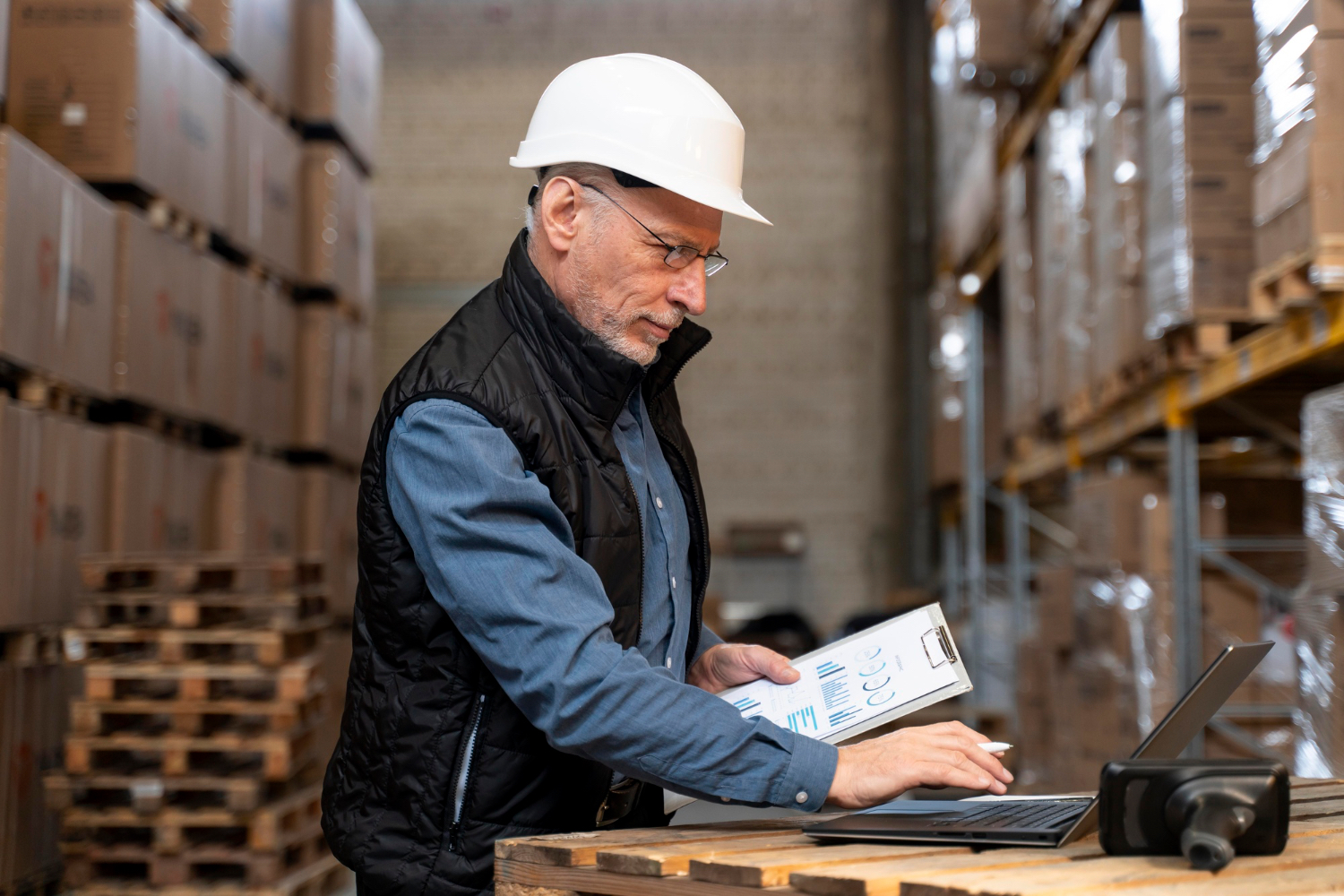
Ask a plant manager in Houston, Texas, where the money goes in a liquid process, and the answer is rarely “the ingredients.” It’s the pumping, pouring, forklift trips, extra vessels and cleanup that happen between receiving and shipping. Every time a product moves from one container to another, it costs labor, time, and some product gets left behind.
So here’s a simple question: what if more of the work happened right where the material already sits? That idea is called in-container processing, and it’s gaining attention across chemicals, coatings, food ingredients and more. This friendly guide explains how it works, where the savings tend to appear and what to check first.
Where Material Handling Costs Hide
Most plants track raw material prices closely but overlook the handling around them. The expense shows up in places that rarely get their own line on a report:
- Labor: Operators connecting hoses, moving containers and monitoring transfers
- Equipment time: Forklifts, pumps and mixing vessels tied up for routine moves
- Product loss: Residue clinging to hoses, pumps and tank walls
- Cleaning: Every vessel a product touches must be cleaned before the next batch
- Floor space: Staging areas and spare tanks that exist only to hold material in transit
Each item looks small alone. Added together across a shift, a week and a year, they form a steady drain that’s easy to accept as “just how things work.”
What In-Container Processing Means
In-container processing simply means doing the work inside the container the material arrives or ships in, instead of moving it into a separate vessel first. For liquids, that often means blending, re-suspending settled solids or keeping a product uniform directly inside an intermediate bulk container, commonly called a tote.
The goal isn’t to remove every transfer. Some products still need dedicated tanks, heating or filtration. The goal is to remove the transfers that exist only out of habit.
Following One Batch Through the Plant
The easiest way to spot savings is to trace one batch from dock to dispatch and count the touches. A typical conventional path looks like this:
- The tote arrives and is staged until a mixing tank is free.
- The product is pumped into the tank, leaving some behind in the tote.
- It’s mixed, then pumped again to a filling line or storage.
- The tank, pump and hoses are cleaned before the next product.
In-container processing can shorten that path by mixing in the tote and feeding the line directly from it. Depending on the process, this may eliminate a transfer step and reduce cleaning associated with a separate mixing vessel. The mixer and any remaining product-contact equipment still require appropriate cleaning. Whether this approach makes sense depends on the product and the processing requirements, but counting each handling step is useful on its own.
The Safety Side of Fewer Transfers
Handling is not only a cost issue; it can also affect worker safety. Moving containers, connecting hoses, and manually transferring products can introduce lifting, handling, and spill hazards. Reducing unnecessary transfers may reduce exposure to some of these tasks, but every plant should assess its own equipment, work practices, and safety requirements.
In-container mixing does not eliminate the need for safe tote handling, suitable mixer mounting, guarding, or appropriate operating procedures. Any proposed process change should be reviewed as part of the plant’s normal safety assessment.
How Mixing Inside the Tote Works
Liquids stored for several days can separate as solids settle and layers form. Instead of transferring the contents to another tank, a suitable mixer may be mounted on the tote to blend or re-suspend its contents. Some IBC tote mixers use folding impellers that pass through compatible tote openings and expand during operation, allowing mixing without modifying the container. Mixer compatibility depends on the tote design, opening dimensions and mounting arrangement.
Drive type also matters. Electric mixers can use variable frequency drives to adjust speed, while pneumatic models operate using compressed air. Direct-drive units generally suit thinner liquids, whereas gear-reduced designs provide more torque for thicker materials.
For applications where ingredients settle during storage, an appropriately selected IBC tote mixer can help restore product uniformity without transferring the contents into a separate mixing vessel. Cedarstone Industry offers electric and pneumatic tote mixing solutions for different liquid properties and processing requirements. Proper selection depends on the required mixing duty and the tote configuration.
Questions to Ask Before Choosing Equipment
Not every product or tote suits this approach. Before committing, work through a short list:
- Viscosity and density: Will the mixer move the product without stalling?
- Solids content: Are particles likely to settle or clump?
- Mixing goal: Blending, re-suspending or simply keeping a product uniform?
- Tote size and shape: Does the geometry allow proper circulation?
- Environment: Is explosion-proof or air-powered equipment needed?
Tote construction and mounting: can the tote opening, supporting frame and mounting arrangement safely accommodate the mixer and operating forces?
- Cleaning needs: How will the shaft and impeller be cleaned between products?
Answering these questions with real samples and real tote dimensions prevents most disappointments. Ask any supplier to discuss limits as openly as benefits.
Building a Business Case Step by Step
Before changing a line, gather a few simple numbers. Time one batch from receiving to filling, then note how many people touch it. Estimate how much product remains in vessels and hoses, and how long cleaning takes.
Run a trial on one product with a well-defined problem, such as a slurry that settles quickly. Compare results after a few weeks, including operator feedback. Small, measured trials produce better decisions than broad assumptions, and they give finance teams something concrete to review.
Conclusion
Material handling costs rarely announce themselves, yet they accumulate in every pump, hose, vessel and cleaning cycle between receiving and shipping. In-container processing offers one practical way to trim that chain by doing more of the work where the product already sits.
It won’t suit every formulation, and thoughtful testing matters more than any claim. Start by tracing a single batch, count the touches, and pick one product where a transfer clearly adds little value. If the trial shows less labor, less waste and fewer manual moves, you’ll have evidence worth building on.







 Business Programs


Leave a Reply
Want to join the discussion?Feel free to contribute!