 A VETERAN OWNED SMALL BUSINESS |
How to Choose Reliable Components for Steel Building Projects
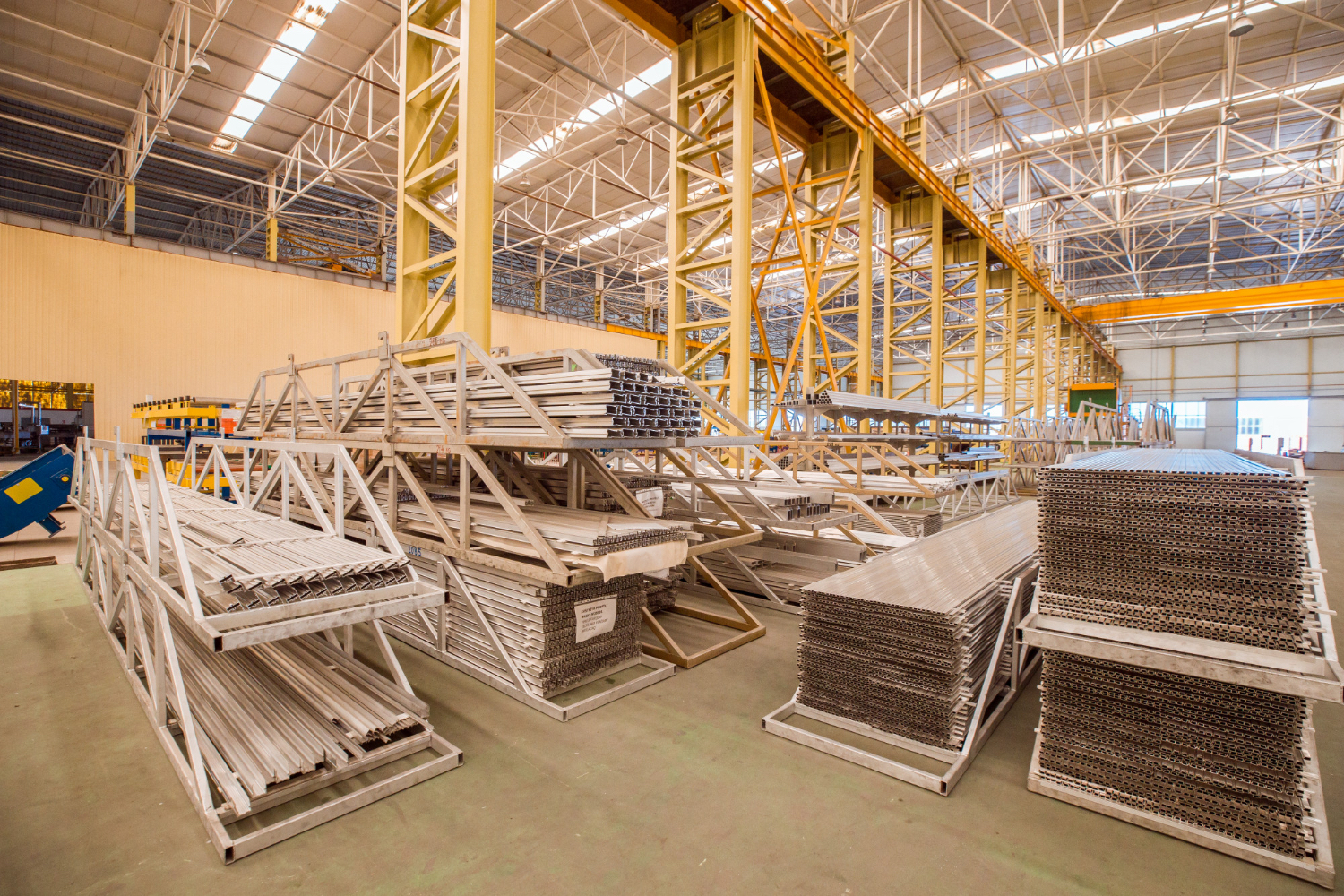
Steel building projects rarely fail because of design alone. A large share of problems comes from material decisions made early in a project. In fact, industry studies[1] show that rework can account for 2.4% to 20% of total project costs, often due to material quality issues or installation errors.
These early choices directly affect safety, durability, and long-term maintenance. When decisions are rushed, even strong structures can lose performance over time. This article breaks the process into clear, manageable steps. Each section highlights a practical area that builders and planners should review closely.
The goal is to reduce risk, improve performance, and support smoother project execution. By understanding standards, suppliers, protection methods, and inspection practices, decision-making becomes simpler and more reliable.
Confirm Steel Grades and Industry Standards
Material quality sets the foundation for every structure. Steel grades determine how well a frame handles loads and stress. Using verified standards ensures consistency across beams, columns, and secondary members. Industry-recognized grades help engineers accurately predict performance. This reduces surprises during installation and long-term use. Documentation also supports compliance with building codes.
Mill certificates play an important role here. These records confirm chemical composition and strength values. Without them, material performance becomes uncertain. Builders should never rely on assumptions when standards exist. Consistency across materials improves alignment and stability. When steel meets recognized benchmarks, construction teams work with confidence. This step supports safety, efficiency, and predictable outcomes from start to finish.
Evaluate Supplier and Manufacturer Reliability
Choosing the right supplier plays a major role in how smoothly a steel project moves forward. Reliable manufacturers follow clear quality systems and proven engineering standards. Certifications help confirm consistency across production and testing. This reduces the risk of delays caused by rejected materials or site failures. Beyond primary steel members, equal attention should go to supporting components such as fasteners, bolts, panels, and connection hardware. These parts may seem small, but they directly affect alignment, load transfer, and long-term structural stability.
This is where experienced suppliers make a noticeable difference. Companies like Butler Manufacturing Parts help builders source dependable metal building fasteners that meet structural requirements and environmental conditions. Consistent manufacturing standards help reduce on-site adjustments and installation issues. When components arrive ready for use, teams stay on schedule. Reliable sourcing supports both construction efficiency and long-term building performance.
Select Components That Handle Weather and Corrosion
Environmental exposure affects steel performance over time. Moisture remains a leading cause of deterioration. Proper surface treatment slows corrosion and extends service life. Galvanized coatings protect steel from rust in damp conditions. This becomes especially important for exterior and roof elements.
Climate also influences panel selection and joint design. Roofing and wall panels must be properly sealed to prevent water intrusion. Coastal or high-humidity areas demand added protection. Specialized coatings or stainless materials reduce long-term damage. Planning for weather conditions early prevents future repairs. Durable components help structures maintain strength and appearance. Thoughtful material selection supports longevity without adding unnecessary maintenance demands.
Key weather considerations include:
- Galvanized coatings for moisture resistance
- Panel profiles that improve overlap and sealing
- Corrosion protection for coastal environments
Pay Close Attention to Connection Hardware
Connections hold the structure together under stress. Even strong framing fails if joints are weak. Hardware quality affects load distribution and movement control. Certified bolts and fasteners provide predictable performance. Standard hardware may not meet structural demands.
Welding practices also matter during fabrication. Recognized welding standards reduce defects at joints. Poor welds create hidden risks that surface later. Inspection records help confirm proper execution. Builders should verify that all connections meet design specifications. Attention to these details supports safety and stability throughout the building’s lifespan. Strong connections protect assets and reduce future structural concerns.
Important connection checks include:
- Certified high-strength bolts and nuts
- Compliance with recognized welding standards
- Proper torque and installation methods
Inspect Materials Before Installation
On-site inspection prevents costly issues later. Even certified materials can suffer damage during transport. Visual checks reveal cracks, warping, or coating damage. Identifying problems early avoids delays during installation. Storage practices also influence material condition.
Steel components should remain elevated off the ground. This reduces moisture exposure before use. Simple bend tests can reveal brittleness in questionable pieces. These steps require minimal time but offer strong protection. Careful inspection supports smoother assembly and better final performance. Builders who verify materials on delivery reduce risk and maintain project momentum.
Conclusion
Reliable structures begin with informed material decisions. Each step, from standards verification to supplier evaluation, plays a role. Weather protection and strong connections support long-term performance. On-site inspection adds a final layer of assurance. When these elements align, projects move forward with fewer disruptions. Thoughtful planning reduces risk and improves outcomes. By focusing on quality at every stage, builders create structures that perform as intended and stand the test of time.
Related content from StrategyDriven








 Business Programs

Leave a Reply
Want to join the discussion?Feel free to contribute!