 A VETERAN OWNED SMALL BUSINESS |
Trends and Insights on Apartment Living in Rhode Island: Meeting Urban Housing Demands
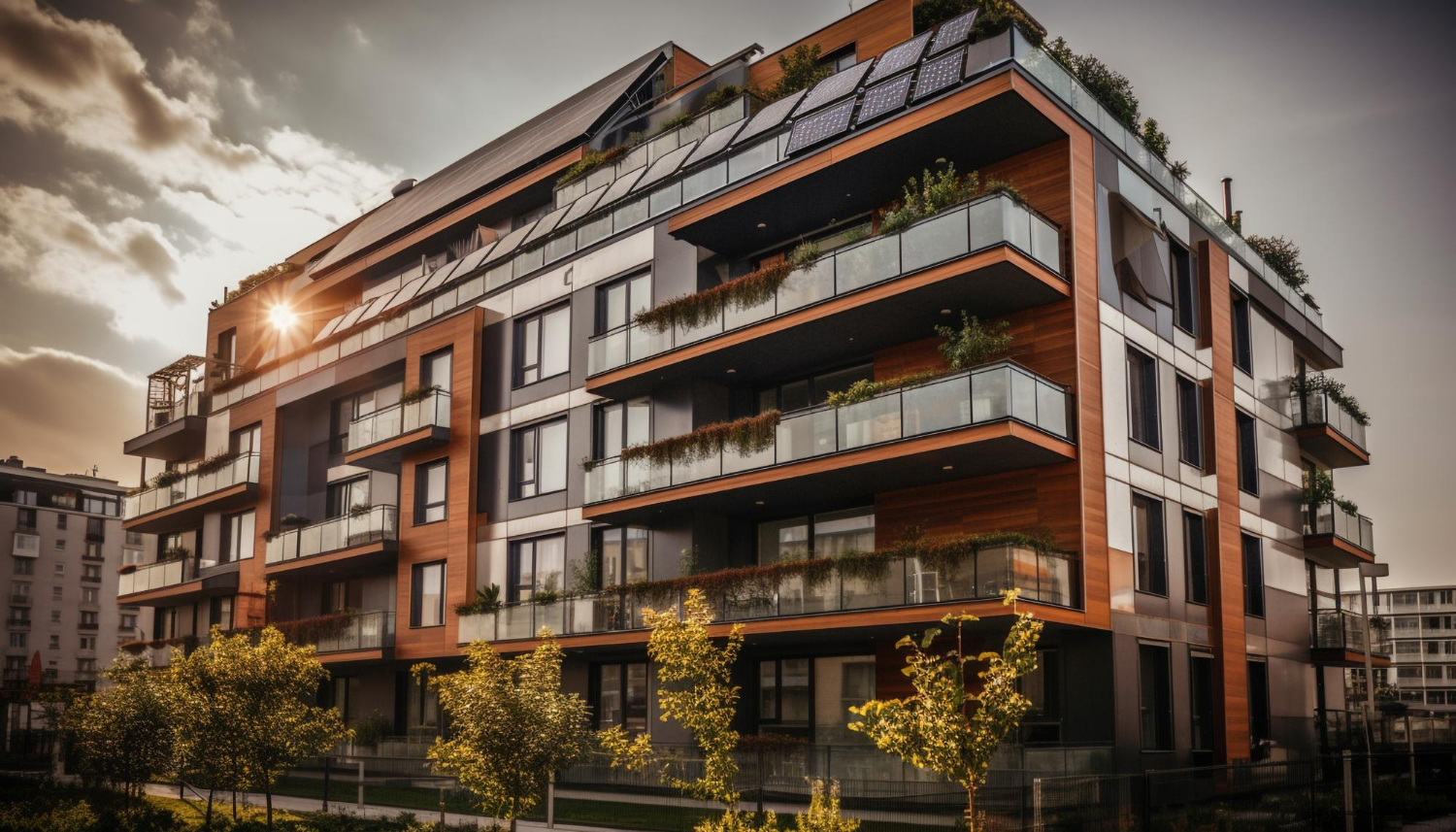
Understanding how apartment living is evolving in Rhode Island is essential for residents, investors, and property managers alike. The state’s unique mix of historic cities, coastal towns, and vibrant communities creates a distinct housing environment that mirrors larger national trends while reflecting local identity. As more people move into urban areas such as Providence and Warwick, the demand for well-managed apartment spaces is increasing. This is where the expertise of local professionals, such as property management Rhode Island, becomes essential for meeting both modern renter expectations and property owners’ needs.
Just as larger cities face challenges brought by new economic shifts and lifestyle preferences, Rhode Island is experiencing its own surge in creative housing solutions. Innovative developments, amenity-rich communities, and environmentally conscious living are transforming the residential fabric of the Ocean State. Let’s explore the key trends and factors shaping apartment living in Rhode Island today.
Urbanization and Housing Demand
Rhode Island, the smallest state in the country, boasts some of New England’s most densely populated cities. Urban growth in places like Providence, Pawtucket, and Newport means more demand for apartment housing. According to data from the U.S. Census Bureau, population growth in Rhode Island’s urban core is outpacing the state average, reflecting a national shift toward city living for access to jobs, entertainment, and public amenities. This urbanization fuels a continuous cycle of development and renewal in apartment buildings and rental communities.
Adaptive Reuse and Conversion Projects
Old mills, factories, and historic buildings are part of Rhode Island’s unique architectural heritage. In recent years, developers and city planners have ramped up adaptive reuse projects, converting these spaces into modern apartments. In Providence, for example, former factories along the waterfront are now trendy residences offering character and convenience. By reimagining existing structures, these projects preserve Rhode Island’s history while addressing the high demand for rental housing. The rise in office-to-apartment conversions has also proven crucial as remote work reduces demand for commercial office space, freeing up property for conversion into housing.
Amenities and Lifestyle Preferences
Today’s Rhode Island renters prioritize both location and lifestyle-enhancing amenities. Modern apartment communities are adding fitness centers, dog parks, communal gardens, and work-from-home lounges to attract tenants. Waterfront views, walkable neighborhoods, and sustainable design elements are particularly sought after in cities like Newport and Providence. According to a recent Apartment List report, apartments that offer these conveniences command higher rents and experience lower turnover, confirming the importance of aligning with changing lifestyle preferences.
Sustainability and Green Living
Rhode Islanders are increasingly interested in sustainable housing. Energy-efficient appliances, rooftop solar panels, and eco-friendly construction materials are no longer bonus features but expected offerings. Apartment communities securing LEED certification or incorporating green spaces are in high demand, particularly among younger renters and families aiming to reduce their environmental impact. The state’s coastal vulnerability to climate change further motivates both developers and tenants to pursue sustainable housing solutions that foster resilience and energy savings.
Flexible Leasing and Co-Living
The rental landscape in Rhode Island is adapting to shifting economic and social conditions. Flexible leasing options, including short-term rentals, furnished units, and co-living arrangements, make it easier for students, traveling professionals, and new residents to find suitable housing. These flexible options, which are trending in cities like Providence (home to prestigious universities), make a big difference for those who want affordability and community-driven environments without long-term commitments.
Technology Integration in Apartments
Across Rhode Island, technology is making everyday living both safer and more convenient for apartment dwellers. Features like keyless entry, security cameras, package lockers, and high-speed internet are becoming standard. Many property owners are also using online platforms for rent payments and maintenance requests. According to the National Association of Realtors, adopting smart technologies in apartments boosts property values and increases tenant satisfaction, especially among tech-savvy residents.
Remote Work and Housing Choices
The remote work revolution has reshaped Rhode Island’s rental market. With more employees working from home, there is increased demand for apartments with dedicated office space, bright natural light, and quiet surroundings. Some renters, previously tied to urban centers, are now seeking apartments in quieter towns along Rhode Island’s scenic coast or in suburban neighborhoods, creating a ripple effect across the state’s housing landscape. Landlords who offer flexible layouts and reliable internet access are better positioned to attract and retain these types of tenants.
Conclusion
Apartment living in Rhode Island is changing as rapidly as the state itself, shaped by urbanization, creative reuse of space, lifestyle priorities, sustainability concerns, and technological advances. For residents and investors, understanding these trends helps them make informed housing decisions that reflect the distinct character and needs of the Ocean State.








 Business Programs

Leave a Reply
Want to join the discussion?Feel free to contribute!