 A VETERAN OWNED SMALL BUSINESS |
Best Practices for Fire Protection System Safety
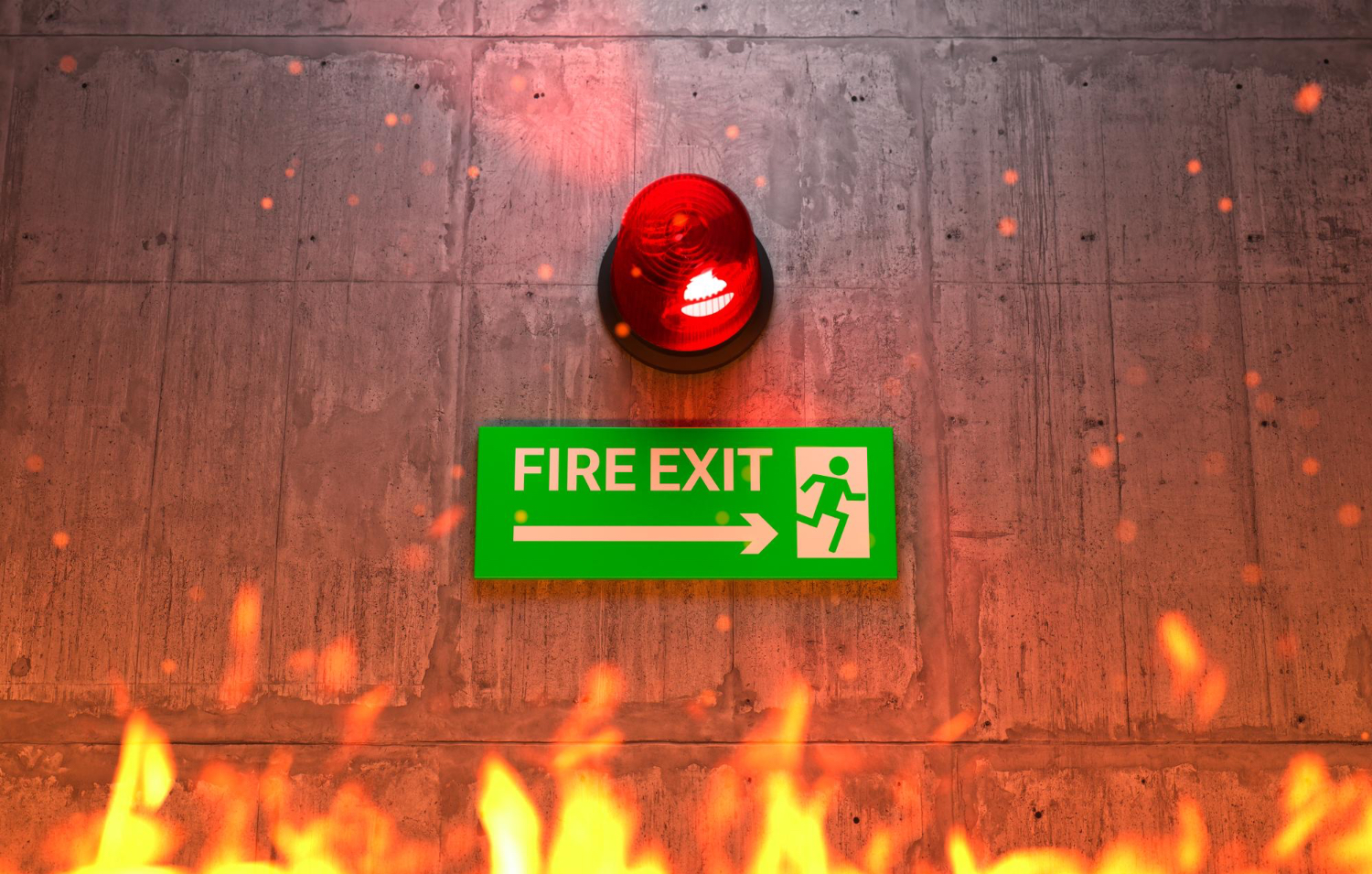
Ensuring the safety of building occupants and the integrity of property relies heavily on proactive fire protection measures. The installation and ongoing maintenance of fire protection systems are fundamental to this strategy. From regular assessments to integration of new technologies, effective fire safety protocols must be consistent to provide reliable protection. For businesses and property managers looking to safeguard their premises, Valley Fire Control remains an invaluable resource for professional fire system solutions and guidance. Initiating proactive safety involves not just compliance but a culture of preparedness. Meticulous upkeep and staff training significantly enhance a building’s resilience to fire events, limiting damage and ensuring prompt response when emergencies do occur. Beyond satisfying regulatory obligations, these best practices build confidence for occupants and stakeholders alike. Adopting a holistic approach can improve insurance outcomes and even prevent loss of life.
New fire safety standards are continually developed to account for advances in building materials and technology. Remaining current with these changes allows property managers to support safer environments and minimize disruption. Proper emergency preparation and training ensure everyone in the building is ready, reducing panic and confusion during a real event. Collaboration with local fire authorities also provides a crucial advantage, bridging the gap between regulatory guidelines and onsite realities. A coordinated effort ensures that your systems are functioning as intended and that local responders are familiar with your building layout and fire safety systems in the event of an emergency.
Importance of Regular Maintenance
Effective fire protection systems require consistent maintenance to ensure they remain operational during emergencies. One of the chief dangers in fire safety is complacency following an installation or successful periodic inspection. Over time, valves can seize, batteries can lose charge, and water pressure can fluctuate. A poignant example occurred in Tracy, California, where a warehouse fire exposed the devastating consequences of deferred maintenance when sprinkler systems failed despite prior inspections. This highlights the crucial need for consistent and thorough system checks beyond a simple visual review. The National Fire Protection Association (NFPA) recommends establishing routine inspection schedules for all fire safety devices, including smoke detectors, alarms, sprinklers, extinguishers, and emergency lighting. Inspections should be documented and conducted by qualified professionals, as this creates a record useful not only for liability purposes but also for diagnosing system weaknesses and organizing timely repairs.
Compliance with Updated Fire Codes
Regulatory frameworks governing fire protection evolve in response to changing technologies and emerging risks. Adhering to the latest local and national fire codes is a foundational best practice that offers protection beyond simple legal compliance. For example, the National Electrical Manufacturers Association (NEMA) routinely publishes new codes and guidance documents as technology and safety standards change, such as the recent focus on data center fire safety. Staying informed about code updates ensures systems are equipped to handle new hazards and do not fall behind in terms of functional requirements. Non-compliance can result in significant insurance penalties, costly fines, or the forced shutdown of building operations following an inspection failure. Engaging with certified fire safety contractors for periodic code reviews is a vital practice that reduces risk and ensures peace of mind for building owners and tenants.
Training and Emergency Planning
Even the most sophisticated fire protection system is rendered ineffective if building occupants are unprepared. An ongoing training program is the backbone of practical fire safety. Staff and residents must know how to operate fire extinguishers, recognize alarm signals, and respond promptly to evacuation orders. Clear, updated evacuation routes displayed throughout the property further assist in safe navigation during an emergency. Organized drills and scenario planning provide essential experience and reveal potential inadequacies in evacuation plans. The Occupational Safety and Health Administration (OSHA) suggests that evacuation plans should be tailored to the building’s specific needs, and that drills should be reviewed and adjusted after each exercise. Routine training instills calm, effective response patterns for both routine incidents and rare, catastrophic events.
Integration of Advanced Technologies
The rapid advancement of technology presents new challenges and opportunities for fire safety. Integrating cutting-edge solutions such as intelligent smoke detectors, networked alarm systems, and battery safety controls can significantly enhance fire prevention capabilities. The development of comprehensive safety standards for modern hazards, such as lithium-ion batteries, reflects the need for spaces to address new risks as they arise. New systems can often be retrofitted into existing infrastructure, though they require specialized knowledge for correct installation and maintenance. By monitoring technological trends and integrating them into ongoing safety strategies, property managers enhance system reliability and future-proof their investments.
Collaboration with Local Fire Departments
Establishing strong relationships with municipal fire departments delivers tangible safety benefits. Firefighters possess in-depth local knowledge and can help owners tailor fire protection systems to local building codes and community risk factors. Routine system walkthroughs with fire professionals ensure regulatory alignment and allow first responders to become familiar with building layouts, exits, and on-site equipment. Cooperative efforts can also streamline post-incident investigations, accelerate approvals for building modifications, and foster ongoing education for both property owners and public safety agencies. This community-centered approach ultimately enhances whole-neighborhood resilience and ensures faster, more effective responses when fires occur.
Conclusion
Best practices in fire protection system safety extend well beyond installation. Regular, professional maintenance, staying up to date with evolving codes, comprehensive occupant training, adoption of modern technologies, and meaningful collaboration with local fire departments form the backbone of effective fire safety. Applied together, these measures create a safer environment, preserve property, and safeguard lives. When consistently implemented, they also help organizations identify risks early, respond more effectively during emergencies, and reduce potential downtime or financial loss caused by fire incidents. In addition, routine drills and inspections strengthen readiness and ensure that both systems and people function as intended under pressure. A proactive, layered approach to fire safety not only meets regulatory expectations but also builds long-term resilience, giving building owners and occupants greater confidence and peace of mind in everyday operations and critical situations.









 Business Programs
Leave a Reply
Want to join the discussion?Feel free to contribute!