 A VETERAN OWNED SMALL BUSINESS |
Thread Cutting Fasteners Create Their Own Path Instead of Following One
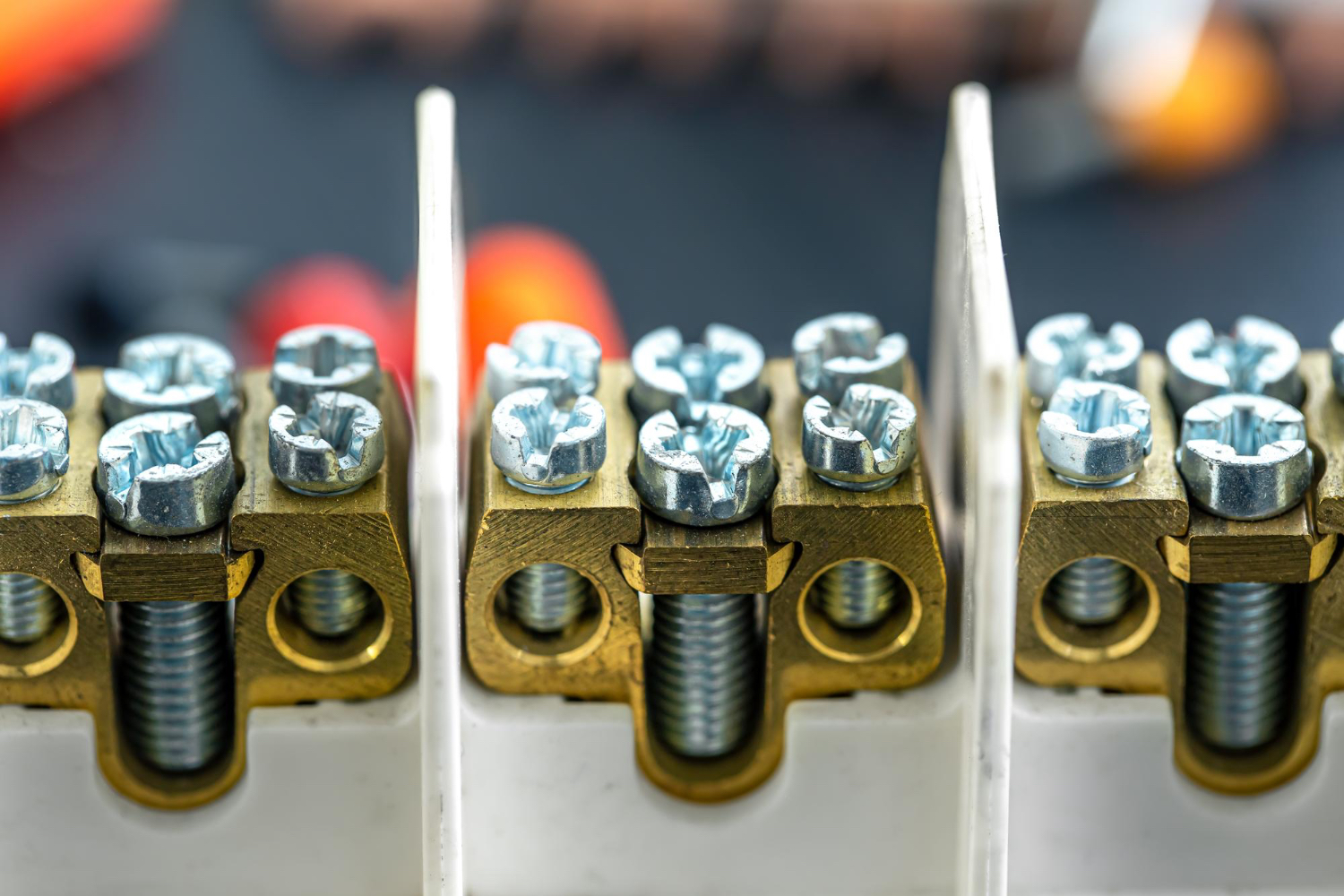
Fasteners rarely get credit for solving problems before they start. Thread-cutting screws manage this task by cutting their own groove into material instead of relying on a pre-formed one. The result is a firmer grip, faster installation, and fewer stripped holes. Builders in metalworking, construction, and equipment assembly rely on this daily. This post explains why thread-cutting fasteners behave differently and where they earn their keep on the job.
How Thread Cutting Screws Work
A standard screw needs threads already cut into a nut or hole. Thread-cutting screws skip that step. Their fluted tip shaves away material as it turns, forming threads that match its profile. This works well in metal, plastic, and dense composite panels alike. Crews looking for reliable hardware often turn to industrial thread-cutting screws when speed and holding strength both matter. The fastener adapts to the surface rather than waiting for a matching cavity to exist.
Flutes and Chip Removal
Flutes along the shank work like small channels. As the screw drives forward, shavings collect in these grooves and clear out of the joint. Clean removal keeps the hole free of debris and cuts down resistance while driving. Without this feature, loose material would pack around the threads and weaken the connection over time.
Where These Fasteners Perform Best
Sheet metal enclosures, electrical panels, and HVAC ductwork all benefit from this type of hardware. Assemblers work with thin-gauge steel as quickly as a cutting tip bites into the surface. Appliance manufacturers favor this option too, since production lines move faster without a separate tapping stage. Automotive panel work follows a similar pattern; technicians often need strong joints without extra prep time.
Repair technicians find these screws useful as well. Field conditions rarely allow for tapped holes, so a fastener that forms its own path saves time and cuts down on tool requirements on site.
Material Considerations
Steel, aluminum, and rigid thermoplastics all respond well to thread-cutting designs, though thickness plays a role in performance. Thin sheets need shallower flutes to avoid tearing the material, while thicker stock calls for a longer cutting edge. Picking the wrong length can strip the newly cut threads before a joint tightens fully.
Corrosion resistance matters too, especially outdoors or in humid conditions. Coated or stainless options extend service life without changing how the screw performs during installation. Choosing the right coating protects both the fastener and the surrounding assembly from long-term wear.
Matching Screw to Surface
Every material reacts differently under torque. Softer plastics can crack if driven too fast, while dense metals need steady pressure and a slower approach. Testing a sample piece before full production helps confirm the right combination of speed, pilot size, and screw length.
Installation Practices That Matter
Pilot holes still shape the outcome, even with cutting-style threads. A hole that’s too small increases resistance and can snap the fastener. One that’s too large removes the benefit of a tight cut altogether. Manufacturers typically publish recommended pilot dimensions based on material type and thickness.
Driver speed matters here too. Running too fast generates heat, which can dull the cutting tip and shorten its lifespan. A controlled, moderate speed lets the flutes clear debris properly while forming clean threads. Technicians who follow manufacturer guidance see fewer failed joints and longer fastener life over repeated use.
Torque settings deserve attention as well. Too much force strips the newly formed threads; too little leaves the joint loose under vibration. Calibrated drivers help maintain consistency across large production runs.
Conclusion
Thread-cutting screws solve a practical problem by forming their own threads instead of depending on a pre-tapped hole. This quality speeds up assembly, cuts down on tool requirements, and holds firm across metal, plastic, and composite materials. Choosing the right length, pilot size, and driving speed keeps every joint secure. For teams that value efficiency alongside strength, these fasteners belong in any hardware inventory worth trusting.









 Business Programs
Leave a Reply
Want to join the discussion?Feel free to contribute!