 A VETERAN OWNED SMALL BUSINESS |
Healthy Smiles for Life: Best Practices in Preventive Dental Care
Maintaining a healthy, beautiful smile is an important part of total wellness for individuals of all ages. Preventive dental care is the cornerstone of avoiding oral health problems before they start and enjoying confident, lifelong smiles. Staying proactive with your oral hygiene results in fewer dental issues, better breath, and better general health. For those seeking thorough protection or restoration, options like dental implants may play a significant role in a complete and confident smile.
Taking control of your oral health by building positive routines and staying informed about advances in dental science can set you up for success well into the future. Preventive care not only supports the look of your teeth but also preserves gum health and reduces risks for serious medical conditions. Read on to discover proven strategies to keep your teeth and gums in optimal condition for years to come.
Daily Oral Hygiene
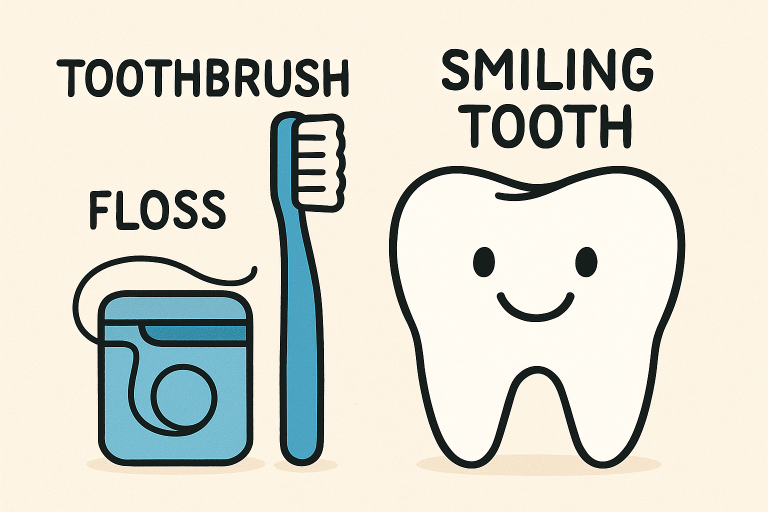
Establishing consistent daily oral hygiene habits is the most important factor in preventive dental care. Brushing twice a day with fluoride toothpaste using a soft-bristle toothbrush effectively removes plaque, helps prevent tooth decay, and keeps your gums healthy. Make sure to brush the outer, inner, and chewing surfaces of your teeth, and do not overlook brushing your tongue to reduce bacteria and maintain fresh breath. Flossing once daily is also essential, as it removes plaque and food particles from spots a toothbrush cannot reach, keeping gums healthy and reducing the risk of cavities and gum disease.
Balanced Diet and Nutrition
The foods you choose have a lasting impact on your oral health. Consuming a diet rich in fruits, vegetables, whole grains, and lean protein supports both strong teeth and resilient gums by providing essential vitamins and minerals. Limiting foods and drinks that are high in sugar or acid helps prevent enamel erosion and tooth decay. Drinking plenty of water, particularly fluoridated water, helps rinse away particles and bacteria and supports overall oral health. According to the Mayo Clinic, proper nutrition and limiting soda or sticky snacks play a central role in preventing cavities and gum disease.
Regular Dental Visits
Routine dental check-ups every six months are essential for catching potential issues early, before they become serious. Professional cleanings remove tartar (hardened plaque) that cannot be eliminated through brushing or flossing alone. These appointments also provide an opportunity for your dentist to screen for oral cancer and other diseases that may go undetected at home. Regular examinations reinforce good habits and can save you time, discomfort, and money in the long run.
Fluoride Treatments and Dental Sealants
Fluoride treatments and dental sealants offer added layers of protection for teeth. Fluoride helps strengthen enamel and enhance resistance to decay. Even communities with fluoridated tap water may benefit from extra fluoride through treatments at the dentist. Dental sealants provide a physical barrier on the chewing surfaces of back teeth, blocking out bacteria and leftover food particles. This is especially important for children and adolescents, whose developing teeth are more prone to decay. The Centers for Disease Control and Prevention reports that dental sealants can prevent 80 percent of cavities in the back teeth.
Impact of Lifestyle Choices
Your daily habits significantly influence your oral health. Smoking and the use of other tobacco products increase the risk of gum disease, tooth loss, and some forms of oral cancer. Excessive alcohol use can also harm gum tissue and raise cavity risks. Making positive changes such as quitting tobacco and moderating alcohol intake can result in marked improvements. Additionally, high stress levels can lead to habits like teeth grinding, which damages teeth and jaw joints. Practicing stress management techniques can protect your mouth as well as your overall well-being.
Connection Between Oral Health and Overall Health
Scientific research highlights the close link between oral health and systemic health. Poor oral hygiene is linked with an increased risk for serious conditions such as heart disease, diabetes, and stroke. Inflammation from gum disease may contribute to inflammation elsewhere in the body, affecting total health outcomes. Likewise, people with diabetes are more likely to develop gum disease and mouth infections. Taking preventive steps for your mouth can directly support the rest of your body and reduce your likelihood of developing additional health problems.
Emerging Technologies in Preventive Dentistry
New technologies continue to transform the field of preventive dentistry. Digital X-rays and advanced imaging systems let dentists spot issues sooner and with less discomfort than ever before. Artificial intelligence now supports more personalized care plans and boosts diagnostic accuracy. Innovations such as laser periodontal therapy and 3D-printed dental devices make in-office treatments more comfortable and efficient, while at-home advancements like smart toothbrushes help patients maintain proper technique between appointments.
Conclusion
Adopting preventive dental care practices is one of the best investments you can make in your lifelong health. By practicing diligent daily hygiene, making informed dietary choices, keeping up with regular dental appointments, and staying up to date with new technologies in oral care, you can enjoy a vibrant smile and safeguard your long-term well-being. Empower yourself and your family with these healthy habits, and celebrate the benefits of a beautiful smile for life.









 Business Programs

Leave a Reply
Want to join the discussion?Feel free to contribute!