 A VETERAN OWNED SMALL BUSINESS |
How Garnadi Is Challenging Traditional Automotive Manufacturing Through Hyper Personalization
For more than a century, the automotive industry has largely followed the same blueprint. Manufacturers design a vehicle, build it at scale, distribute it to dealers, and measure success by the number of units sold. Whether serving the mass market or the luxury market, the objective has typically remained the same: increase production, improve efficiency, and reach a larger audience.
A growing segment of the luxury automotive world is beginning to challenge that model. Among affluent collectors, there is increasing demand for vehicles that feel less like products and more like personal commissions. These individuals are not simply searching for transportation or even performance. They are seeking exclusivity, craftsmanship, and a level of personalization that cannot be found through traditional manufacturing processes. In many cases, they want to be involved in the creation of the vehicle itself.
This shift is creating opportunities for brands that are willing to rethink how luxury vehicles are designed, engineered, and brought to market. Rather than focusing on production volume, some companies are embracing scarcity, personalization, and long-term value as defining elements of their business strategy.
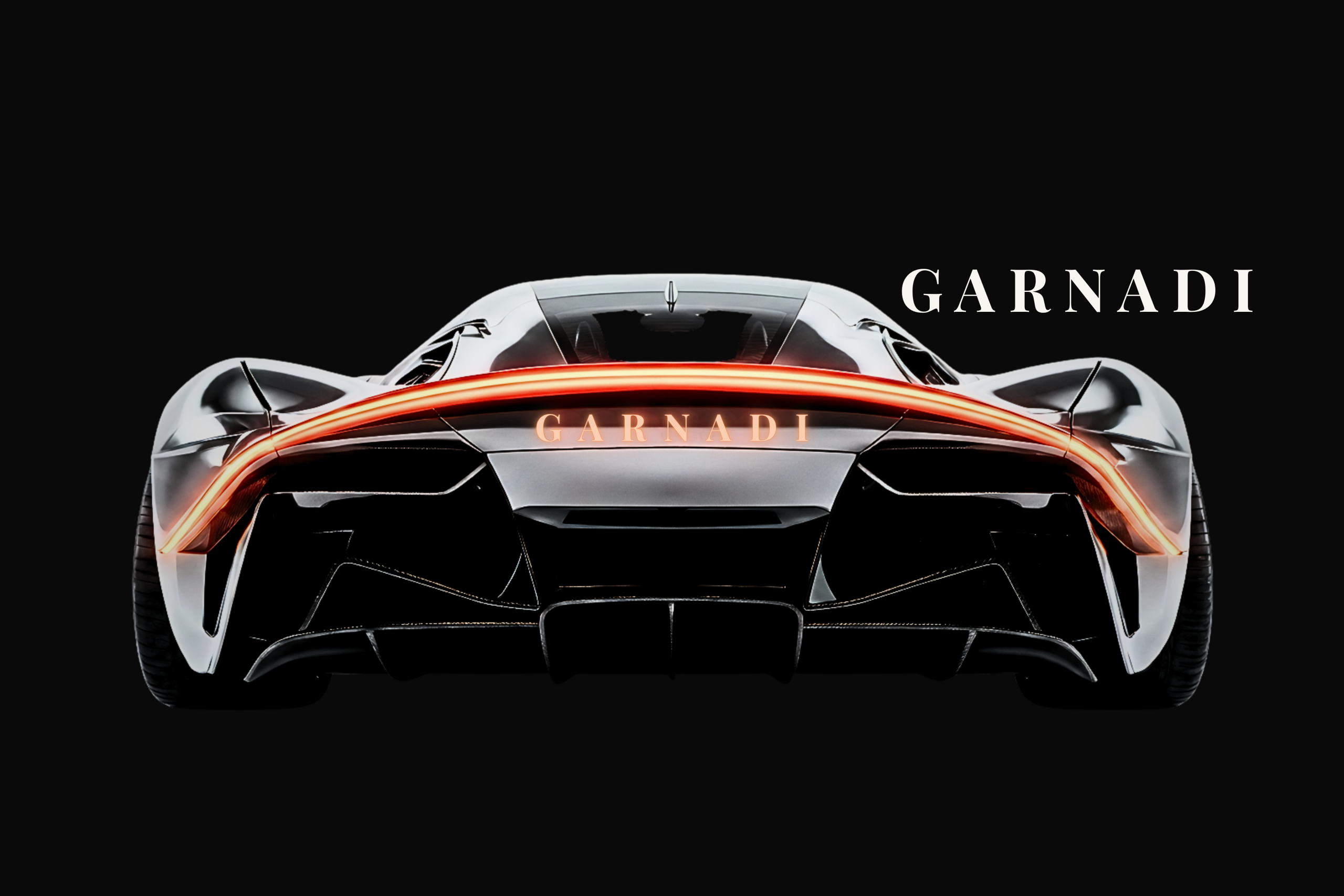
One example is Garnadi, a luxury mobility and design company that recently launched with a vision centered around hyper-personalized vehicles and collectible assets. The company plans to limit production of its inaugural hypercar program to fewer than 50 vehicles annually. Each vehicle is developed through a private commissioning process that allows collectors to collaborate directly with the design and engineering teams to create something that reflects their personal vision.
“We are seeing a growing number of collectors who want more than ownership,” said Omila Mannapperuma, Founder of Garnadi. “They want participation. They want to be involved in shaping something that reflects their tastes, experiences, and aspirations. The vehicle becomes part of their story. Our collectors are not consumers. They are curators of significance.”
That philosophy stands in contrast to the traditional automotive model where buyers select from a list of available packages and options. Garnadi’s approach begins with a conversation rather than a configuration sheet. Collectors are invited to explore design themes, materials, finishes, lighting concepts, and other elements that help shape a one-of-one vehicle.
The company’s inaugural hypercar, which carries a starting price of approximately $9 million, is intended to serve as both a high-performance vehicle and a museum-grade collectible asset. Rather than building hundreds or thousands of identical vehicles, Garnadi‘s strategy focuses on creating a limited number of highly individualized commissions for collectors around the world.
According to Jason Rupert, Co-Founder and Head of Design, delivering that level of personalization requires a fundamentally different approach to vehicle development. “Traditional automotive engineering is designed around repeatability,” he said. “When every commission is unique, the process becomes much more collaborative. Our responsibility is to ensure that every personalized element works seamlessly within the vehicle while maintaining performance, reliability, safety, and engineering integrity.”
The challenge is particularly significant because today’s collectors are requesting levels of customization that extend far beyond traditional luxury options. Many want bespoke materials, custom lighting environments, individualized design signatures, unique interior treatments, and details that cannot be replicated for another owner.
As demand for personalization grows, the concept of functional art is also gaining momentum within the luxury market. Collectors increasingly view vehicles through the same lens they apply to fine art, architecture, rare timepieces, and other highly collectible assets. They are looking for craftsmanship, rarity, emotional connection, and a compelling story.
For many, the value of ownership extends far beyond performance specifications.
“Luxury is evolving,” Mannapperuma said. “For many years, luxury was largely defined by access. Today, it is becoming much more personal. Collectors want products that feel meaningful. They want something that reflects who they are rather than simply what they own. They are preserving assets in their original form and commissioning pieces designed to endure for generations.”
Technology is helping make this level of personalization possible. Advanced digital modeling, simulation platforms, visualization tools, and modern manufacturing techniques allow engineers and designers to explore concepts and evaluate custom features before production begins. These technologies provide greater creative flexibility while helping maintain the quality standards expected within the luxury automotive market.
Even so, Garnadi’s leadership believes technology should remain in service of the owner’s vision rather than becoming the centerpiece of the experience.
“The technology allows us to bring ambitious ideas to life,” Rupert explained. “But the goal is never the technology itself. The goal is creating an exceptional vehicle that feels deeply personal to the collector who commissioned it.”
The company’s strategy also reflects a broader trend occurring throughout the luxury market. Increasingly, scarcity is becoming a competitive advantage. Collectors are placing greater value on products that are difficult to obtain, thoughtfully crafted, and produced in highly limited numbers. Rather than chasing volume, many luxury brands are focusing on creating more meaningful experiences for a smaller audience.
Garnadi is currently accepting private commissions and pre-orders from collectors in North America, Europe, the Middle East, and Asia. While the company intends to grow over time, its leadership views exclusivity as a permanent part of the brand’s identity rather than a temporary launch strategy.
For business leaders, the lessons extend beyond automotive manufacturing. Buyers across numerous industries are increasingly seeking products and experiences that feel more personal, more meaningful, and more reflective of their individual preferences. The desire for personalization is no longer limited to luxury markets.
As expectations continue to evolve, organizations may find themselves confronting the same question that companies like Garnadi are exploring today: How do you create something truly distinctive in a world built around scale?
For a growing number of brands, the answer may not be producing more. It may be creating less, investing more deeply in each experience, and ensuring that every product carries lasting significance. In the luxury sector, that significance is increasingly defined by rarity, personal involvement, collectibility, and legacy.










 Business Programs

Leave a Reply
Want to join the discussion?Feel free to contribute!