 A VETERAN OWNED SMALL BUSINESS |
Paid Advertising Is a Strategic Capability, Not a Switch You Flip
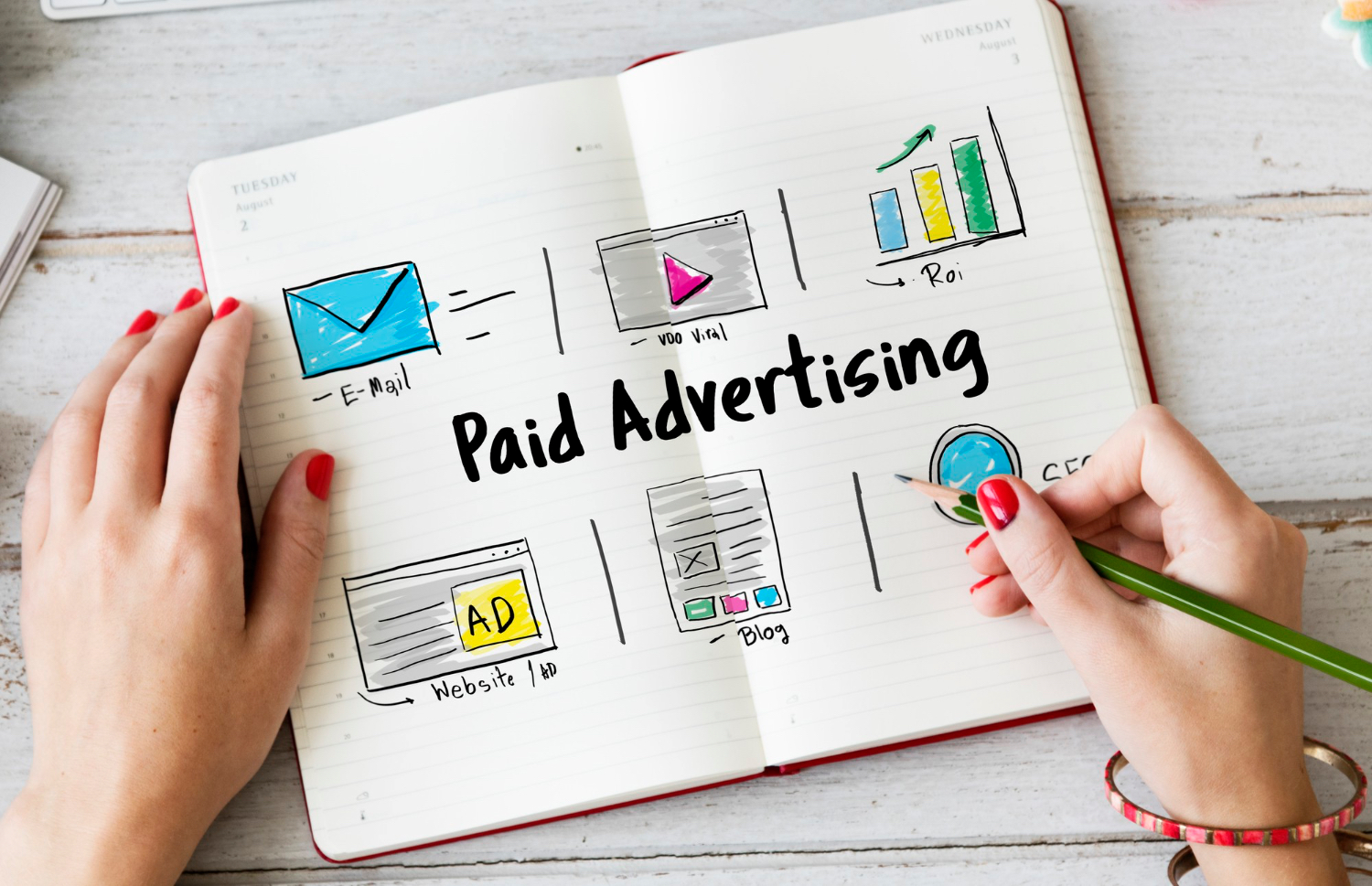
Every growing company hits the same moment. Organic growth plateaus, the board wants a steeper line, and someone says, “let us just run some ads.” A quarter later the spend has tripled and nobody can say whether it made a dollar.
The problem is rarely the ads. It is that paid advertising was treated as a switch to flip, not a capability to build. That capability can be built in-house or rented, whether from a local agency or a PPC in India team, but either way it has to be run as a system tied to the economics of the business. That is what separates campaigns that scale from the ones that quietly drain cash.
The Strategic Question Is Not “Should We Advertise”
It is “what is a customer worth to us.” Until you can answer that, every decision about paid media is a guess dressed up as a plan.
Two numbers frame the whole discipline. The cost to acquire a customer, and the value that customer delivers over their lifetime. Get the ratio right and paid advertising becomes a machine that turns one dollar into three. Get it wrong and it becomes an expensive way to buy strangers who never come back.
Everything tactical, the keywords, the creative, the bidding, exists only to move those two numbers closer together. Leaders who start there make good calls. Those who start with “which platform” rarely do.
Why Paid Acquisition Fails as a Tactic
Run as a one-off push, paid media almost always disappoints. Run as a system, it compounds. The difference comes down to a few things that a tactical mindset skips.
- No measurement spine. If you cannot trace a sale back to the click that produced it, you are not running a campaign. You are making donations and reading the thank-you note.
- No feedback loop. The value is in reading what happened last week and adjusting this week. A campaign nobody revisits is a subscription to waste.
- No patience for data. Killing a campaign after a handful of clicks is reading noise as signal. Systems are judged on a meaningful sample, not a bad Monday.
- No link to margin. Revenue vanity metrics feel good and prove nothing. The number that matters is what is left after the cost of the sale and the cost of the click.
Build It, or Rent It? The Real Trade-off
This is a resourcing decision, and it deserves the same rigor as any other hire versus outsource call.
Building in-house buys you control and deep context. It also costs a serious salary, a stack of tool licenses, and, most easily overlooked, the management attention to keep a specialist pointed at the right target. For many companies that is the right investment once paid media becomes core.
Renting the capability buys you speed and a bench of specialists for less than the cost of one senior hire. The trade is that you must manage a partner well, with clear reporting and a tight feedback loop. Neither answer is universally right. The wrong move is choosing on price alone and discovering the cost later.
What to Own Even If You Outsource
Outsourcing execution is fine. Outsourcing control is not. Whoever runs the day-to-day, keep these in your own hands.
- The ad accounts themselves. If you and a partner part ways, the account, the history, and the data stay with you.
- The definition of success. You decide what a win is, not the vendor whose bonus depends on the answer.
- The customer data and tracking setup. This is a strategic asset, not a vendor deliverable.
- The monthly narrative. Insist on the one number that matters and the reason behind it, in plain language.
Measure It Like a Strategist
Executives who treat paid media as a line of spend get spending. Those who treat it as an investment get returns. The difference is what you put on the report.
- Payback period. How long until a customer repays what it cost to acquire them. Shorter payback means you can reinvest faster and grow without burning cash.
- Contribution after acquisition. What each customer leaves behind once the sale cost and the ad cost are removed. This is the honest scoreboard.
- Trend, not snapshot. One month tells you weather. The direction over a quarter tells you climate. Steer by the climate.
The First Ninety Days of Building the Capability
A paid acquisition capability is built in a recognizable order. Rushing the sequence is how budgets get burned.
- Weeks one to four. Install measurement before spending. Define the win, connect the tracking, and agree what a customer is worth. This is the foundation, not the warm-up.
- Weeks five to eight. Start narrow on high-intent audiences, gather real data, and cut what does not convert. Expect to pay for learning in month one.
- Weeks nine to twelve. Double down on what worked, and only now consider widening. By the end of the quarter you have evidence, not opinions.
The Bottom Line
Paid advertising is not a growth hack, however much the interface makes it feel like one. It is a strategic capability that some companies build and others rent, and the winners in both camps run it as a measured system tied to unit economics.
Decide what a customer is worth. Track every dollar to a result. Own the assets even when others do the work. Do that, and paid media stops being a cost center and starts being one of the most predictable growth engines a business can own.
Frequently Asked Questions
1. How much should we budget to start?
Enough to gather meaningful data on a narrow, high-intent audience, and no more until you have it. Starting wide to “see what happens” is the fastest way to spend a lot and learn little. Begin small, prove the economics, then scale what works.
2. Should we build a team or outsource?
It depends on whether paid media is core to your model and how much management attention you can spare. Building buys control at a high fixed cost. Outsourcing buys a bench of specialists for less, provided you manage the partner and own the accounts. Many companies outsource first, then build once the channel proves itself.
3. How long before paid advertising is profitable?
Expect the first month to cost more than it returns, because you are buying data. Most well-run programs find their footing by the second or third month, once the losing keywords are cut and the budget moves to what converts. Anyone promising profit in week one is describing luck.







 Business Programs

Leave a Reply
Want to join the discussion?Feel free to contribute!