 A VETERAN OWNED SMALL BUSINESS |
The Importance of Regular Dental Check-Ups for Overall Health
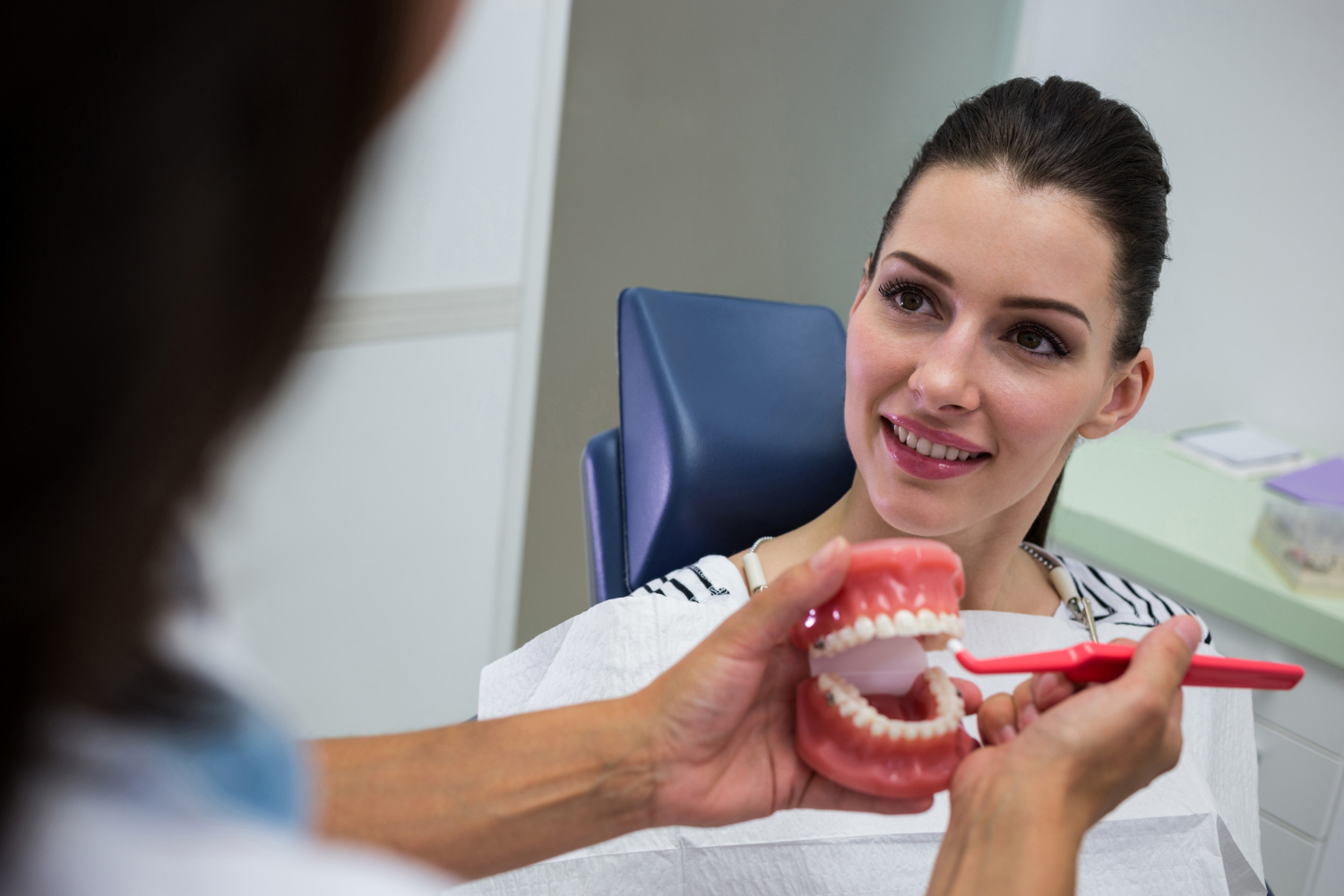
Maintaining proper oral hygiene goes far beyond having a sparkling smile. It plays an essential role in your overall health and quality of life. One of the most effective ways to safeguard your health is through routine dental appointments. Whether you are looking for dentists in the area or want to improve your self-care habits, understanding the broader impact of dental care can offer lifelong benefits.
Studies have shown that dental health is directly linked to the prevention of chronic diseases and can have both immediate and long-term impacts on well-being. By prioritizing regular dental check-ups, you protect yourself not just from cavities and gum disease but also minimize risks associated with other serious health problems. Taking care of your teeth is one of the fundamental steps toward sustaining good health at any age.
Early Detection of Dental Issues
One of the key benefits of regular dental visits is the early identification of dental problems. Conditions such as cavities, gum disease, and oral cancer may not show symptoms until they have progressed significantly. Dentists have the tools and training to spot issues early, enabling effective, minimally invasive solutions. Addressing these problems promptly prevents complications and often reduces the need for more serious procedures in the future.
Technology continues to revolutionize early detection capabilities in modern dentistry. Digital X-rays, intraoral cameras, and other advanced diagnostic tools help dentists find minute problems that may be invisible to the naked eye. This allows for a more in-depth examination and can catch issues like tiny cavities forming between teeth or early bone loss that signals gum disease. Early detection is especially beneficial for children, the elderly, and high-risk groups, whose oral health may change rapidly over short periods. Regular appointments foster a holistic approach, considering not just teeth but also jaw health, articulation, and even bite alignment.
Prevention of Gum Disease
Gum disease remains a leading cause of tooth loss among adults, and its impact extends far beyond the mouth. Untreated gum disease can increase your risk of heart disease and worsen diabetes symptoms. By attending regular cleanings, you allow professionals to remove plaque and tartar buildup, which are the primary culprits behind gingivitis and periodontal disease. The Centers for Disease Control and Prevention offers resources to help you understand and prevent gum disease.
It is important to note that gum disease can progress silently, with few warning signs in its early stages. Regular dental cleanings and exams provide opportunities to assess gum tissue, measure pocket depths, and monitor for subtle changes. In addition, professional advice on the best brushing and flossing techniques, as well as recommendations for helpful oral rinses or preventive treatments such as sealants, can ward off disease before it ever begins. The continued focus on prevention makes a lasting positive impact on oral and whole-body health.
Connection Between Oral Health and Chronic Diseases
Poor oral hygiene has been associated with an increased risk of several chronic illnesses, including cardiovascular conditions and diabetes. In particular, inflammation and bacteria associated with gum disease can contribute to arterial hardening and other systemic complications. According to research published by the Mayo Clinic, maintaining strong oral hygiene habits can play a pivotal role in reducing your risk for life-threatening conditions.
Beyond heart disease and diabetes, oral infections have also been tied to complications in respiratory illnesses, adverse pregnancy outcomes, and even cognitive health in older adults. Scientists are uncovering more ways in which oral bacteria can affect distant organs, such as the lungs and brain, underscoring why dental care should be considered a routine part of managing overall wellness. For those with existing medical conditions, such as autoimmune disorders or those managing cancer therapies, keeping up with dental visits can be integral in minimizing adverse effects and optimizing quality of life.
Impact on Mental Health
The health of your teeth and gums can have profound effects on your mental health. Many people with visible dental issues experience diminished self-esteem, becoming anxious or withdrawn in social settings. Chronic dental problems or ongoing pain may also fuel feelings of stress and depression. By maintaining regular dental appointments, you not only protect your physical health but also support a positive self-image and mental well-being.
The relationship between oral and mental health is complex and multidirectional. Persistent dental discomfort or embarrassment about appearance can lead to isolation and reduced participation in work or community activities. Furthermore, individuals suffering from anxiety or depression may neglect daily oral care routines, leading to a cycle of worsening oral and mental health. Dentists can act as allies in breaking this cycle, offering not only treatment but also compassionate support and referrals to mental health resources if needed.
Economic Benefits of Preventive Dental Care
Preventive dental care is more cost-effective compared to emergency treatment for advanced oral health problems. Research from Cigna suggests that those who invest in routine dental check-ups have fewer emergency room visits for dental conditions, resulting in considerable savings over time. Being proactive with your dental care schedule can significantly reduce the likelihood of costly, serious treatments down the road.
On a community level, widespread adoption of preventive care strategies can alleviate strain on healthcare systems and free up resources for other urgent medical needs. For families and employers, dental-related absences from school or work can be minimized, contributing to increased productivity and well-being. Insurance plans often cover preventive services at little to no out-of-pocket expense, highlighting the value placed on maintaining wellness through prevention rather than cure.
Recommendations for Maintaining Oral Health
- Brush your teeth thoroughly at least twice daily using fluoride toothpaste.
- Make flossing a daily habit to clear away plaque and food particles between teeth.
- Limit your intake of sugary drinks and foods to prevent decay.
- Book regular check-ups and professional cleanings every six months or as recommended.
- Avoid smoking and all tobacco products to reduce the risk of gum disease and oral cancer.
Incorporating these habits into your daily routine not only provides immediate benefits but also supports your long-term wellness and confidence.
Additionally, integrating a balanced diet rich in vitamins and minerals, especially calcium and vitamin D, helps support strong teeth and bone health. Drinking plenty of water throughout the day, using a mouthguard during sports, and replacing your toothbrush regularly are further steps that round out an effective oral care routine. If you have dental anxiety, talk openly to your provider; many clinics now offer sedation dentistry or other accommodations to make your visits stress-free. For children, establishing positive dental experiences early builds a lifetime of healthy habits and reduces fear associated with dental work.
Conclusion
Pursuing healthy dental habits, combined with regular professional care, can have lasting impacts on multiple aspects of your life. The sooner you prioritize these measures, the better your chances of maintaining a healthy smile and overall well-being for years to come.
Ultimately, your mouth is a gateway to your body; its condition reflects and affects your total health. Making dental health a cornerstone of your wellness routine enriches your quality of life physically, mentally, socially, and financially, yielding rewards that reach far beyond your next dental visit.









 Business Programs

Leave a Reply
Want to join the discussion?Feel free to contribute!