 A VETERAN OWNED SMALL BUSINESS |
5 Mineral Management Challenges That Can Undermine Asset Performance
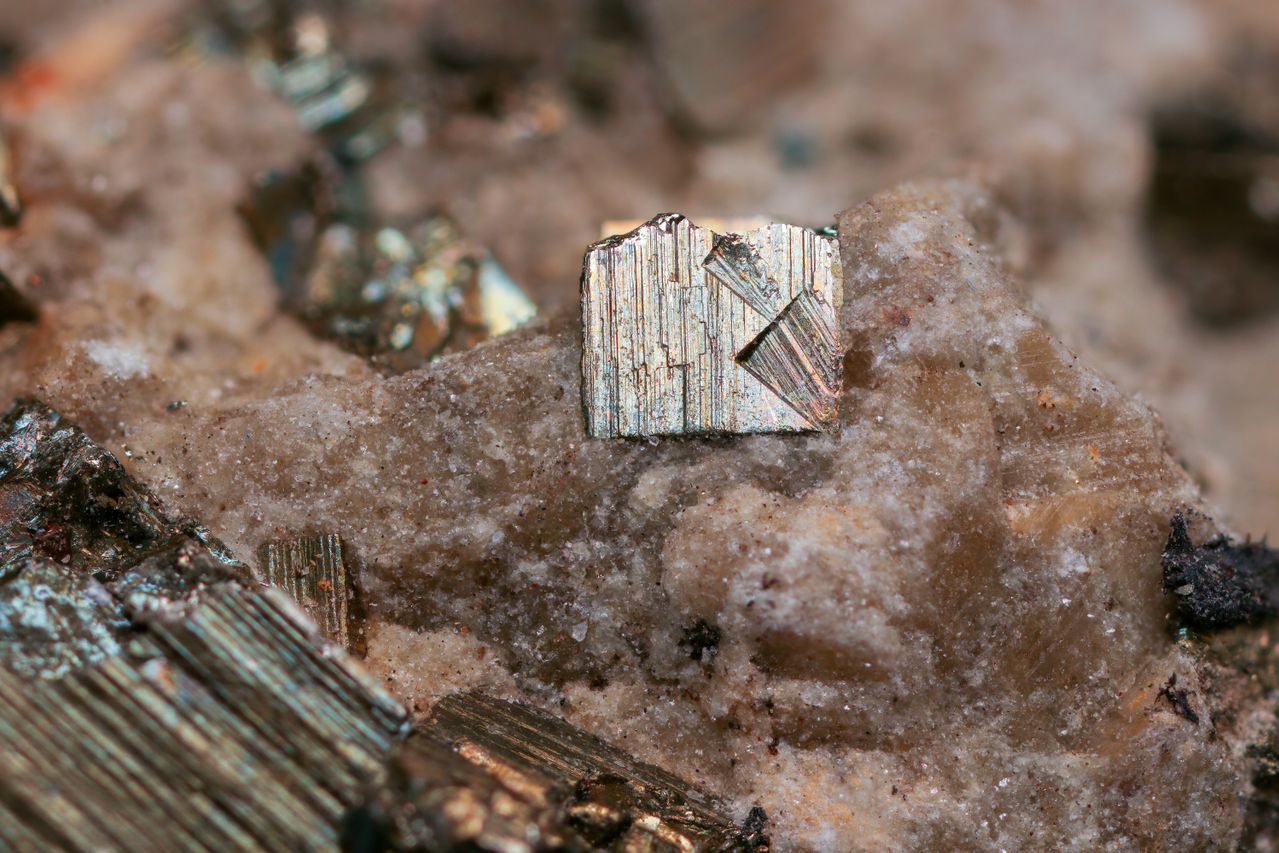
Owning mineral interests can create a valuable source of income, but the asset still needs to be managed carefully. Mineral management involves keeping ownership records current, reviewing royalty payments, tracking production, and staying on top of lease and title details. When these areas are overlooked, an asset can perform below its potential without the owner realizing it.
The scale of the industry makes good management even more important. The U.S. Geological Survey reported that the value of U.S. mineral production reached $112 billion in 2025. It also noted that mineral-reliant industries represented about $4.09 trillion in economic value that year.
For mineral owners, the challenge is often less about owning the asset and more about keeping track of everything that affects its value. Here are five common challenges that can undermine mineral asset performance.
1. Incomplete or Outdated Ownership Records
Mineral interests can change hands through inheritance, transfers, estate settlements, and other transactions. If ownership records are not kept current, problems can eventually affect royalty payments and other parts of the asset.
For example, an operator may not have the correct information about who is entitled to receive a payment. Funds can then remain in suspense while ownership or title issues are resolved.
This can become especially difficult when an owner has interests spread across multiple wells, counties, or operators. Keeping every record organized requires ongoing attention rather than a one-time review.
Good mineral management includes maintaining title information and division orders so the ownership record matches the interests being managed.
2. Lease Terms Can Affect Long-Term Value
The value of a mineral interest can depend heavily on what its lease allows and requires. Important terms can affect royalty payments, deductions, development activity, and the owner’s rights.
A lease may have provisions that become particularly important as production changes or an operator proposes new activity. If an owner does not have a clear record of the lease terms, it becomes harder to know whether payments and operations are consistent with the agreement.
Lease administration therefore needs to go beyond storing documents. Someone needs to understand the terms, track relevant obligations, and recognize when action may be needed.
In practice, this is one reason mineral management involves both financial and land administration work. A payment issue may sometimes be connected to a lease provision or ownership detail that is easy to miss when each part is handled separately.
3. Royalty Payments May Not Be What They Seem
A royalty check can look correct without actually being correct. The amount paid may be affected by production volumes, the owner’s decimal interest, commodity prices, deductions, and other factors.
Checking these details manually can be difficult when an owner receives payments from multiple wells or operators. Small differences may also be easy to overlook when there are many statements to review.
This is why royalty auditing is an important part of managing mineral interests. The goal is to compare payments with the underlying lease terms, ownership information, and production data rather than simply assuming every check is accurate. Royalty management can involve reviewing each payment against the owner’s decimal interest, lease, and reported production, while also looking for underpayments, suspended funds, and improper deductions.
4. Disconnected Data Makes Good Decisions Harder
Mineral assets generate a surprising amount of information. Lease documents, division orders, title records, production data, royalty statements, tax records, and operator communications all tell part of the story.
When those records are scattered across spreadsheets, filing systems, emails, and separate databases, it can be difficult to see how the pieces connect. An owner may have the information but still lack a clear view of the overall portfolio.
This is where technology can support better mineral management. For example, Valor’s proprietary mineral tech® platform brings leases, wells, revenue, division orders, and documents into one system and provides reporting and asset performance information through a secure portal.
The value of this approach is visibility. When financial, ownership, and production information can be reviewed together, it becomes easier to spot changes and decide where further attention is needed.
5. Production Changes Can Go Unnoticed
A mineral asset can change over time. A well may decline, new wells may be drilled nearby, production may increase, or an operator may change its activity on a property.
Owners who only look at their royalty checks may not have enough information to understand why income has changed. A lower payment could be related to declining production, a change in commodity prices, deductions, or an administrative issue.
Monitoring production and activity can provide a better view of what is happening across the portfolio. It can also help owners identify situations that deserve closer review.
This becomes harder as the number of interests grows. Tracking wells, production, payments, documents, and operator activity across a large portfolio can quickly become too much for spreadsheets alone.
Conclusion: Turning Mineral Management Into an Ongoing Strategy
The next step is to treat mineral management as an ongoing part of asset ownership rather than something to address only when a payment looks wrong. Regular reviews can help owners spot changes earlier, keep records accurate, and understand when an asset may need closer attention.
For owners with multiple interests, bringing financial, production, title, and lease information into one view can also make decisions easier. Instead of reacting to problems after they affect revenue, owners can use that information to decide where further review or action may be worthwhile.
Good management does not guarantee that every mineral asset will perform the same way over time. It does, however, give owners a better foundation for understanding what they own and responding when circumstances change.
Related content from StrategyDriven









 Business Programs

Leave a Reply
Want to join the discussion?Feel free to contribute!