 A VETERAN OWNED SMALL BUSINESS |
Bitmain Antminer Z15 Pro: Why Zcash Mining Is Back in 2026
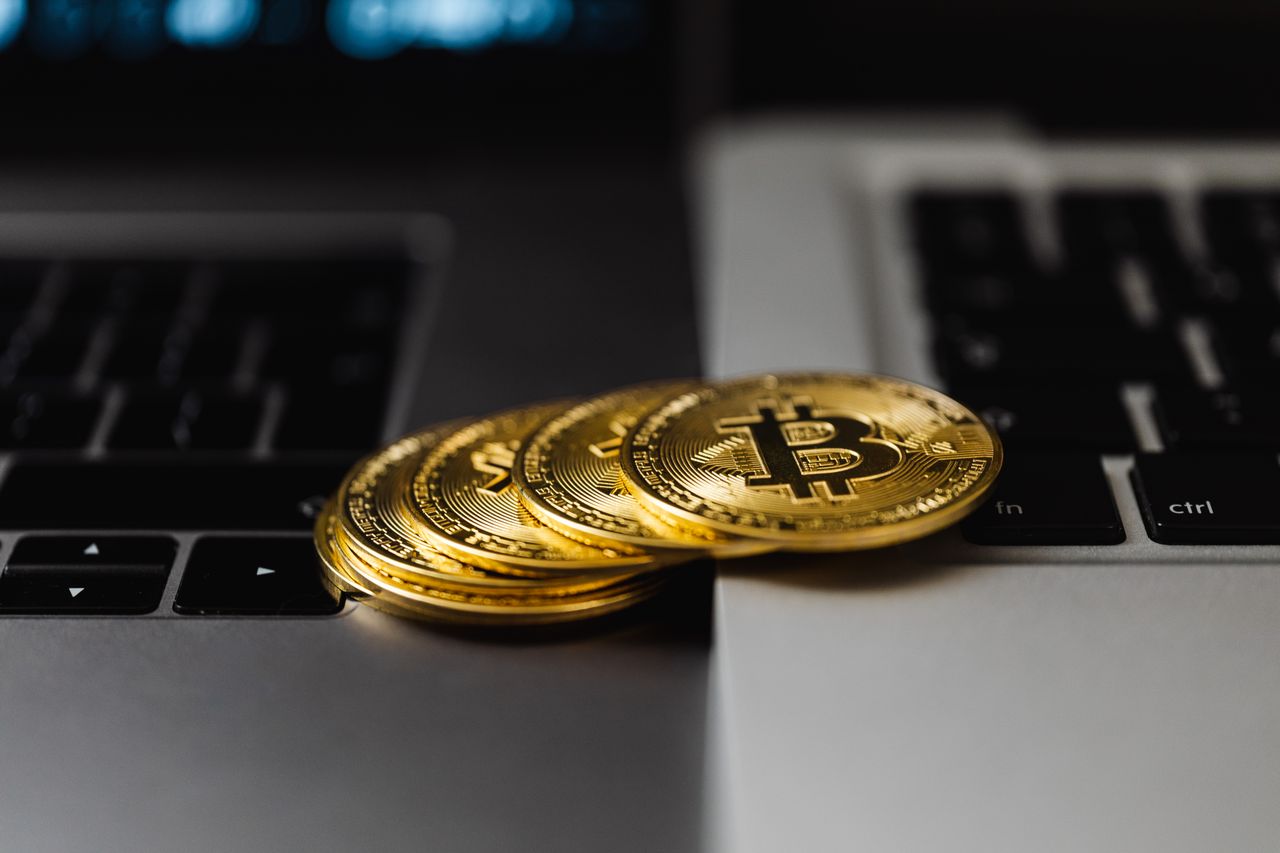
For years, ASIC mining meant one thing: Bitcoin. That changed in 2026. Zcash (ZEC) went above $1,000 for the first time on 4 September, and its network hashrate has more than doubled since January. Suddenly the Bitmain Antminer Z15 Pro, Bitmain’s flagship Equihash miner, is one of the most talked-about machines in the industry.
This article covers what is driving the Zcash comeback, what the Z15 Pro actually delivers, and what to think about before you put hardware to work.
The Zcash Comeback in Numbers
The figures behind the 2026 rally are striking:
- Price: ZEC traded around $42 in September 2025. A year later it was above $1,000, roughly a 2,300% gain.
- Hashrate: Network hashrate reached 27.9 GSol/s on 10 September 2026, about 91% of its all-time high, and is up more than 2.5x this year.
- Profitability: According to Grayscale Research data reported by crypto.news, Zcash mining earns about four times more revenue per megawatt-hour than Bitcoin mining, and about twice the daily revenue per machine.
That last point matters most for miners. In mining, energy is your biggest ongoing cost. A network that pays more per megawatt-hour rewards efficient hardware directly.
There is a fundamental story here too. Zcash is built around privacy: shielded transactions use zero-knowledge proofs to hide sender, receiver and amount, while still running on proof-of-work. As privacy becomes a bigger issue in digital finance, more people see ZEC as more than a niche altcoin.
What is the Bitmain Antminer Z15 Pro?
The Z15 Pro is an ASIC (application-specific integrated circuit) miner. That means it is a machine built to do one job: solve the Equihash algorithm used by Zcash and other coins such as Horizen (ZEN).
Key specifications:
| Specification | Antminer Z15 Pro |
| Algorithm | Equihash |
| Hashrate | 840 kSol/s |
| Power consumption | 2,650 W |
| Efficiency | 3.15 J/kSol |
| Operating temperature | 0 to 40 °C |
| Weight | 5.9 kg |
| Connection | Ethernet (RJ45) |
What do these numbers mean?
Hashrate is how many solutions a miner can try per second. With Equihash it is measured in Sol/s (solutions per second). At 840 kSol/s, one Z15 Pro gives you a small but real share of the Zcash network’s total computing power. Your expected rewards scale with that share.
Efficiency (joules per kSol) tells you how much energy each unit of work costs. Lower is better. At 3.15 J/kSol, the Z15 Pro is among the most efficient Equihash machines on the market. Because Zcash pays relatively well per unit of energy, efficiency turns straight into margin.
A Practical Example: Energy Costs
Here is how running costs work out. The Z15 Pro draws 2.65 kW. Over 24 hours, that is:
2.65 kW × 24 h = 63.6 kWh per day
At a hosting rate of €0.059 per kWh, that is about €3.75 per day, or roughly €114 per month. At a typical Dutch household rate of €0.25 per kWh or more, the same machine costs over €15 per day to run.
The lesson: your electricity price can matter as much as the hardware itself. Compare your daily energy cost with the expected ZEC rewards from a reliable mining calculator, and use conservative price assumptions.
Opportunities and Risks: A Balanced View
The 2026 rally is exciting, but good miners plan for every scenario.
What works in your favour:
- High revenue per megawatt-hour compared to Bitcoin
- A strong privacy narrative and rising market interest
- Efficient, compact hardware that fits professional hosting setups
What to watch:
- Rising difficulty: As more miners join, each machine’s share of rewards shrinks. Hashrate has already grown 2.5x this year.
- Price volatility: ZEC fell 11% in a single day in September. Revenue can drop as quickly as it rose.
- Halving cycles: Zcash halves its block reward roughly every four years. The November 2024 halving cut it to 1.5625 ZEC per block, and the next one will cut it again.
A sensible approach is to calculate your break-even point at a lower ZEC price than today’s, not a higher one.
Home Mining or Hosting?
The Z15 Pro is relatively compact, but it is still an industrial machine. It produces significant heat and noise, needs stable power and works best in a cool, well-ventilated space.
For most people, especially in Europe where household energy is expensive, professional hosting is the more realistic choice. A hosting facility offers:
- Lower energy rates
- Proper cooling and noise isolation
- 24/7 monitoring and maintenance
- Stable internet and power
Buying From a Reliable Supplier
Where you buy matters as much as what you buy. Bitmain’s standard factory warranty covers 180 days, and grey-market units often come with unclear origins or no warranty at all.
European buyers can turn to Antminer Distribution, which supplies Bitmain hardware with up to two years of European warranty, EU shipping and an ASIC hosting service. That way, purchase, support and operation are handled in one place, with no customs surprises.
Conclusion: The Right Machine at the Right Time
The 2026 Zcash comeback shows that mining is not only about Bitcoin. With strong revenue per megawatt-hour, a renewed privacy narrative and efficient hardware, Equihash mining has become a serious option again.
The Bitmain Antminer Z15 Pro is a strong fit for this moment. Success still depends on the basics, though: cheap energy, realistic price assumptions and a reliable supplier. Get those right, and you are positioned to benefit from one of the most interesting mining opportunities of the year.









 Business Programs
Leave a Reply
Want to join the discussion?Feel free to contribute!