 A VETERAN OWNED SMALL BUSINESS |

From Plastic Sheet to Finished Part: Understanding the Thermoforming Process
A plastic cover that warps, a tray with weak corners, or tooling that exceeds your budget can derail an otherwise workable product. Before ordering parts, you need to know whether thermoforming can deliver the shape, strength, and finish your application requires.
Thermoforming turns a heated thermoplastic sheet into a shaped component using a mold, vacuum, air pressure, or mechanical assistance. The part then cools and undergoes trimming. Understanding these stages helps you avoid design mistakes, compare supplier quotes, and specify what the finished part must actually do.
Check Production Readiness
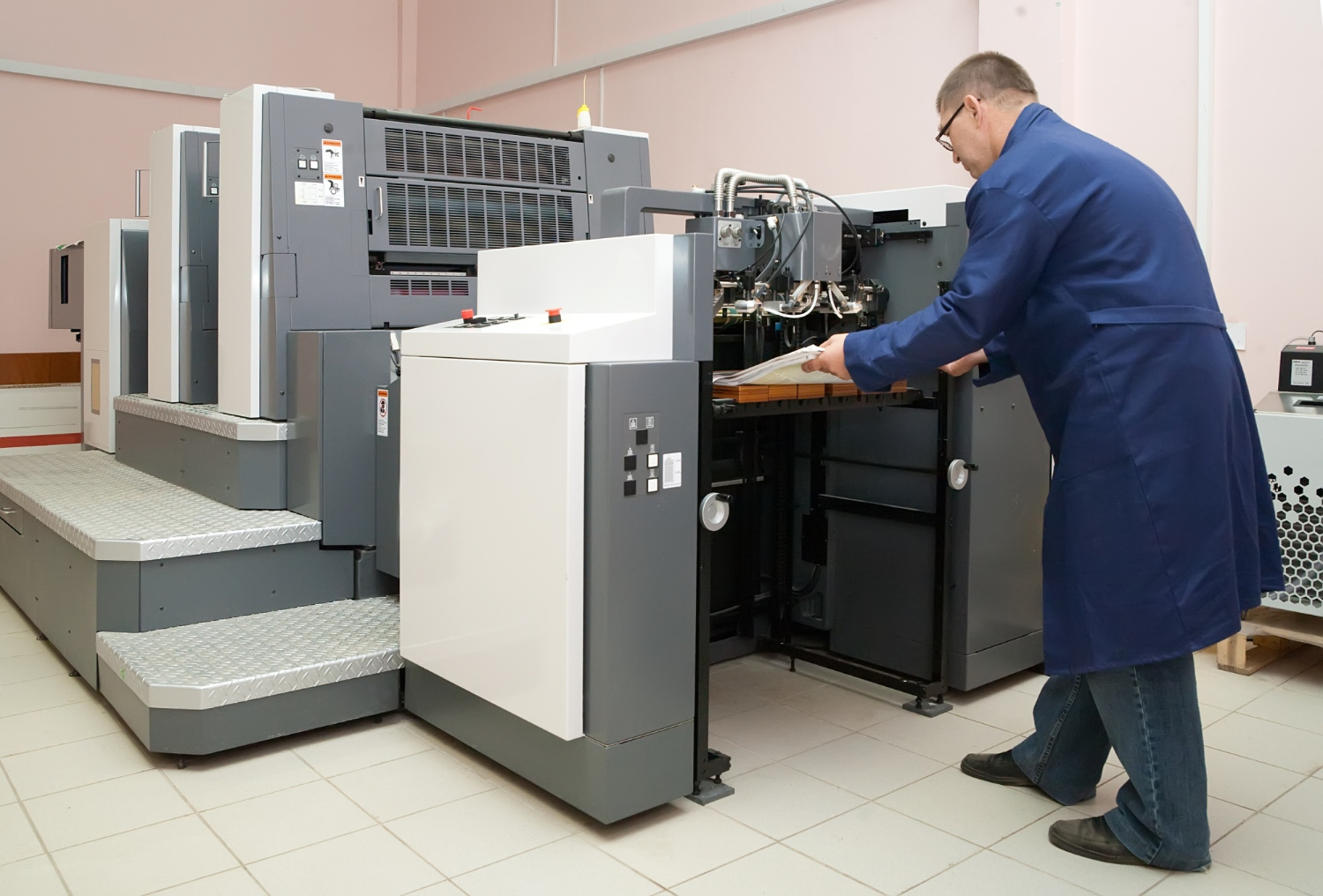
A complete process review includes equipment safety. OSHA’s thermoforming machinery guidance identifies hazards around heating, forming, and trimming, including hot surfaces and moving machinery. Occupational Safety and Health Administration
When qualifying production, discuss operator training, machine guarding, maintenance, and documented work instructions. Consistent settings and controlled operations support a repeatable manufacturing process.
Where Thermoforming Fits in Manufacturing
The Plastics Industry Association’s 2026 Size and Impact report describes an industry generating $533.6 billion in shipments and supporting 1.7 million jobs. These figures describe the broader plastics industry, not thermoforming alone. Within that industry, thermoforming serves applications ranging from packaging trays to equipment housings. Thin sheet commonly feeds from rolls for packaging; heavier sheet supports durable covers, panels, and liners. Production requirements determine the equipment and tooling.
Choosing a Thermoforming Partner
When comparing suppliers for thermoforming plastic, provide your CAD model, expected quantities, operating conditions, and critical dimensions. Ask which features can be formed directly and which require trimming, drilling, or assembly.
A useful quote separates tooling, material, forming, finishing, and inspection. This makes it easier to compare equivalent parts instead of choosing a lower price that excludes necessary work.
How the Thermoforming Process Works
Select and Prepare the Sheet
Material selection starts with service conditions. ABS suits many impact-resistant housings; PETG provides clarity for displays and packaging. Polycarbonate offers toughness and temperature resistance, while HDPE and polypropylene suit many chemical-resistant applications.
Specify the actual grade, thickness, color, and surface finish. Moisture-sensitive materials may need drying before heating. The resin name alone does not establish suitability. Quick Turn, ISO 9001, USA
Clamp and Heat
The machine holds the sheet in a frame and heats it until formable. Heater settings depend on the polymer, sheet thickness, and equipment.
Uneven heating can produce inconsistent stretching. Excessive heat can damage appearance or material properties; insufficient heat can prevent the sheet from reproducing the mold.
Form Against the Mold
Vacuum forming removes air between the sheet and mold, allowing atmospheric pressure to push the plastic into contact. Pressure forming adds compressed air for stronger definition.
For deeper cavities, a plug assist can distribute material before the final forming step. Mold vents help evacuate trapped air.
Cool, Release, and Trim
Cooling allows the component to hold its shape before removal. Draft angles help the formed plastic release from the mold.
Trimming removes the surrounding sheet. CNC routing, die cutting, or other methods establish edges and openings. Inspection then checks dimensions, appearance, and specified performance. induthermoformers.com
Which Forming Method Should You Choose?
Vacuum forming works well for many trays, liners, and simple covers. Pressure forming suits applications needing sharper details or textured cosmetic surfaces. Twin-sheet forming shapes and joins two sheets to create hollow components.
Drape forming handles simpler curves, while matched molds mechanically shape material between complementary tools. Select the method around geometry and performance rather than assuming more pressure always produces a better part.
Tool selection matters too. Prototype tooling may use wood, composites, or suitable printed polymers. Aluminum provides durability and thermal control for demanding production. Confirm tool life, cooling strategy, and compatibility with the intended sheet.
Start With Finished Wall Thickness
Ordering a particular sheet gauge does not guarantee that thickness throughout the finished component. Plastic stretches during forming, especially around deep features and tight corners.
Consider a hypothetical equipment cover that needs strong mounting areas. Simply increasing the entire sheet thickness may add cost without fixing localized thinning.
Instead, create a short acceptance plan:
- Identify the locations where minimum wall thickness matters.
- Mark which surface controls assembly fit.
- Agree on measurement locations and inspection methods.
- Test samples under realistic mounting loads before approving production.
Ask whether larger radii, shallower features, different heating zones, or plug assistance could improve material distribution. Approve the formed and trimmed sample, not just the incoming sheet specification.
For example, a housing may fit its mating frame while its mounting holes remain misplaced after trimming. Treat formed dimensions and machined features as separate inspection requirements. Establish common reference points on the drawing so the forming tool, trimming fixture, and inspection setup locate the part consistently.
This connects purchasing requirements to the places where the part could actually fail.
Compare Total Cost and Process Limitations
When comparing thermoforming and injection molding, thermoforming often offers economical tooling for large shells, but it cannot reproduce every injection-molded design. Complex internal features, solid sections, and demanding geometry may favor another process.
Compare complete production costs: sheet consumption, cycle time, trimming, fixtures, assembly, scrap handling, and inspection. There is no universal quantity where injection molding becomes cheaper; the crossover depends on the part.
Trim waste may be recoverable, but recyclability does not establish actual recycling. Ask how the supplier separates and processes scrap.
Frequently Asked Questions
1. Can Thermoformed Parts Include Undercuts?
Some undercuts are possible, but they complicate mold release and may require movable tooling or secondary assembly. Their feasibility depends on material flexibility, geometry, and process capability. Show the supplier any snap features or inward-facing details early so release requirements influence the design before tooling begins.
2. Can You Thermoform Recycled Plastic Sheet?
Yes, suitable recycled-content thermoplastic sheet can be thermoformed. However, consistency, appearance, traceability, and required performance depend on the material grade and sourcing controls. Specify acceptable recycled content and verify sample performance. Do not assume recycled sheet automatically meets every requirement satisfied by a previously approved virgin grade.
3. Can Thermoformed Parts Be Painted or Printed?
Many thermoformed parts can receive paint, printing, graphics, or bonded features after forming. Compatibility depends on the polymer, surface condition, coating system, and intended environment. Request finished samples and adhesion testing where appropriate. Color incorporated into the original sheet may eliminate some secondary finishing work entirely.
4. What Files Should You Send for a Quote?
Send a three-dimensional CAD model plus a drawing identifying critical dimensions, tolerances, material requirements, and cosmetic surfaces. Include expected order quantities, annual demand, and assembly information. If only a physical sample exists, ask whether the supplier can measure it and develop manufacturing geometry before quoting production.
5. How Long Does Thermoforming Tooling Last?
Tool life varies with tooling material, sheet temperature, forming forces, maintenance, and production volume. A prototype tool and a temperature-controlled aluminum production mold should not carry identical expectations. Ask for an estimated service life, repair provisions, ownership terms, and storage arrangements based on your specific application.
Move From Drawing to Approved Part
Define material requirements, identify critical surfaces, and agree on minimum finished thickness before releasing tooling. Then approve a sample for fit, appearance, and function. Keep an approved sample with the inspection record. When material, tooling, or processing changes, use that baseline to evaluate whether requalification is necessary. Those decisions turn a promising plastic shape into a repeatable component you can confidently order.









 Business Programs


Leave a Reply
Want to join the discussion?Feel free to contribute!