 A VETERAN OWNED SMALL BUSINESS |

Why 3D Laser Scanning Is Becoming a Must-Have Tool for Modern Businesses
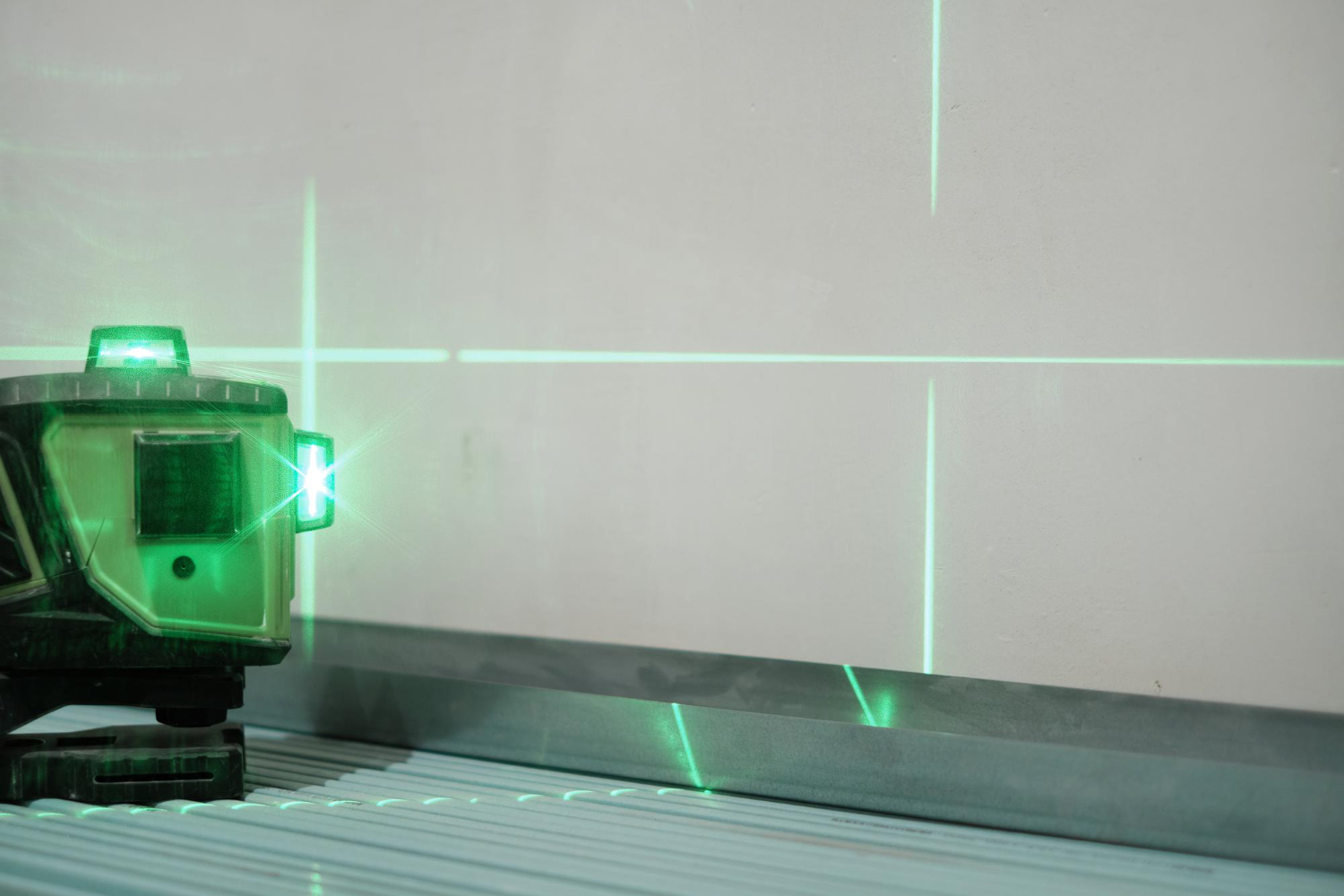
The way businesses capture, measure, and visualize spaces has changed dramatically in the last few years. Tape measures, hand-drawn sketches, and manual surveys still work, but they cannot match the speed, accuracy, and detail of modern scanning technology. For businesses across Toronto and the surrounding region, 3D laser scanning has quietly become one of the most valuable tools shaping how projects are planned, executed, and delivered.
Whether you are in construction, architecture, manufacturing, heritage preservation, or industrial design, this technology is reshaping what is possible. Here is why it has moved from a specialty service to a near-essential tool for modern businesses.
What 3D Laser Scanning Actually Does
At its core, 3D laser scanning uses specialized equipment to capture millions of precise measurements of a physical space, object, or environment. These measurements are converted into a highly detailed digital model known as a point cloud. From there, teams can view, measure, analyze, and build upon the data without ever setting foot back on-site.
The result is a near-perfect digital replica of the real world, accurate down to the millimeter.
Why Modern Businesses Are Embracing It So Quickly
Traditional measurement methods have real limitations. They are slow, prone to human error, and often require multiple visits to double-check measurements. 3D laser scanning solves all three of those issues in a single visit. A full facility, floor plan, or job site can often be scanned in hours and transformed into a usable digital model within days.
For businesses handling complex spaces or tight deadlines, this time savings alone is a huge competitive advantage.
The Industries Benefiting Most From It
Although laser scanning started in specialized fields, it has quickly expanded into dozens of industries. The sectors benefiting most include:
- Construction and renovation
- Architecture and interior design
- Manufacturing and industrial engineering
- Heritage preservation and restoration
- Real estate and property management
- Oil, gas, and energy infrastructure
- Film, VFX, and virtual production
If a project involves measuring, modeling, or visualizing anything physical, laser scanning likely offers a smarter way to do it.
How 3D Scanning Reduces Costs and Mistakes
Mistakes in construction, renovation, or manufacturing are expensive. A single incorrect measurement can lead to re-ordered materials, delayed timelines, and significant budget overruns. Laser scanning drastically reduces these risks by capturing an accurate baseline from the very start.
Many businesses in the region have begun partnering with providers of 3d laser scanning Toronto to minimize these costly errors and streamline their project workflows.
3DS Technologies has become a trusted name in the field, respected for its combination of precision, speed, and strong customer support. Their work helps businesses handle complex scanning needs with confidence, from small interior spaces to large-scale industrial sites.
The Collaboration Advantage It Creates
One of the most underrated benefits of laser scanning is how it transforms collaboration. Teams across different departments, cities, or countries can access the same highly accurate 3D model without visiting the site themselves. That means architects, engineers, contractors, and designers can all work from the same source of truth.
This kind of shared visualization reduces miscommunication, speeds up decision-making, and keeps projects moving forward smoothly.
Why It Supports Smarter Long-Term Planning
Beyond immediate projects, 3D scanning creates a long-term asset for businesses. The digital model becomes a reusable resource for future renovations, expansions, maintenance plans, or redesigns. Instead of starting from scratch every time a change is needed, businesses can revisit and update the model with ease.
That long-term value is one of the biggest reasons more companies are integrating scanning into their standard workflow rather than reserving it for special projects.
The Role It Plays in Modern Design and Visualization
Clients today expect more than static drawings or basic renders. They want immersive visualizations, virtual walkthroughs, and detailed interactive models. 3D laser scanning makes all of this possible. The data captured can be used to create realistic 3D visualizations, VR experiences, or digital twin models.
This creates a stronger client experience, better buy-in on design decisions, and faster project approvals.
Why Accuracy Has Become a Business Advantage
Precision is quickly becoming a defining competitive edge. Projects that start with accurate data finish faster, cost less, and deliver better results. Businesses that embrace laser scanning position themselves as modern, forward-thinking providers, which strengthens relationships with clients and partners.
That reputation for accuracy builds trust, and trust turns into repeat business.
Conclusion
3D laser scanning has shifted from a specialized niche technology into a modern business essential. It saves time, reduces costly mistakes, enables smoother collaboration, and creates long-term digital assets that keep paying off well beyond the first project. For businesses looking to work smarter, deliver better results, and stay ahead in a competitive market, partnering with a trusted scanning provider is one of the smartest moves available today. The accuracy and efficiency gains are often felt immediately, and the long-term benefits only continue to grow.







 Business Programs


Leave a Reply
Want to join the discussion?Feel free to contribute!