 A VETERAN OWNED SMALL BUSINESS |

How Advanced Education Can Shape Your Future in Engineering
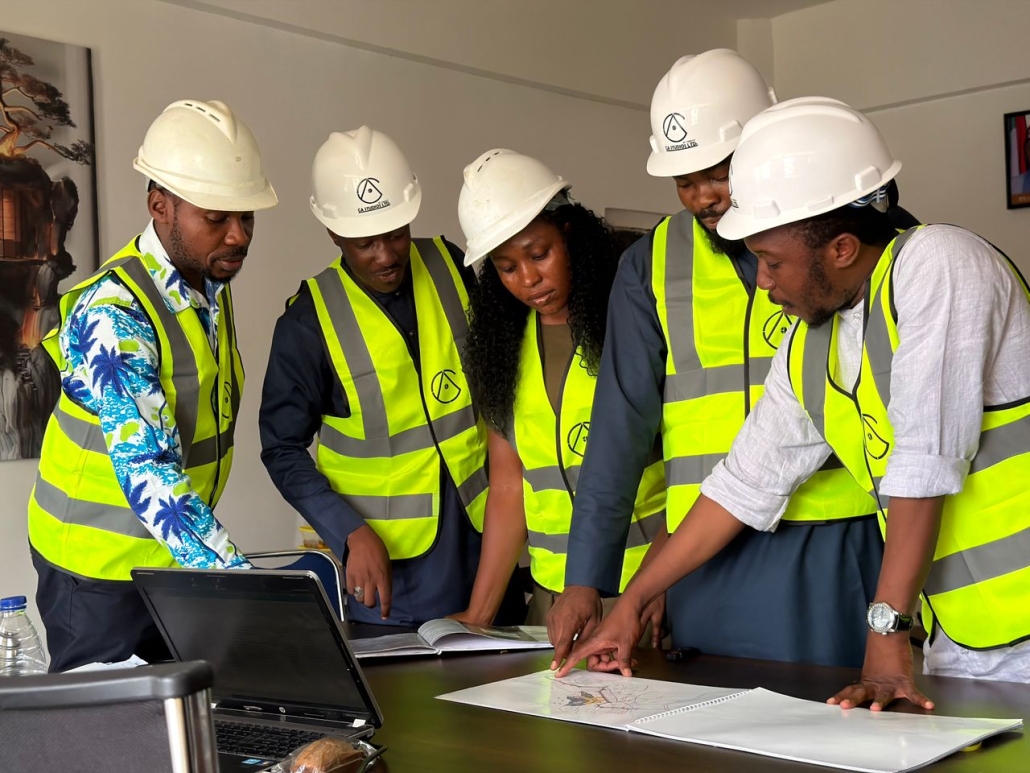
Engineering is a constantly evolving field that requires professionals to update their knowledge and develop new skills. As industries adopt advanced technologies and improve their operations, engineers must understand both technical developments and changing business requirements. While an undergraduate degree provides essential knowledge, advanced education can help professionals expand their expertise, explore new career opportunities, and prepare for greater responsibilities. Whether you want to specialize in a technical field or move into leadership, continuing your education can support long-term career growth.
Expanding Your Technical Knowledge and Expertise
Advanced education allows engineers to develop a deeper understanding of their chosen field. While undergraduate programs introduce fundamental engineering principles, graduate studies often explore specialized concepts, advanced technologies, and practical industry applications.
For example, mechanical engineers may study advanced manufacturing systems, while electrical engineers may focus on automation, renewable energy, or intelligent control systems. These specialized subjects can help professionals address complex technical challenges.
Advanced coursework also encourages critical thinking and analytical problem-solving. Engineers learn to evaluate different solutions, understand technical limitations, and make informed decisions.
Developing these abilities can improve professional confidence and prepare engineers to handle projects that require greater technical knowledge and responsibility.
Developing Leadership and Business Management Skills
Technical expertise is important, but engineers who want to advance into management positions also need strong leadership and business skills. Supervising teams, managing budgets, coordinating projects, and communicating with stakeholders require abilities beyond traditional engineering knowledge.
Advanced education can help professionals understand organizational leadership, financial planning, project management, and operational efficiency. These subjects provide valuable knowledge for engineers interested in taking on broader responsibilities. Individuals who want to develop both technical and managerial abilities can explore engineering management online programs, which combine engineering principles with business education and help prepare professionals for leadership roles across different industries. These programs can be useful for working engineers who want to continue gaining professional experience while developing new qualifications.
By strengthening leadership and decision-making skills, engineers can become better prepared to manage teams, oversee complex projects, and contribute to organizational goals.
Improving Career Advancement Opportunities
Additional qualifications can help engineers pursue career opportunities that require specialized knowledge or management experience. Some employers prefer candidates with advanced degrees for positions involving research, technical leadership, or complex project responsibilities.
Graduate education may also help professionals qualify for roles such as engineering project manager, technical consultant, operations manager, or research specialist. However, specific requirements vary depending on the employer and industry.
Beyond formal qualifications, advanced education demonstrates a commitment to professional development. Employers may value individuals who actively improve their knowledge and remain informed about industry developments.
Engineers should consider their career goals before selecting a program. Choosing relevant coursework can help ensure that the knowledge gained supports their desired professional direction.
Staying Updated With Emerging Engineering Technologies
Technology continues to change how engineering projects are designed, developed, and managed. Automation, artificial intelligence, digital modeling, and advanced manufacturing methods are creating new opportunities across different industries.
Advanced education can help engineers understand these technologies and their practical applications. Graduate courses may introduce specialized software, modern research methods, and innovative approaches to technical problems.
For example, engineers working in manufacturing may benefit from learning about automated production systems, while professionals in construction may explore digital project management tools.
Understanding emerging technologies can also help engineers evaluate their potential benefits and limitations before introducing them into existing operations.
By keeping their knowledge current, professionals can adapt to changing industry requirements and contribute to technological improvements within their organizations.
Strengthening Problem-Solving and Decision-Making Abilities
Engineering professionals regularly face challenges involving technical performance, project deadlines, resource limitations, and safety requirements. Solving these problems requires careful analysis and informed decision-making.
Advanced education helps engineers develop structured approaches to complex situations. Through research projects, case studies, and practical assignments, students learn to evaluate information, compare alternatives, and identify suitable solutions.
These experiences can also improve risk assessment and strategic planning skills. Engineers become better equipped to consider how technical decisions affect project costs, operational efficiency, and long-term performance.
Working on challenging academic projects encourages independent thinking and collaboration. Both abilities are valuable when handling responsibilities that involve multiple departments or technical disciplines.
Building Professional Networks and Industry Connections
Advanced education provides opportunities to connect with other engineering professionals, instructors, researchers, and industry specialists. These relationships can support career development and encourage the exchange of technical knowledge.
Graduate programs often bring together students from different engineering backgrounds. Working with professionals who have varied experiences can introduce new perspectives on common industry challenges.
Group assignments, research collaborations, and professional discussions can also improve communication and teamwork skills.
Maintaining these connections after graduation can provide access to valuable advice, industry information, and potential career opportunities throughout an engineering career.
Choosing the Right Advanced Education Program
Selecting an appropriate educational program requires careful consideration of your professional goals, interests, and existing responsibilities. Not every graduate degree offers the same benefits, so it is important to compare available options.
Start by reviewing the curriculum and determining whether the courses match your desired career direction. Engineers interested in technical specialization may prefer research-focused programs, while those pursuing leadership roles may benefit from business and management coursework.
You should also evaluate institutional accreditation, faculty experience, tuition costs, program duration, and available learning formats.
For working professionals, flexible schedules and online learning options can make continuing education more manageable. However, convenience should not replace academic quality or practical relevance.
Choosing a program that matches your career objectives can help you make better use of your time and educational investment.
Balancing Advanced Education With Professional Responsibilities
Returning to education while working as an engineer can be challenging. Professional deadlines, personal commitments, and academic assignments all require time and attention.
Before enrolling, evaluate your weekly schedule and determine how much time you can realistically dedicate to studying. Understanding course requirements can help you avoid unnecessary pressure.
Some employers offer tuition assistance, professional development opportunities, or flexible working arrangements for employees pursuing relevant qualifications. Discussing your educational goals with your employer may help you identify available support.
Effective time management is also important. Establishing a consistent study routine and setting realistic academic goals can make the learning process more manageable.
Ultimately, advanced education can be a valuable investment in your engineering career. By expanding technical expertise, developing leadership abilities, and improving professional knowledge, engineers can prepare for changing industry demands and pursue new opportunities. Choosing the right program and applying what you learn can support meaningful career growth and long-term professional success.








 Business Programs


Leave a Reply
Want to join the discussion?Feel free to contribute!