 A VETERAN OWNED SMALL BUSINESS |

How Small Apparel Brands Can Grow Without Excess Stock
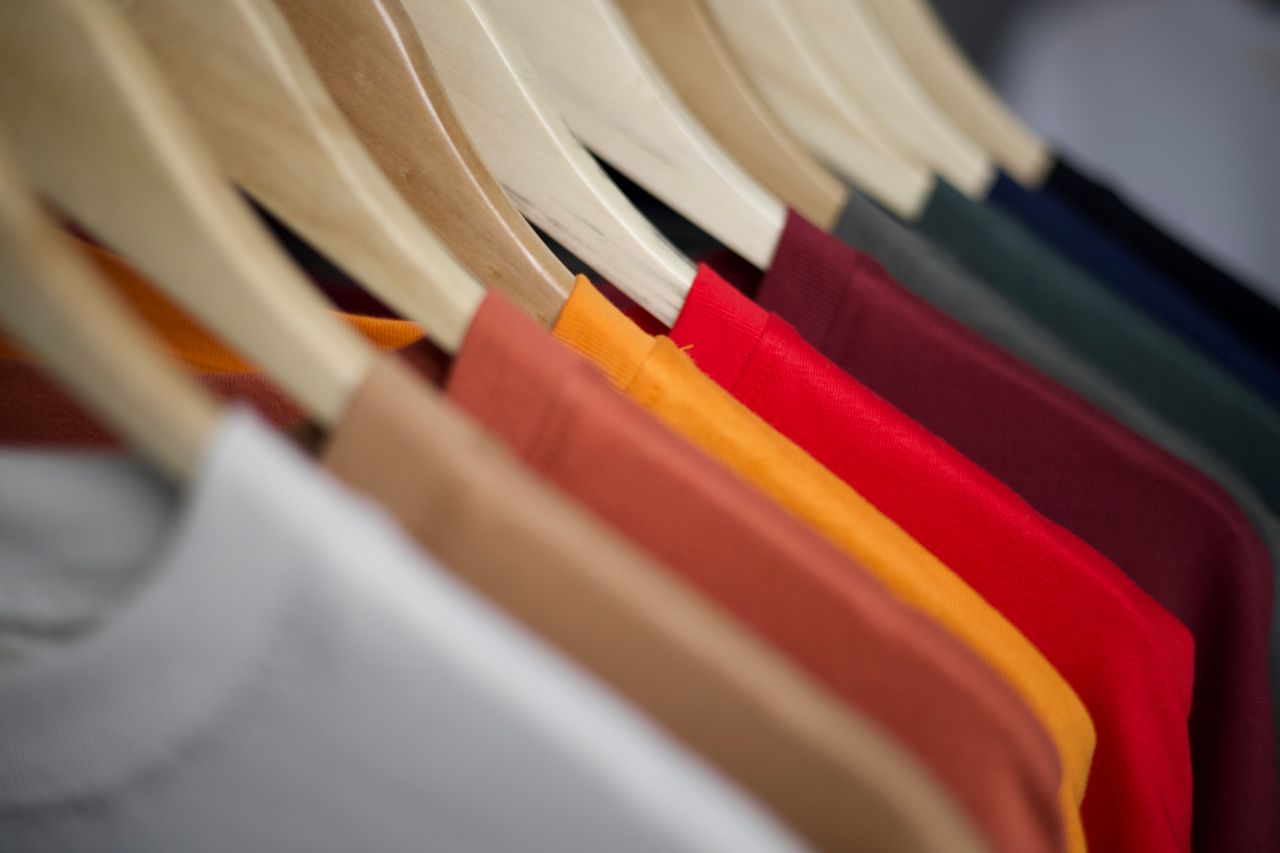
Selling custom apparel sounds straightforward until you have twenty designs, five shirt sizes, and no idea which ones customers will actually buy. Suddenly, your money is sitting in boxes of unsold inventory. For small clothing brands, growth depends on more than attracting customers. You also need a production system that can handle changing demand. In this blog, we will share practical ways to control inventory, organize production, and grow without unnecessary expenses.
Start With Customer Demand, Not Production Volume
One of the easiest mistakes in apparel is producing too much before you know what people want. A design might receive plenty of compliments online, but that doesn’t guarantee anyone will purchase it.
Start small. Release a limited collection and track which designs, colors, and sizes customers actually order.
You can also collect preorders, provided you’re clear about production and delivery dates. This gives you a better idea of demand before committing money to materials.
Pay attention to repeat purchases, too. A design that consistently sells ten units each week may be more valuable than one that sells thirty during a brief social media trend.
Keep these numbers organized in a simple spreadsheet. You don’t need expensive forecasting software immediately.
You need reliable information about what customers buy, not just what they say they like.
Organize Print Production Around Smaller Orders
Traditional bulk printing can create problems when customers want different designs in small quantities. You might need twelve shirts featuring one graphic, eight featuring another, and only three featuring a seasonal design.
Direct-to-film printing offers another approach. Designs are printed onto transfer film and later applied to garments using heat and pressure.
Multiple graphics can be arranged on one gang sheet, allowing you to prepare different designs within a single print layout.
For example, the EazyDTF Custom Gang Sheet Builder lets apparel businesses arrange their own designs for DTF transfer printing rather than ordering every graphic separately.
Check artwork dimensions, spacing, resolution, and supplier specifications before submitting an order.
A carefully organized layout can reduce unused printing space and make smaller production runs easier to manage without requiring large inventories of finished shirts.
Keep Blank Garments Separate From Finished Inventory
Printing every design onto shirts immediately might feel productive. It also creates inventory that becomes difficult to sell when customer preferences change.
Consider keeping a smaller selection of blank garments in your most popular sizes and colors. You can then decorate them as confirmed orders arrive.
This approach works particularly well when several designs use the same garment style. Instead of stocking five separate printed versions, you maintain one pool of blanks.
There are limits, though. You still need enough stock to fulfill orders promptly, and certain colors or sizes may take longer to replenish.
Track which blanks sell fastest and set reorder points based on supplier lead times.
Keep seasonal merchandise separate from everyday products. A holiday design that sells poorly in December becomes much harder to move in February.
Calculate Profit Using More Than the Shirt Cost
A shirt that costs six dollars and sells for twenty might look highly profitable. Unfortunately, the difference isn’t all yours.
You still have to account for printing, packaging, payment processing, labor, shipping supplies, and the occasional defective garment.
Calculate your contribution margin for each product. Subtract the variable costs associated with producing and selling one unit from its selling price.
Suppose a shirt sells for $25. If the blank costs $6, printing costs $4, packaging costs $1, and transaction fees total $1, you’re left with $13 before other expenses.
That figure is more useful than looking at the blank garment price alone.
Don’t forget wasted transfers and incorrectly pressed shirts. Even experienced operators make mistakes.
Review these costs regularly. A popular product can still damage profitability if its production requirements are unusually expensive.
Build a Quality Check Into Every Order
Customers rarely care how efficient your production process is when their shirt arrives with a crooked design.
Quality control needs to happen before the package is sealed.
Start by checking artwork dimensions and placement. Use a consistent measurement method so designs appear in approximately the same position across similar garments.
Follow the transfer supplier’s application instructions for temperature, pressure, pressing time, and peeling method. Different materials may require different settings.
Inspect finished garments for lifting edges, visible defects, and incorrect sizing.
For new combinations of fabric and transfer materials, test a sample before producing customer orders. A wash test can reveal problems that aren’t obvious immediately after pressing.
Record recurring mistakes. If one design repeatedly causes alignment problems, correct the process instead of relying on employees to remember an informal workaround.
Consistency matters more as order volume increases.
Set Delivery Promises Your Production Can Meet
Fast shipping can attract customers, but unrealistic delivery promises create complaints and refund requests.
Calculate how long each production stage actually takes. Include artwork approval, transfer ordering, garment preparation, pressing, inspection, and packaging.
Then add a reasonable allowance for supplier delays and unexpected problems.
If a customer orders a personalized shirt on Monday, don’t promise Wednesday delivery unless your workflow can reliably support it.
Separate production time from shipping time when communicating with customers. The two are often confused.
You should also establish an order cutoff for special events and seasonal collections.
For larger orders, confirm artwork and garment quantities before production begins. Written approval helps prevent expensive misunderstandings.
When delays happen, communicate early. Customers may accept a revised delivery date more readily than silence followed by a last-minute explanation.
Use Sales Data to Decide When to Expand
Growth shouldn’t automatically mean purchasing more equipment, hiring additional employees, or stocking hundreds of extra shirts.
First, identify what’s limiting your current operation.
Are orders delayed because transfers arrive late? Does pressing take too long? Are employees spending hours correcting artwork files?
Each problem requires a different solution.
Track average production time, order accuracy, return rates, and gross margin alongside sales revenue.
If pressing capacity is consistently limiting output, another heat press might be justified. If demand remains unpredictable, better order scheduling may be more valuable.
Consider expanding your product range only after your existing items demonstrate consistent demand.
You can also test new designs through limited releases before adding them permanently.
A smaller catalog with reliable sales and manageable production costs can outperform a much larger collection filled with slow-moving products.
Growing a custom apparel business doesn’t have to involve warehouses full of unsold shirts. When you test demand, organize transfers efficiently, monitor actual costs, and expand based on production data, you can increase sales without letting inventory expenses grow just as quickly.







 Business Programs


Leave a Reply
Want to join the discussion?Feel free to contribute!