Why Mock Interviews Are the Secret Weapon for Finance Candidates
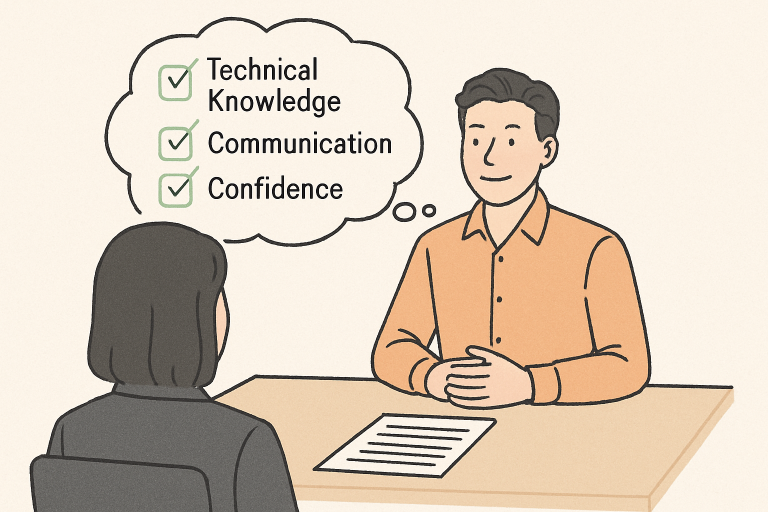
Mastering the finance interview process is often the difference between landing a dream role and missing out, especially as competition has never been fiercer. While candidates may spend countless hours refining their resumes and studying technical concepts, practicing with real-world Cook’d mock interviews often gets overlooked. These targeted simulations not only boost your technical proficiency but also provide a practical platform for sharpening soft skills and developing unshakeable confidence.

Whether you are transitioning from academia or advancing your finance career, understanding the dynamics of an actual interview goes far beyond textbook knowledge. Mock interviews offer a private, low-stakes environment where candidates can receive insightful, actionable feedback to refine both their responses and their overall demeanor. Learning from experience before stepping into the interview room dramatically improves finance professionals’ chances of success.

Understanding the Value of Mock Interviews

Mock interviews simulate real finance job interviews by replicating both technical questions and behavioral scenarios that candidates are likely to encounter. These practice sessions enable candidates to immerse themselves in the interview environment, allowing them to make mistakes and learn from them in a risk-free setting. In an industry that values precision, confidence, and analytical thinking, this practical exposure can lead to better real-world outcomes.

Feedback gained during these sessions is structured around skills crucial to finance roles, such as problem-solving, clear communication, and professional etiquette. Importantly, candidates can use these insights to course-correct before the high-stakes actual interview. Employers in finance consistently report that candidates who practice extensively in mock scenarios are better at demonstrating both subject mastery and confidence during official interviews.

Identifying Strengths and Weaknesses

Mock interviews are designed as diagnostic tools, helping candidates zero in on both their strengths and weaknesses. Research published in Harvard Business Review notes that well-prepared candidates who structure their answers and keep a measured pace are perceived as 27 percent more competent in panel interviews. This highlights the value of using mock interviews as an opportunity to refine communication, pinpoint areas prone to nervousness, and craft responses that leave a lasting positive impression.

Reducing Interview Anxiety

Many candidates find that their nerves hinder performance in high-pressure interview situations. By repeatedly engaging with a wide range of typical finance interview questions and settings through mock interviews, candidates become more comfortable, fostering a calmer, more assured presence. This reduction in anxiety often translates to clearer thinking and more authentic interaction with interviewers, key factors when competing for finance roles.

Enhancing Technical Proficiency

In finance, even entry-level positions come with high expectations for technical competence. Mock interview sessions often incorporate tough questions on financial modeling, accounting, market analysis, and advanced quantitative concepts. These sessions give candidates a chance to organize their thoughts, explain reasoning, and defend their positions efficiently, all while receiving guidance. Practicing with technically challenging questions in advance equips candidates to convey complex ideas under pressure, a vital skill in interviews for roles like investment analyst, risk manager, or corporate finance associate.

Moreover, mock interviews can include case-study questions, technical exercises, and situational judgment questions that mirror the daily challenges finance professionals face. For those hoping to excel in roles such as investment banking or equity research, presenting a clear thought process and providing data-driven answers is essential. Practicing these kinds of real-world scenarios in a mock interview setting helps ensure candidates are not caught off guard by unexpected or complex queries, further bolstering their technical arsenal and adaptability.

Leveraging AI-Powered Mock Interviews

AI-driven platforms are revolutionizing the preparation landscape by delivering real-time, personalized feedback. These platforms analyze aspects such as tone of voice, clarity, and response speed, as well as nonverbal cues like facial expressions and body language. As the finance sector increasingly values emotional intelligence alongside technical skills, such AI tools ensure candidates present both expertise and polish. The use of personal analytics enables continuous improvement, bridging the gap between practice and perfection.

The technological advances in AI-powered mock interviews also mean that preparation can happen at any time and at any pace, meeting the needs of remote learners and busy professionals. Simulated interviews can be customized for specific roles, industries, or even individual companies, dramatically increasing their relevance and the confidence that comes from targeted practice. The growing integration of video analysis and pattern recognition ultimately delivers deeper, more nuanced insights that human coaches may miss, further increasing the effectiveness of preparation for high-stakes finance interviews.

Building Confidence Through Repetition

Frequent exposure to mock interview scenarios builds the kind of confidence that is immediately recognizable in a real interview. As candidates rehearse their stories, revisit challenging technical problems, and receive ongoing feedback, self-doubt gradually gives way to self-assurance. Interviewers in the finance sector are quick to recognize well-prepared candidates who demonstrate composure under pressure and articulate their value proposition clearly.

Alongside technical readiness, mock interviews foster an important sense of poise and professionalism. By simulating a variety of interviewer personalities and interview formats, candidates can discover the best ways to adapt their communication style, body language, and overall approach. These soft skills distinguish standout candidates who not only have the right answers but also deliver them with ease and genuine engagement.

Conclusion

Mock interviews are an essential part of any finance job seeker’s arsenal. By helping candidates recognize and resolve weaknesses, become comfortable with challenging questions, and receive nuanced feedback, they provide a powerful advantage in a crowded job market. Investing in these practice sessions, especially those enhanced with AI technology, results in stronger performance, greater confidence, and a dramatically increased likelihood of success in securing sought-after finance positions.

While technical prowess is undeniably important, true interview success in finance is equally rooted in adaptability, emotional intelligence, and the ability to communicate under pressure. Mock interviews holistically prepare candidates, making them more agile and persuasive. For anyone determined to set themselves apart and impress top finance employers, mock interviews are not just helpful, they are indispensable.

Essential Soft Skills for Success in Business Analytics Roles

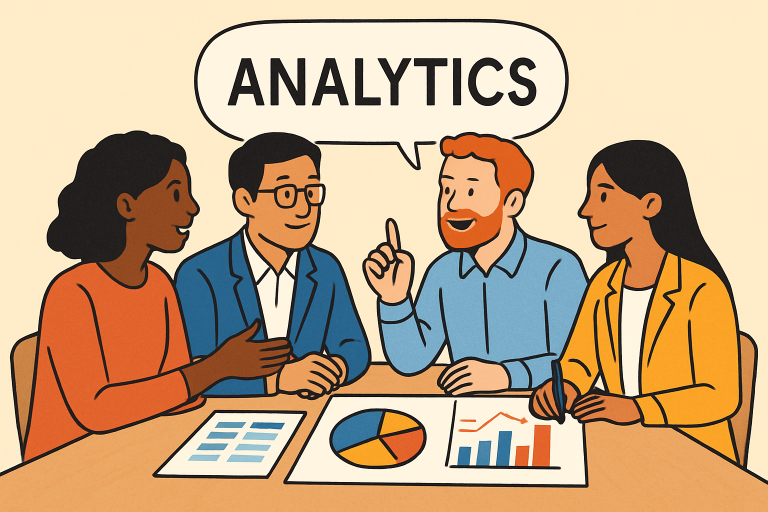
Excelling in business analytics demands more than technical know-how. While mastering statistics, coding, and data visualization tools is crucial, an analyst’s ability to thrive often hinges on interpersonal strengths. Professionals who prioritize developing their soft skills gain a significant advantage in today’s increasingly collaborative work environments. As more universities offer online MBA in Business Analytics online, understanding which soft skills matter most is vital for those seeking to stand out in this fast-changing field.

Employers increasingly recognize that driving impactful business decisions requires more than accurate predictions or insightful dashboards. Analysts must interpret data in context, communicate findings persuasively, and work harmoniously with colleagues from diverse backgrounds. These abilities set exceptional analysts apart and ensure the results of their work are adopted and acted upon throughout an organization.

Effective Communication

At Northwest Missouri State University, students learn that complex analysis means little if its implications are lost in translation. The ability to communicate clearly, both in writing and speech, is a foundational soft skill for business analysts. Translating complex data into accessible insights involves tailoring one’s message for audiences with varying technical backgrounds. Analysts also benefit from strong active listening skills, allowing them to fully understand stakeholder concerns and project requirements, which guides more relevant analysis and solutions.

Critical Thinking and Problem-Solving

Strong business analysts look beyond what the numbers initially present. Critical thinkingenables professionals to evaluate data objectively, question assumptions, and link disparate pieces of information. Coupled with robust problem-solving abilities, analysts are well-equipped to diagnose root causes behind business challenges and propose innovative, data-backed recommendations. These skills help shift analytics from descriptive to prescriptive, empowering organizations to make forward-looking decisions.

Emotional Intelligence

Emotional intelligence (EI) encompasses self-awareness, empathy, and the ability to manage relationships effectively. High EI helps analysts perceive and respond to the emotions driving team dynamics, ensuring smoother collaboration and minimizing friction. In high-pressure environments, emotionally intelligent professionals remain attuned to their own stress levels and cope more effectively. According to research published in The Leadership Quarterly, managers who cultivate EI are more adept at motivating teams and influencing outcomes. For instance, a study titled “Emotional intelligence and leadership emergence in small groups” found that overall emotional intelligence and its dimensions were associated with leadership emergence over and above cognitive intelligence, personality traits, and gender.

Adaptability and Learning Agility

The business analytics field evolves rapidly as new technologies and methodologies emerge. Professionals must embrace lifelong learning and readily adapt to new software, datasets, or analytical frameworks. Those who exhibit learning agility are best positioned to stay ahead and offer cutting-edge insights. Proactively seeking skill development, whether through formal coursework or self-directed study, is a hallmark of resilient and successful analysts. Keeping pace with change is essential for maintaining relevance and maximizing value to employers.

Collaboration and Teamwork

Working in silos is increasingly rare in modern business analytics. Success depends on an analyst’s ability to integrate feedback from marketing, finance, operations, and IT teams. Strong collaboration skills foster inclusive discussions and ensure that varying perspectives are considered when shaping solutions. Team-oriented analysts can bridge the gap between technical experts and business stakeholders, helping projects progress more smoothly to completion.

Attention to Detail

Accurate data analysis requires meticulous attention to detail. Even small errors in data preparation, coding, or reporting can undermine trust in the results. Business analysts who are thorough in checking their work, validating sources, and spotting anomalies are better equipped to deliver trustworthy insights. This eye for detail helps prevent costly mistakes and ensures organizational confidence in analytical outcomes.

Negotiation and Conflict Resolution

Inevitable differences of opinion can arise as cross-functional teams seek consensus on project priorities, interpretation of results, or resource allocation. Effective negotiation and conflict-resolution skills enable analysts to mediate discussions productively, advocate for their perspectives without alienating others, and help teams move forward even when consensus is difficult to reach. These skills increase an analyst’s influence, making them integral to project outcomes and broader organizational success.

Business Acumen

Ultimately, business analytics succeeds only when tied to organizational strategy. Analysts must possess a clear understanding of industry trends, business models, and financial drivers relevant to their sector. This context enables them to frame their analyses within the larger picture, generating insights that are not only data-driven but also strategically actionable. Business acumen deepens the impact of an analyst’s work, ensuring their findings directly align with organizational goals.

Final Thoughts

Soft skills are the backbone of business analytics success. As organizations continue to rely on data-driven decision-making, those who strengthen both their technical expertise and interpersonal skills will be positioned as the most valuable contributors to their teams and industries.

Education Paths That Lead to High-Growth Industries

Education Paths That Lead to High-Growth Industries | StrategyDriven Professional Development Article

Let’s face it. Choosing what to study can be quite a dilemma. You scroll through course lists, compare degree plans, and wonder which path will actually lead somewhere solid. Will this field still exist in ten years? Will companies keep hiring? And what about the skills you learn today – will they still matter tomorrow?

Industries shift fast. Technology evolves. Markets expand and shrink. But some sectors continue to grow steadily, creating new roles and demanding fresh talent every year.

So how do you choose an education path that doesn’t just sound good on paper but positions you for long-term opportunity? That’s exactly what we’re about to explore.

Computer Science: The Backbone of a Digital Economy

Technology no longer sits in one corner of the economy. It runs through everything. Hospitals rely on software systems. Retailers track inventory in real time. Banks secure millions of transactions every hour. When nearly every industry depends on digital tools, the people who build and manage those tools stay in demand.

That’s where a Bachelor of Science in Computer Science comes in. This degree doesn’t just teach you how to code. It trains you to think logically and solve structured problems. You study programming languages, algorithms, and data structures. You learn how operating systems function. You understand how databases store and retrieve information and even explore the basics of cybersecurity and software engineering.

And here’s something important: you don’t graduate boxed into one narrow job title. You can move into software development, app design, artificial intelligence, systems architecture, or data engineering. You might join a fast-growing startup or work inside a hospital system or a logistics company.

With STEM occupations projected to grow more than 20% through 2033, the long-term outlook stays strong. If you enjoy building, analyzing, and improving systems, this path offers both stability and flexibility.

Healthcare and Nursing: Meeting a Growing Demand

Healthcare never stands still. Populations age. Medical treatments advance. Communities need more services. All of that creates consistent demand for trained professionals.

A degree in nursing offers one of the clearest pathways into this field. Nurses work directly with patients, coordinate care, and serve as critical links between doctors and families. The work requires both technical knowledge and emotional strength. You study anatomy, pharmacology, and patient care practices. You also complete clinical rotations, where you gain hands-on experience in real medical settings.

Healthcare administration presents another route. Not everyone wants to work at a bedside. Administrators manage hospital operations, budgets, staffing, and policy implementation. Other than that, public health programs focus on prevention and community health. So, if you want a field that combines steady employment with meaningful impact, healthcare checks the boxes for sure.

Data Science and Analytics: Turning Information Into Strategy

Companies collect massive amounts of data every day, from sales numbers to customer behavior, website traffic, and operational metrics. But raw data doesn’t solve problems. People do.

A degree in data science or analytics prepares you to work with that information. You study statistics, machine learning basics, and programming tools used to process large datasets. You’ll learn how to clean messy data and identify patterns, then finally present findings in ways decision-makers understand.

Imagine a company launching a new product. How do they decide where to market it? How do they price it? Analysts answer those questions. They turn numbers into direction.

Almost every industry today needs professionals who can do that.

Renewable Energy and Environmental Science

Energy remains one of the world’s biggest priorities. Governments invest in cleaner power sources. Corporations aim to lower emissions. Communities demand sustainable practices. That shift drives job growth in renewable energy and environmental science.

Students in these programs study climate systems, environmental policy, and energy technologies. They examine how solar panels convert sunlight into electricity. They learn how wind turbines generate power. Graduates might work in renewable energy companies, environmental consulting firms, or research institutions.

As climate concerns stay at the forefront of global discussions, professionals trained in sustainability hold valuable positions. If you want your work to connect directly to environmental progress, this education path offers strong potential.

Engineering: Building the Future

Engineering remains one of the most practical education paths into high-growth industries. Bridges, power grids, robotics systems, and manufacturing plants – none of them function without engineers.

An engineering degree demands discipline. You study advanced mathematics, physics, and applied mechanics while working through design problems and building prototypes.

Civil engineers focus on infrastructure like roads and buildings. Electrical engineers design circuits and power systems. Mechanical engineers develop machines and manufacturing tools. Each specialty connects to industries that continue to expand and modernize.

Do you enjoy building tangible solutions and working through technical challenges? This is the right education path for you.

Cybersecurity: Protecting Digital Assets

Here’s a fact: every organization stores data. Now, the more digital we become, the more valuable that data gets, and the more attractive it becomes to attackers. That’s why cybersecurity keeps climbing as a high-growth field. Companies don’t treat it as optional anymore. They build entire teams around it.

A degree in cybersecurity or information security teaches you how networks operate and how they get compromised. You study encryption methods, system vulnerabilities, and risk assessment. You learn how to monitor unusual activity and respond when something goes wrong. Some programs even introduce ethical hacking, where you test systems the way an attacker would.

And here’s the thing: cybersecurity professionals don’t just work for tech companies. Banks need them. Hospitals need them. Schools, retailers, logistics firms—everyone needs protection.

Business Analytics and Financial Technology

Finance no longer looks like it did twenty years ago. Mobile banking, digital wallets, and online investing platforms have reshaped the entire sector. With that shift comes demand for professionals who understand both numbers and systems. A degree in business analytics or financial technology blends data skills with financial knowledge. Skills learned include analyzing financial risk and using software tools to track performance and forecast trends.

Companies rely on these professionals to make informed decisions and get answers to questions such as:

  • Should they expand into a new region?
  • Launch a new product?
  • Adjust pricing strategies?

Analysts help guide those moves. Fintech firms, in particular, continue to grow as consumers expect faster and more convenient financial services. If you’re interested in both business strategy and digital innovation, this path puts you right at that intersection.

Standing at the edge of a career decision can feel intimidating. There’s pressure to choose wisely. Pressure to think long term. But here’s a simpler way to look at it: industries grow because they solve real problems. They meet real needs. When your education prepares you to step into those spaces, you don’t just chase opportunity—you step into it with purpose.

Surprising Facts About Being a Building Inspector

Surprising Facts About Being a Building Inspector | StrategyDriven Professional Development Article

To someone who is just thinking about joining the construction industry as a building inspector, this role seems pretty straightforward. The reality, however, is that it is more complex, influential, and often misunderstood than most people realise. Working as a building inspector means you are placed at the intersection of safety, law, construction, and public trust.

But these aren’t the only surprises you will encounter in your quest to become a successful building inspector. Here are other interesting facts to expect:

1. You’ll Be Constantly Learning

Just because you took a top-tier building inspector certification course from a renowned education provider like RocketCert doesn’t mean you’re covered throughout your career. A lot will happen along the way. Building codes will change, the recommended materials will evolve, and construction methods will improve.

You need to keep up with these and other elements to remain at the top of your game. This is why continuing education will be important throughout your career. It might look demanding at first, but it will do a lot to boost your career prospects.

2. The Demographic Is Changing

Another interesting fact about the building inspection field is that the demographics of a typical inspector have been changing quite quickly. More young professionals are joining the field. For some, it may be a bit unsettling to know they will be working with professionals in the 18-25 range, but in reality, it is quite interesting and fulfilling.

Working with younger inspectors introduces you to a different view of the construction industry. What’s more, they are more energetic, and most bring new ideas that can boost accuracy and efficiency.

3. Many Projects Have Grey Areas

One of the things you will learn after handling a couple of inspections is that there are so many projects out here that have grey areas in them. This will feel tricky at first, but there’s something you should know. It will be much easier for you to make it through such situations when you follow the intent of the code, rather than trying to do everything exactly as it is written.

4. The Code Book Can Be Quite Overwhelming

Did you know that there are codes for just about anything you can think of in construction and building inspection? Many inspectors are usually surprised upon learning this. It would be overwhelming if you tried to understand everything in the book. So, focus, instead, on mastering where to find this information.

5. The Pay May Be Low When Starting

In most cases, your starting pay will be quite low. However, you will want to look beyond your horizon. Some jobs that start like this can be a great investment, especially when they come with conditions like pay that is supposed to rise every year.

What’s more, most of these roles will come with the added advantage of chances to take certifications and earn more based on the number of certifications you acquire. As if that’s not enough, you must remember that you are still gaining experience that will earn you more benefits and freedom in just a few years.

Start Your Building Inspection Career

Being a building inspector is a great achievement, and the reality is you don’t even need to have been in the construction industry for years or even have a degree. It starts with simple achievements like taking certification courses.

This is why you should head over to rocketcert.com today to take advantage of their expertly written and fully narrated courses. These should offer a simplified and fun way to start your career.

Top 12 Reasons to Become a Pilot and Start Flying Today

Top 12 Reasons to Become a Pilot and Start Flying Today | StrategyDriven Professional Development Article

Choosing an aviation career has been a dream for many individuals throughout history. The idea of flight appeals to a sense of freedom, excitement, and responsibility. Today, more people are considering aviation as a viable and rewarding profession. Exploring the benefits of this career path can inspire aspiring pilots to take their first step toward the skies.

Here are twelve compelling reasons to consider becoming a pilot and begin flying. Discover these 12 reasons to become a pilot and see why aviation could be the perfect career for you. Let’s explore each benefit in detail. These advantages highlight why so many choose this path. Understanding them can help you make an informed decision.

Freedom to Explore the Skies

Only a few get to dance above the clouds and experience the view that a pilot has the chance to experience. Every flight gives you a new look at the ground. There is this thrill and solace in the chance to witness the horizon from a unique perspective. For a lot of pilots, the freedom that accompanies each takeoff and landing is a treasured reward.

Personal Growth and Confidence

For many students, studying to earn a private pilot certificate is their first taste of being independent. With each successful flight, confidence increases as skills improve. It is a profession that challenges individuals to step outside their comfort zone and gain experience in great complexity. With each achievement, you strengthen your faith in yourself.

An Engaging and Dynamic Career

There are not that many professions with the variety as in aviation. Each flight presents different challenges, weather, and destinations. No two days are the same, which is essential for preventing the job from becoming monotonous. Adaptation is part of the job for pilots, and the variety makes each day unique and captivating.

Opportunities for Travel

The world of aviation offers an opportunity to see different parts of the world regularly. Crew members often travel to cities and countries they might not otherwise see. At the same time, layovers in other locations give travelers the chance to experience new cultures. These create a wide vision and stories to tell friends and family.

Prestigious and Respected Profession

People from all over the globe admire the pilot career. High responsibility and trust are inherent in this profession. Professionally and personally, there is no better reputation builder than being the person responsible for other passengers and crew. A lot of pilots are proud of the recognition that being a pilot brings.

Fulfilling a Lifelong Dream

Flying has always been a childhood dream for many people. Words cannot describe the happiness and pride achieved by turning this dream into reality. Being able to fly an airplane is an accomplishment that stays with you forever. It’s a great achievement that usually motivates others to go behind their own dreams, too.

Potential for Career Advancement

Of course, aviation has so many different avenues to evolve your career into. Career advancement for pilots can include roles such as a flight instructor, an examiner, or an airline captain. New roles are always new problems to solve and new things to learn. The promise of promotion helps sustain career motivation.

Competitive Compensation

Pilots go after decent wages and advantages. Compensation also mirrors the experience and seriousness of duty that the position entails. Several jobs also offer benefits like travel allowance, health insurance, and pension plans. Such compensation gives the pilot and their family financial protection.

Strong Sense of Community

Aviation fosters a close-knit network of professionals who share a common passion. Pilots often build lifelong friendships with colleagues across the industry. The camaraderie within this community provides support during both successes and challenges. These bonds make the profession even more rewarding.

Opportunities to Inspire Others

Pilots often serve as role models who inspire those people around them. They share their experiences as a way of encouraging the next generation to consider a life in aviation. So many of us point to a random meeting with a pilot as what sparked our interest in aviation, and such influence takes years to mold lives across the globe.

Continuous Learning and Personal Development

In aviation, there is no place for static knowledge, so you must constantly study to keep up with the regulations and other technology. Pilots undergo regular training to stay skilled in safe flight. And this dedication to education keeps them at the leading edge of the industry. Excellence becomes a lifelong quest.

Making a Positive Impact

Pilots help in bringing people together, transporting important supplies, and aiding emergency services. They ensure businesses continue to function and families stay together. And it teaches us that when we belong to something better than ourselves, life has a purpose, and it feels fulfilling. Every time they take flight, they feel this impact.

Conclusion

Pursuing a career as a pilot offers numerous benefits, both personal and professional. The sense of adventure, achievement, and connection to others makes aviation a truly rewarding path. For those seeking a meaningful, dynamic, and respected profession, flying may be the perfect choice. Starting this journey today can lead to a future filled with excitement, growth, and fulfillment.