How Advanced Business Education Shapes the Leaders of Tomorrow
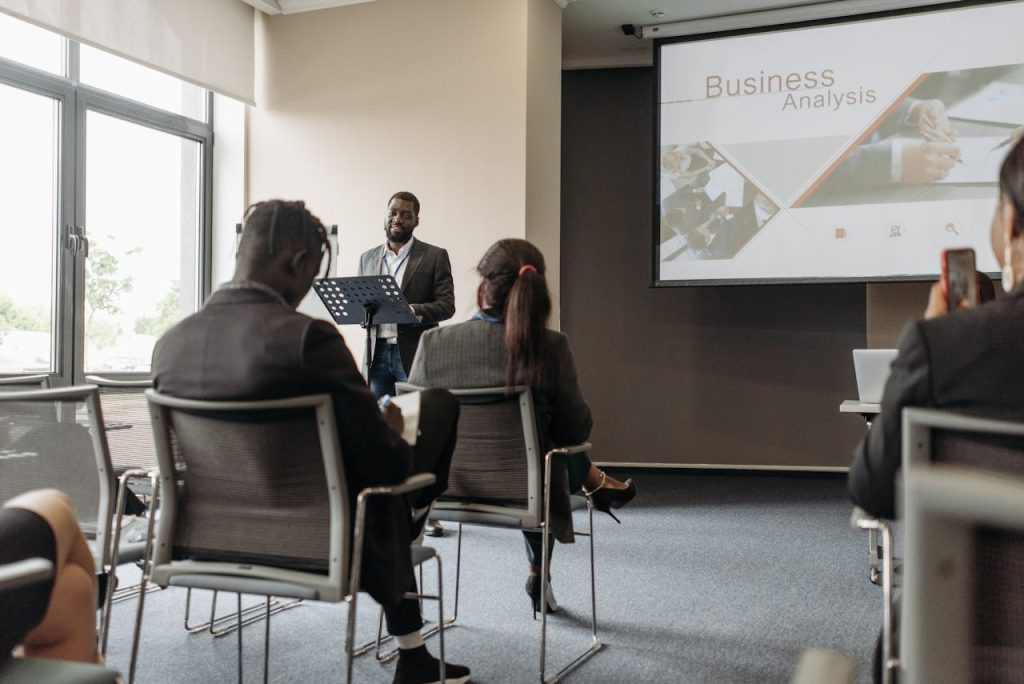
StrategyDriven Professional Development Article | How Advanced Business Education Shapes the Leaders of Tomorrow

Leadership today is different from what it was a few decades ago. Gone are the days when authority alone defined a great leader. In the modern business landscape, effective leadership requires adaptability, empathy, and the ability to think critically in a fast-changing environment. The leaders of tomorrow must understand not just people, but also technology, global trends, and data-driven decision-making.

As businesses expand across borders and industries become more interconnected, the challenges facing executives have grown more complex. Leaders are now expected to balance profitability with sustainability, ethics, and innovation. Advanced business education has become a crucial tool in preparing individuals for these multifaceted roles. MBA programs, in particular, offer a structured path for professionals who want to strengthen their strategic mindset and leadership abilities while gaining a global perspective.

Modern leadership is about more than managing teams. It’s about guiding organizations through uncertainty, disruption, and opportunity. That’s where advanced business education plays an essential role, shaping leaders who can think strategically, act responsibly, and inspire those around them.

Bridging Knowledge and Practice: How MBAs Develop Strategic Thinkers

The foundation of modern leadership lies in the ability to connect knowledge with real-world application. MBA programs are designed to do exactly that. They combine business theory, case studies, and hands-on experience to help students develop critical thinking and problem-solving skills. Unlike traditional degrees, MBAs are focused on producing professionals who can adapt their learning to a variety of industries and challenges.

For example, pursuing an online MBA in Supply Chain Management helps professionals gain the analytical and leadership skills necessary to manage global operations effectively. The program equips students with a deep understanding of logistics, procurement, and strategic sourcing, skills that are vital for navigating today’s interconnected markets. It also emphasizes innovation and efficiency, preparing graduates to lead organizations through complex business environments where global supply chains are constantly evolving.

The University of North Carolina Wilmington (UNCW) offers this program, which is designed for working professionals seeking flexibility without compromising quality. Students learn from experienced faculty who bring real-world industry expertise into the virtual classroom, ensuring that every lesson ties back to practical business applications. The curriculum blends strategic thinking with data-driven decision-making, empowering students to lead with confidence and agility in competitive industries.

MBA programs like these don’t just build technical knowledge. They nurture leadership potential. Through collaborative projects, leadership modules, and exposure to global business practices, students develop the confidence and foresight needed to manage both people and systems effectively.

The Human Side of Leadership: Emotional Intelligence and Collaboration

While technical expertise is important, great leaders are defined by their ability to connect with others. Advanced business education places growing emphasis on emotional intelligence and communication skills. Students learn how to manage diverse teams, handle conflict constructively, and foster an inclusive work culture.

MBA programs often incorporate team-based projects and simulations that reflect real business scenarios. These experiences teach future leaders how to collaborate under pressure, listen actively, and adapt to different communication styles. They also highlight the value of empathy in leadership, understanding what motivates others, and aligning that with organizational goals.

By focusing on the human side of leadership, MBA graduates leave not only with sharper analytical skills but also with the emotional awareness to inspire trust and loyalty among their teams. In a world where culture and collaboration drive performance, this balance between intellect and empathy is indispensable.

Innovation and Global Perspective: Preparing Leaders for a Changing World

Business today is global, digital, and dynamic. To thrive in this environment, leaders must understand how technology, sustainability, and innovation intersect. Advanced business programs expose students to these trends through case studies, global partnerships, and cross-cultural learning opportunities.

An MBA encourages innovation by challenging students to think beyond traditional models. Whether developing a new business plan, improving operational processes, or identifying emerging market opportunities, students learn to approach challenges with creativity and a global mindset.

This global exposure also helps students appreciate cultural diversity and international business practices. The ability to work seamlessly across borders has become one of the most valuable leadership skills in today’s interconnected economy.

Earning an MBA is not the end of the journey. It’s the beginning of lifelong learning. The best leaders understand that education doesn’t stop with a diploma; it continues through experience, mentorship, and curiosity. Advanced business programs instill this mindset early, encouraging students to stay adaptable in a world that’s always evolving.

Graduates who embrace continuous learning remain open to new ideas and technologies. They lead by example, inspiring others to keep growing and improving. This mindset helps them navigate industry shifts, economic challenges, and technological changes with confidence.

Ultimately, leadership is about evolution, becoming better today than you were yesterday. Advanced business education provides the foundation, but it’s a leader’s commitment to ongoing growth that shapes the future of organizations and industries.

Transform Your Leadership Potential with an Executive Coaching Course

Transform Your Leadership Potential with an Executive Coaching Course | StrategyDriven Professional Development Article

In today’s demanding business world, leadership is no longer about authority or status. It’s about understanding people, managing complexity, and inspiring change. The challenges faced by senior professionals today require a deeper level of awareness and adaptability. That’s where an executive coaching course becomes invaluable — a structured way to expand your leadership capacity and create meaningful results through self-reflection, practice, and insight.

Why Modern Leaders Need Coaching More Than Ever

The role of a leader has evolved. Decision-making is faster, teams are more diverse, and the pressure to perform is constant. Many executives find themselves reacting to circumstances instead of leading with clarity. Coaching changes that dynamic.

Through focused dialogue and reflection, you learn to step back from the noise and see patterns that influence behaviour — both in yourself and in your team. You develop the ability to lead with intention rather than impulse. A well-designed coaching programme helps you understand how your mindset and communication affect outcomes, allowing you to build stronger, more collaborative relationships.

The Power of Self-Reflection in Professional Growth

True leadership begins with self-awareness. Without it, even the best strategies can fall flat. Coaching encourages honest reflection, helping you identify not only your strengths but also the habits and assumptions that hold you back.

In an executive coaching course, reflection is paired with action. You apply new insights directly to your leadership context — testing, adjusting, and learning continuously. Over time, this builds emotional intelligence, resilience, and the confidence to face challenges with calm determination.

What Sets an Executive Coaching Course Apart

Unlike traditional leadership training, coaching is personal and experiential. You don’t just absorb information; you transform how you think and act. The learning happens through conversation, supervision, and real-world application.

At Intact Academy, the programmes combine proven psychological frameworks with decades of practical experience in leadership and organisational development. Participants work in small groups, guided by expert coaches, to explore behavioural dynamics, group processes, and authentic communication. It’s a journey that balances theory and practice while challenging you to grow beyond your comfort zone.

A comprehensive executive coaching course gives you the tools to understand human motivation, navigate organisational politics, and manage change effectively. More importantly, it helps you become a grounded leader — one who leads with purpose and emotional balance.

The Long-Term Impact of Coaching on Leadership and Culture

When leaders grow, organisations change. Coaching has a ripple effect that extends beyond the individual. It influences how teams collaborate, how conflicts are resolved, and how decisions are made. Leaders who develop through coaching tend to foster open communication, accountability, and trust — the building blocks of a healthy workplace culture.

Graduates of executive coaching programmes often describe the experience as transformative. They report greater confidence, improved relationships, and renewed clarity about their career direction. These benefits extend into every part of life, from professional challenges to personal wellbeing.

Investing in coaching is not about fixing weaknesses; it’s about realising potential. The modern workplace demands leaders who can think systemically, act ethically, and adapt gracefully. Coaching provides the space and structure to develop those capabilities.

Leadership growth doesn’t happen by chance. It’s a deliberate process of reflection, feedback, and courage. Through an executive coaching course, you don’t just learn to lead others — you learn to lead yourself. That’s the true foundation of lasting, meaningful success.

Strategic Learning: Building the Foundation for a Successful Management Career

Strategic Learning: Building the Foundation for a Successful Management Career | StrategyDriven Professional Development Article

In today’s fast-changing business world, success in management goes far beyond having a title or years of experience. It’s about how well you adapt, learn, and grow in an environment that constantly evolves. Whether you’re leading a small team or managing large-scale operations, your ability to learn strategically can define your career path.

Strategic learning isn’t just about collecting information; it’s about developing the mindset and skills to apply knowledge in meaningful ways. You learn to think critically, make informed decisions, and turn insights into results. For many aspiring leaders, formal education offers a powerful starting point. Programs designed for working adults and online learners have made it easier than ever to strengthen your foundation in management while balancing a busy lifestyle.

This approach leads directly to the importance of education in strategic learning, particularly when pursuing opportunities that blend flexibility with professional growth.

The Role of Education in Strategic Learning

Education is one of the most effective ways to develop a strategic learning mindset. While experience offers valuable lessons, structured education provides the framework to understand why things work the way they do. It connects theory to practice, helping you make smarter decisions and lead with confidence.

In today’s fast-moving workplace, many professionals are turning to flexible learning options that let them advance their careers without pausing their current roles. These programs balance academic knowledge with practical application, making them ideal for aspiring managers.

If you’re preparing to take the next step in your leadership journey or want to strengthen your ability to think and act strategically, enrolling in a management degree online helps you build these essential skills while managing personal and professional commitments. Through St. Cloud State University, you’ll explore real-world management concepts with leadership and strategic-thinking development to prepare you for effective team and organizational leadership.

Through flexible coursework, you’ll learn to analyze data, manage people, and make informed decisions that drive business results. The curriculum emphasizes collaboration, critical thinking, and adaptability, qualities that define effective leaders in today’s dynamic business environment.

This kind of structured yet flexible learning experience doesn’t just teach you what to think; it helps you learn how to think strategically. Applying these lessons in your current or future roles builds the habits of a lifelong learner, an essential foundation for lasting success in management.

Cultivating a Strategic Learning Mindset

Strategic learning begins with a mindset. It’s the ability to see every experience, whether positive or challenging, as an opportunity to grow. In management, this means asking questions, staying curious, and being open to feedback. When you adopt this mindset, you start to recognize patterns, anticipate outcomes, and adapt faster to change.

To strengthen this approach, focus on being proactive about your development. Set personal learning goals and review them regularly. Take time to reflect on your decisions, what worked, what didn’t, and why. Seek mentorship from experienced professionals who can provide new perspectives. Over time, this intentional approach to learning helps you become more self-aware, confident, and capable of leading with purpose.

Integrating Theory With Practice

Strategic learning goes beyond classrooms; it comes to life when theory meets practice. Effective managers apply what they learn directly to their work, whether by testing new leadership approaches or using decision-making frameworks in real projects.

Putting knowledge into action deepens understanding and builds credibility. It shows your team that you can turn learning into results. Over time, this practical application of strategic learning helps you make stronger, more confident decisions.

Continuous Learning in a Changing Business Landscape

The business world is evolving rapidly. New technologies, global markets, and shifting customer expectations demand that managers stay ahead of change. Strategic learning is about committing to continuous growth throughout your career.

Even after completing formal education, you can keep advancing by attending webinars, taking short online courses, or joining professional networks. Staying updated on trends like digital transformation, sustainability, and data-driven management helps you make smarter, more informed decisions.

Continuous learning keeps you not only current but adaptable. It enables you to anticipate change, embrace innovation, and lead your team confidently through uncertainty, an advantage that defines successful managers in today’s competitive world.

Building a successful management career requires more than experience; it demands a commitment to strategic learning. When you continuously seek knowledge, reflect on your actions, and apply insights with intention, you lay the foundation for lasting success.

Education plays a vital role in shaping this journey. Programs designed for flexibility and practical learning can help you build the leadership and analytical skills you need to thrive in today’s business world.

In the end, strategic learners don’t just manage people; they inspire growth, lead with purpose, and create opportunities for themselves and others. By learning strategically, you’re not only preparing for success, you’re defining what success looks like on your own terms.

7 Small Changes That Turn a Good Car Salesperson Into a Great One

7 Small Changes That Turn a Good Car Salesperson Into a Great One | StrategyDriven Professional Development Article

Being great at car sales isn’t about having some secret gift for closing deals. The best salespeople usually get there by making small, steady improvements — asking better questions, following up more thoughtfully, and really listening to what customers need.

These small changes might not look dramatic on their own, but together they build trust. And trust is what turns a good salesperson into someone buyers feel comfortable working with.

In this guide, we’ll cover practical, everyday ways to sharpen your approach — from tightening lead handling to spotting buying signals faster. You’ll also see how the right tools can help you stay consistent, so these habits stick and your results keep growing.

1. Start by Asking Better Questions

The first small change is simple: ask a better question in every conversation. Move away from “Are you looking to buy today?” and start with open-ended questions like:

  • “What’s the most important thing this car needs to do for you?”
  • “How will this vehicle fit into your everyday routine?”

These questions create dialogue, uncover hidden objections, and let you connect features with real needs. Customers feel heard — which is half the battle in earning their trust.

2. Build a Smarter Follow-Up Routine

Follow-up is where many deals are lost. Instead of making ad-hoc calls or sending endless emails, commit to a clear and consistent cadence. Each touch should add value, like sharing new financing options or alerting them to inventory updates.

Developing strong follow-up discipline is one of the most crucial car salesman skills for hitting monthly targets. Tools like AutoAlert even turn these skills into action by surfacing real-time shopper data and recommending who to call next — so no lead slips through the cracks. This combination of human habit and automated insight is what moves sales teams from “good” to “great.”

3. Capture and Use Insights From Every Conversation

After each interaction, jot down one key insight about the customer — a budget range, a must-have feature, or a timing clue (“looking to buy before summer”). Over time, these notes help you personalize your outreach and create more effective offers.

When these insights are logged and shared with the team, they turn into a goldmine. Imagine opening a lead profile and immediately seeing that the shopper’s top priority is safety features — now you know exactly where to focus your pitch.

4. React Quickly to Buying Signals

Another powerful micro-shift: respond faster when customers show intent. Examples include multiple visits to your vehicle detail pages, price check requests, or clicking a payment calculator.

Commit to acting within two hours of these signals. A quick text or call — “I noticed you were checking the SUV again, would you like me to hold it for a test drive?” — can catch a shopper at peak interest.

5. Listen More, Talk Less

A common trap is jumping into a sales pitch too early. Instead, pause before responding and use probing questions to clarify the customer’s concern. For example:

Customer: “That payment seems high.”
 You: “Got it — is it the monthly number or the upfront cost that’s throwing it off?”

This small pause often gives customers space to explain their reasoning. Your response can then be tailored to what they actually care about, instead of guessing.

6. Putting It All Together

The key to turning a good car salesperson into a great one is layering small changes step by step instead of trying to fix everything at once. Here’s how you can roll this out over a month without overwhelming your team.

Start with one habit at a time:

  • Week 1: Focus on asking one better, open-ended question in every conversation. Track how many conversations turn into meaningful discussions after you use the new question.
  • Week 2: Set a simple three-step follow-up routine — reach out on Day 1, check in again on Day 3, and follow up once more on Day 7. Notice how many leads respond when you stay consistent instead of leaving follow-ups to chance.
  • Week 3: Make it a rule to log one key insight after every customer interaction. Aim to have every lead in your CRM tagged with at least one useful note.
  • Week 4: React quickly to buying signals — within two hours if possible. Monitor how many of those timely responses lead to appointments or test drives.

Each week builds on the last, helping you turn these small changes into habits. By the end of 30 days, you’re not just doing isolated tweaks — you’ve created a repeatable process that improves conversations, follow-ups, and close rates across the board.

7. Reinforce Wins and Build Momentum

Culture matters. Share small wins with your team — the saved deal from a fast follow-up, or the appointment booked because you asked a better question. This keeps energy high and helps others adopt the same habits.

Even simple shout-outs during a morning huddle can motivate reps to stick with these small changes until they become second nature.

Final Thoughts

Turning a good salesperson into a great one doesn’t mean reinventing the wheel. It means tightening the small moments that matter — the question you ask first, the note you log, the follow-up you send, and the timing of your outreach.

With a mix of human habit and smart tools that keep you on track, these micro-shifts add up to better conversations, more trust, and ultimately, more sales. Start small, measure what matters, and let consistency do the heavy lifting.

10 Surprising Strategies That Help Students Improve Executive Function Skills

10 Surprising Strategies That Help Students Improve Executive Function Skills | StrategyDriven Professional Development Article

What Are Executive Functions?

Executive functions are the mental skills that enable students to plan, focus attention, remember instructions, and juggle multiple tasks successfully. These essential skills develop gradually as students grow and are used in everyday situations, from organizing a backpack to navigating group work. Strengthening executive function can have a significant impact on academic performance and daily life. For many students, building these skills requires additional strategies or specialized executive function tutoring tailored to individual needs.

Examples of executive functions at work in a student’s routine include finishing homework before playing video games, remembering to bring necessary supplies to class, and managing emotions during stressful tests. These tasks can often feel overwhelming, but with the right support and strategies, students can thrive.

Why Executive Function Skills Matter for Students

Strong executive function skills help students excel not only academically but also in personal and social settings. These skills are foundational for problem-solving, goal-setting, and self-control, traits essential for success in school and beyond. Students who strengthen executive function skills demonstrate greater resilience, adaptability, and confidence in everyday life. For those preparing for standardized tests, working with SAT tutors near you can provide tailored strategies that complement these cognitive skills, helping students approach challenges more effectively.

Social relationships also benefit when students develop these skills. Effective communication, empathy, and emotional regulation, elements essential for friendships and teamwork, are closely tied to executive functioning. This holistic development sets the stage for success across all areas.

Strategy 1: Developing Routines

Morning and evening routines create structure, reduce decision fatigue, and help students start and end the day with calm and purpose. Simple habits, such as packing a bag the night before, setting out clothes, or reviewing the schedule at breakfast, often lead to lower stress levels and improved focus throughout the day.

Strategy 2: Using Visual Reminders

Calendars, color-coded schedules, sticky notes, and checklists are excellent visual reminders that reinforce memory and organization. These tools serve as external cues, helping students remember deadlines, tasks, or steps in long-term projects. Visual reminders are most effective when placed in high-traffic areas or used consistently with routines.

Strategy 3: Practicing Mindfulness

Mindfulness exercises such as deep breathing, short guided meditations, or focused attention activities help students center themselves and reset during stressful moments. Studies show that students who practice mindfulness regularly improve their attention span and emotional regulation, which directly benefits their executive functions.

Strategy 4: Breaking Tasks Into Steps

Dividing large projects into manageable steps, or “chunking,” makes assignments feel less overwhelming and builds task persistence. For example, rather than write a report in one sitting, a student can break it down into researching, outlining, drafting, and editing. Teachers often model this approach in classrooms, reinforcing the power of small, steady progress.

Strategy 5: Organization Tools and Apps

Planners, bullet journals, and digital apps like Trello or Google Keep provide structure and help keep track of assignments and priorities. Some students prefer paper tools they can physically check off, while others thrive using mobile reminders and virtual calendars. It’s essential to try different systems and stick with what fits best.

Strategy 6: Building Self-Monitoring Habits

Encouraging students to pause and recognize their distractions, frustrations, or learning needs builds self-awareness. Prompts such as “What is distracting me right now?” or “Did I check my work for mistakes?” support ongoing self-reflection. Over time, this habit leads to greater independence and self-correction.

Strategy 7: Time Management Techniques

Techniques like the Pomodoro method—working for 25 minutes followed by a short break—help students break work into focused sessions, promoting productivity and sustained attention. Using timers and planning downtime helps ensure a healthy balance between schoolwork and leisure, thereby reducing the risk of burnout.

Strategy 8: Learning to Prioritize

Creating priority lists and using digital or printable checklists empower students to identify the most urgent or essential tasks each day. Organizing schoolwork by due date or effort required helps students avoid procrastination and stay on top of their responsibilities.

Strategy 9: Encouraging Positive Self-Talk

Teaching students to replace negative inner dialogue (“I always mess up”) with positive affirmations (“I can improve with practice”) builds resilience and motivation. Language swaps and affirmations not only increase confidence but also support a growth mindset—critical for overcoming challenges in learning and life.

Strategy 10: Seeking Support and Mentorship

Knowing when and how to seek help—whether from peers, teachers, counselors, or a mentor—makes a big difference for students with executive function challenges. Support networks provide accountability, encouragement, and perspective, all of which contribute to long-term personal and academic growth.

Conclusion & Key Takeaways

Improving executive function skills is a journey, but the process becomes much smoother with the right strategies in place. By establishing routines, utilizing reminders, practicing mindfulness, and seeking support, students can transform their everyday habits and approach to learning.