How Job Search Platforms Are Shaping Modern Careers
In today’s rapidly evolving professional landscape, job search platforms have become a central tool in shaping modern careers. These digital platforms streamline the process of connecting talent with opportunity, allowing job seekers to explore a wider range of positions than ever before. By aggregating listings, offering customizable search filters, and providing insights into company culture and hiring trends, these platforms empower individuals to make informed decisions about their career paths. They have transformed traditional job-hunting methods into a more dynamic, data-driven experience, enabling candidates to target roles that align with their skills, interests, and long-term goals.

For professionals aiming for leadership positions, specialized tools make it easier to identify high-level opportunities. Platforms designed to help users find executive job listings, for instance, allow candidates to navigate the competitive landscape of senior roles efficiently. By centralizing access to opportunities and career resources, these platforms continue to redefine how careers are built, offering both flexibility and strategic advantage in the job market.

The Rise of Job Search Platforms

The rise of job search platforms has fundamentally changed the way professionals approach their careers. By consolidating thousands of job listings in one place, these platforms offer unprecedented access to opportunities across industries and experience levels. They not only simplify the application process but also provide tools for networking, skill assessment, and career planning, making it easier for job seekers to navigate competitive markets. In addition, regional platforms are gaining traction, connecting candidates with local opportunities that match their expertise. For instance, the best Miami job site serves as a key resource for professionals seeking positions in that area, offering curated listings and insights into local employers. Overall, these platforms continue to shape modern careers by making the job search more strategic and accessible.

The Influence of Social Media on Job Searches

Modern job seekers, especially younger generations, are increasingly turning to social media for career advice, networking, and even job leads. According to a study highlighted by Fortune, 70 percent of Gen Z individuals are finding valuable career advice on platforms such as TikTok, Instagram, and YouTube. These interactive environments allow users to engage with authentic career experiences and benefit from real-time mentorship from professionals in their chosen fields.

Social media has also blurred the lines between personal and professional branding, making it important for job seekers to curate their profiles thoughtfully. This shift has redefined networking; recruiters and candidates alike now seek each other out in more creative, immediate ways, often using hashtags and viral content to capture attention.

Integration of Artificial Intelligence in Recruitment

Artificial intelligence tools are now integrated into many recruiting platforms, significantly changing the recruitment landscape. AI-based job recommendation systems suggest the most suitable roles based on a candidate’s experience, skills, and preferences, thereby improving job matching.

The integration of these smart technologies also introduces greater competition. As AI enables more users to quickly find and apply for the best-fitting roles, candidates must put extra effort into personalizing applications and standing out. Human recruiters, on their end, rely on AI to filter resumes by keywords and predicted fit, which can inadvertently introduce new biases or overlook qualified applicants if not managed thoughtfully.

The Importance of Mobile Recruiting

The rise of smartphone use has permanently altered the job search process. More than 89 percent of modern job seekers consider their mobile device essential in their job hunt. Mobile-optimized career sites, recruiting apps, and digital resources allow applicants to research companies and submit applications from anywhere at any time. For businesses, not optimizing for mobile means missing out on top candidates who expect convenience and speed.

Employers are now investing in mobile-first strategies to ensure their application processes are frictionless. Push notifications, digital interview scheduling, and mobile-friendly assessments are becoming the standard as the workforce becomes increasingly tech-savvy.

Challenges in the Modern Job Search Landscape

As job platforms have made the career search more accessible, they have also increased the volume and competition in applicant pools. The ease of applying means that companies regularly receive hundreds of applicants for a single posting, making it more challenging for qualified candidates to get noticed.

Another issue is the proliferation of “ghost jobs,” or listings for roles that are not actively being filled. Some employers keep these posts active to create an impression of ongoing growth or to collect resumes preemptively, which can be misleading and frustrating for sincere job seekers. Identifying legitimate opportunities now requires more scrutiny and perseverance than ever before.

Conclusion

Job search platforms have fundamentally changed how people plan, pursue, and secure their careers. The opportunities they present are vast but require users to be strategic in utilizing a mix of digital and human resources, staying adaptable as new technologies shape the employment landscape. Navigating these platforms thoughtfully, by maintaining strong digital profiles, leveraging recruiting networks, and staying alert to ongoing challenges, will be key to professional advancement in an increasingly digital world.


How an MBA in Supply Chain Management Creates Growth-Oriented Leaders

How an MBA in Supply Chain Management Creates Growth-Oriented Leaders | StrategyDriven Professional Development Article

Supply chain leadership grows ever more challenging as business expansion speeds up. Service demands push one way while costs and risks tug in opposing directions, creating tension across the organization.

An MBA in Supply Chain Management cuts through that complexity. It aligns competing pressures within one unified operating framework. Students master linking daily operations to broader strategy, financial analytics, and leadership skills.

MBA graduates gain the skills necessary to manage supply chains in environments characterized by volatility, while aligning operations with long-term business strategy and supporting steady growth.

Integrating Operations With Strategy

Growth rarely comes from isolated improvements. It comes from a series of connected decisions that balance demand, capacity, suppliers, and cash.

MBA coursework helps turn that complexity into a strategy teams can execute with consistency. Tools such as value stream mapping, constraint analysis, and network design clarify where profit is under pressure and where targeted investment will unlock performance.

With that strategic view in place, focus areas can be defined before any organizational realignment begins. Service levels, cost to serve, and working capital impact are evaluated early, which keeps tradeoffs visible and prevents scope drift later.

In MBA supply chain management programs, planning methods and leadership practice bring finance, sales, operations, and procurement into a single operating plan that is both realistic and measurable.

Once alignment is built, decisions can be communicated with clarity. A promise of faster delivery may require inventory buffers, automation, or supplier redundancy, and each option carries a different cost and risk profile. These issues must be communicated clearly and in language that is understood by stakeholders across the organization.

Leading With Data and Decision Discipline

Growth-oriented leadership requires faster decisions with fewer surprises. MBA training builds that advantage through an understanding of analytics and strategic insight. Problem framing improves, metrics become more meaningful, and false assumptions are replaced by practical accuracy. Dashboards stop being noise and become tools for action.

An MBA allows management to take a holistic view of operations. Demand planning shifts from a single forecast to scenario-based thinking. Statistical methods, market signals, and cross-functional input are combined to reduce bias and quantify uncertainty.

Risk becomes measurable, which supports confident commitments to customers and better inventory decisions.

Supply chain choices also become capital allocation exercises. Automation, capacity expansion, and supplier development are compared using net present value, payback, and risk exposure. When disruption hits, analysis supports targeted prioritization of critical customers, stabilization of cash flow, and the optimization of quality service. This eliminates knee-jerk, reactive spending.

Building Cross-Functional Influence

Supply chain leaders don’t win by being right in isolation. They win by getting others to move in the same direction. That approach enhances influence across finance, sales, operations, procurement, and customer teams.

An MBA focusing on supply chain management helps sharpen how ideas get communicated and how disagreements get resolved. Finance conversations become more focused because they connect to margin, cash conversion, and risk-adjusted returns. Commercial conversations become easier because they link service performance to retention, revenue, and brand trust.

An MBA allows graduates to optimize how contracts and governance can support dual sourcing, clearer escalation paths, and shared quality goals. Those basics sound simple, but in practice, they prevent repeated failures and shorten recovery time when the business faces disruption.

Executive communication becomes more direct as well. Options get presented with clear tradeoffs and a strategically-aligned path forward. Owners, milestones, and decision points are clarified up front. That clarity builds confidence and keeps change initiatives moving even when other priorities compete.

Design Resilience for Expansion

Expansion looks clean in a growth plan, but the supply chain disruptions can derail even the most carefully crafted strategies. Lead times can stretch, capacity tighten, and the resulting service cracks show up fast. MBA-level skills help leaders build networks that scale without causing disruption.

Facility placement, transportation choices, and inventory policies are evaluated through a structured framework lens, rather than habit. The goal isn’t perfection. It’s stability under pressure.

Resilience is also prioritized. Multi-tier supplier visibility, alternative materials sourcing plans, and contingency playbooks get integrated into the operating model. Risk management weaves into planning cycles and sourcing reviews. Weak points surface early, enabling teams to address issues before they become disruptive.

Sustainability integrates practically. Emissions, waste management, and ethical sourcing shape regulation, customer expectations and long-term costs. Leaders measure environmental impact next to service costs. This protects growth and reputation as expansion draws more scrutiny.

From Capability to Growth Leadership

An MBA in Supply Chain Management creates leaders who link operational choices to business results. Strategy, analytics and finance combine to provide the foundation of a toolkit focused on more robust planning, sharper execution and resilient growth.

Over time, these advantages stack. Clear tradeoffs and better governance, as well as steady change leadership, optimize growth, and initiatives stay sustainable even as conditions shift.

How Early Life Experiences Shape Adult Workplace Behavior

How Early Life Experiences Shape Adult Workplace Behavior | StrategyDriven Professional Development Article

Why is it that some people thrive in chaos, while others need a color-coded calendar just to make it through the week? In any office, warehouse, or Zoom room, you’re bound to run into personalities shaped not only by past jobs, but by something much deeper: childhood. Before we learned to schedule meetings or ask for a raise, we learned how to deal with authority, conflict, and trust — often around a kitchen table or in a noisy classroom.

The Family Office

It’s easy to forget that our first “teams” weren’t made up of colleagues but family members. Siblings were peers, parents acted as managers, and grandparents? Let’s call them senior consultants. From these early roles, we picked up patterns. If you had a caregiver who expected perfection, you might now overprepare for a 10-minute presentation. If you grew up needing to “read the room” at home, chances are you’re pretty good at navigating tricky office politics.

Of course, these patterns aren’t always visible. Most people don’t walk into a quarterly review saying, “My attachment style is avoidant because my dad never listened.” But those invisible scripts can shape how we respond to feedback, pressure, or even praise. They can also influence how we lead, whether we trust others to take charge, or if we secretly believe we’re the only one who can “do it right.”

From Playgrounds to PowerPoints

Childhood wasn’t just about finger painting and field trips. It was our training ground for everything from problem-solving to emotional regulation. The kid who got picked last for dodgeball might grow into the adult who hesitates to speak up in meetings. The class clown might become the colleague who masks insecurity with sarcasm.

This is where education intersects with self-awareness. People who’ve studied early human development understand how the wiring gets laid down. If you’ve earned a degree in human development, you’ve probably explored how experiences like consistent support, early independence, or even household instability shape later behaviors. That knowledge isn’t just academic — it’s visible every day in how adults navigate deadlines, authority, or group dynamics.

As more workplaces start offering mental health benefits and coaching, we’re beginning to recognize that emotional intelligence doesn’t just pop up at age 30. It’s rooted in the stories we’ve carried since grade school — stories we often haven’t examined.

Micromanagers and Middle School

You don’t have to be Freud to recognize that control issues often start young. The micromanager who hovers over every email may have grown up in an environment where mistakes came with consequences. If you were scolded for every misstep, the idea of trusting someone else’s work can feel like emotional Russian roulette. On the flip side, someone raised in chaos might welcome a bit of structure — but reject authority that feels arbitrary.

This shows up in how teams function. A manager who trusts no one drains morale. A leader who shrugs at structure creates confusion. Neither dynamic is random; both are rooted in a past that the workplace never asked about — but constantly reacts to.

Trust Falls and Real Trust

Modern workplaces love a good trust fall. But building real trust? That’s harder when you’ve learned early on that people let you down. Childhood betrayals, whether through broken promises or inconsistent parenting, can result in adult colleagues who assume the worst. They interpret silence as judgment or assume critique is attack.

Meanwhile, others assume trust is a given, not earned. This mismatch creates tension. One person is trying to survive; the other is trying to collaborate. The result? Slack messages with passive-aggressive emojis and meetings that feel like therapy sessions without the co-pay.

The Rise of Workplace Therapy Culture

In the age of TikTok therapy and LinkedIn vulnerability posts, more professionals are exploring how early wounds show up at work. This trend isn’t just for start-up culture. Large corporations are hiring behavioral consultants, offering trauma-informed management training, and promoting work-life balance as more than just a buzzword.

It’s no coincidence that as conversations around childhood trauma, attachment styles, and neurodiversity enter the mainstream, office dynamics are also under the microscope. We’re asking questions like: Why does feedback feel like an attack? Why do I freeze in conflict? Why does collaboration exhaust me?

These aren’t HR problems — they’re human ones. And while your job might not be to unpack your co-worker’s childhood, understanding that behavior is rarely random can create a more compassionate and productive environment.

Reparenting Yourself at Work

The good news? Your childhood may have shaped your behavior, but it doesn’t have to define your future. Awareness is step one. You can’t change what you don’t notice. Once you start recognizing your workplace habits — why you avoid conflict, overdeliver, or can’t delegate — you can experiment with new ones.

This is where therapy, coaching, or simply intentional reflection comes in. You might realize your tendency to say yes to everything comes from a childhood fear of disappointing others. With practice, you learn to say no without guilt. That’s not just growth; that’s reparenting.

And when teams make space for this kind of reflection, they function better. Meetings become more focused. Feedback becomes a tool, not a trigger. Emotional safety becomes a shared value, not a luxury.

What the Office Can Teach Us (Besides Excel)

Ultimately, the workplace isn’t just a setting for professional development. It’s a mirror. Every deadline, disagreement, or group project reflects something about who we’ve been and who we’re becoming. Early life experiences don’t just linger in therapy rooms — they walk with us into conference calls, job interviews, and yes, even break rooms.

The more we normalize that truth, the more potential we unlock — not just for better workers, but for more whole, self-aware people. That doesn’t mean turning the office into a group therapy circle. It means seeing behavior in context, offering support where it matters, and holding space for growth without shame.

You may not be able to change your past. But understanding how it lives in the present? That’s the first step toward leading, working, and living more fully. And if all else fails, at least now you’ll understand why Jerry from accounting hates team-building exercises.

Preparing Leaders to Guide Others With Integrity and Purpose

Preparing Leaders to Guide Others With Integrity and Purpose | StrategyDriven Professional Development Article

Have you ever watched someone in charge and wondered how they got there? Not in a good way—more in a “who gave this person the keys?” sort of way. Leadership seems like it should come with a rulebook, but far too often, we see people rise to power with no clear purpose, shaky morals, and a talent for saying a lot without actually doing much. In a time filled with corporate scandals, political theater, and social media activism, we need better leaders—ones who guide with integrity and clear purpose.

The Problem With Performative Leadership

It’s not just you. There’s a growing sense that leadership today is often more about optics than outcomes. We’ve all seen the press conferences and LinkedIn posts filled with buzzwords like “authenticity” and “transparency,” only for decisions behind the scenes to tell a very different story. From CEOs quietly laying off thousands while praising their “people-first culture,” to influencers pushing mental health awareness in one post and promoting unhealthy hustle culture in the next, the gap between words and action is glaring. The result? Trust in leadership is dropping—and fast. According to the Edelman Trust Barometer, fewer people believe leaders are doing what’s right, not just what’s popular or profitable.

Why Purpose-Driven Leaders Matter

Leaders who operate with purpose are different. They know leadership isn’t about control, but about service. That sounds idealistic until you look at how people actually respond to it. Employees are more loyal to managers who share clear values and show consistent behavior. Communities are more likely to engage when leaders admit mistakes and show a real desire to listen. Even faith-based organizations are recognizing this. Many are rethinking how they train their leaders to ensure those in charge understand not just scripture, but also the human side of guidance.

Take the growing popularity of programs like a church leadership degree. These aren’t just about theology—they’re designed to develop emotional intelligence, communication skills, and ethical decision-making. That’s a shift from old models, where authority was often based solely on title or tradition. Now, more programs are prioritizing the ability to lead with clarity, humility, and direction—qualities that translate far beyond religious settings. Whether it’s guiding a congregation or leading a community outreach, this new wave of leadership education centers purpose, not ego.

Integrity Isn’t Optional Anymore

It used to be that “doing the right thing” was seen as a bonus trait in a leader. Today, it’s non-negotiable. Thanks to social media and digital transparency, unethical decisions don’t stay hidden for long. One questionable email or tone-deaf campaign, and it’s all over the internet. Accountability is no longer a PR move—it’s baked into the environment. And that’s a good thing. Leaders who operate with integrity are more consistent, more respected, and more prepared to handle challenges when things go wrong. Integrity isn’t about being perfect. It’s about being dependable when it counts.

Leading Through Uncertainty

The last few years have been a masterclass in uncertainty. Pandemic shutdowns, remote work, political division, and climate change have forced leaders to make tough choices with limited information. Those who succeeded weren’t the loudest or the most confident—they were the ones who stayed grounded, flexible, and honest. Leadership today isn’t about having all the answers. It’s about being able to say, “We don’t know everything yet, but here’s what we’re doing right now.” That kind of leadership builds trust. And trust, more than charisma or credentials, is what helps people stay together when things get hard.

Real Leadership Looks Like Listening

We often picture leaders standing at the front of a room, talking. But real leadership happens when they stop talking and start listening. Listening doesn’t just mean waiting for your turn to speak. It means making space for other people’s voices, even when they challenge your ideas. Especially when they challenge your ideas. Leaders who truly listen make better decisions because they understand the needs of the people they’re serving. They don’t guess or assume. They ask, they learn, and they grow. In an age where being loud gets more attention, choosing to listen is a radical act—and a powerful one.

Values Need Action, Not Just Posters

Every organization has values printed somewhere: in a mission statement, on a website, or in big bold letters on the breakroom wall. But if those values don’t show up in real decisions, they don’t mean much. Leaders who guide with integrity don’t just recite values—they live them. That means choosing people over profit when needed, speaking up when it’s inconvenient, and making decisions that align with long-term goals, not short-term gain. It’s easy to write “inclusion” on your website. It’s harder—but far more meaningful—to make your hiring practices reflect it.

Building Leaders at Every Level

We tend to think leadership only applies to people with titles: manager, director, CEO, pastor. But real leadership shows up everywhere. A nurse who speaks up for patient safety, a student who organizes a community event, or a cashier who supports their team during a rush—these are all acts of leadership. Preparing leaders doesn’t just mean training those at the top. It means encouraging everyone to see themselves as capable of making a difference. It means making leadership less about status, and more about responsibility. And when more people feel empowered to lead, our systems become stronger, fairer, and more resilient.

Our current moment is begging for better leaders—ones who don’t just look the part, but who show up every day with clear purpose and honest intentions. The world doesn’t need more noise. It needs people who are willing to do the quiet, hard work of listening, learning, and leading with heart. Whether they’re shaping policies or organizing neighborhood cleanups, these are the leaders who move us forward. Not by force, but by example.

Top Benefits of Enrolling in an Online Nursing Program

Top Benefits of Enrolling in an Online Nursing Program | StrategyDriven Professional Development Article

Choosing to become a nurse is more than a career decision—it’s a commitment to making a real difference in people’s lives. Nurses serve on the front lines of healthcare, advocating for patients, supporting families, and ensuring communities remain healthy and resilient. Traditionally, gaining a nursing qualification required full-time, on-campus attendance, which meant that only learners who could devote their entire schedule to school could pursue this important vocation. However, the landscape of higher education has undergone significant evolution with the rise of digital technology. Today, technology has transformed access to nursing education, revolutionizing how and where students can learn. Those seeking flexibility without sacrificing quality now have a variety of online nursing programs Missouri and nationwide to choose from, making it easier for non-traditional students and career changers to find a path to a nursing career. Modern online nursing programs are structured to provide students with all the essentials—both theoretical and practical—that they need to thrive in this critical, compassion-driven field.

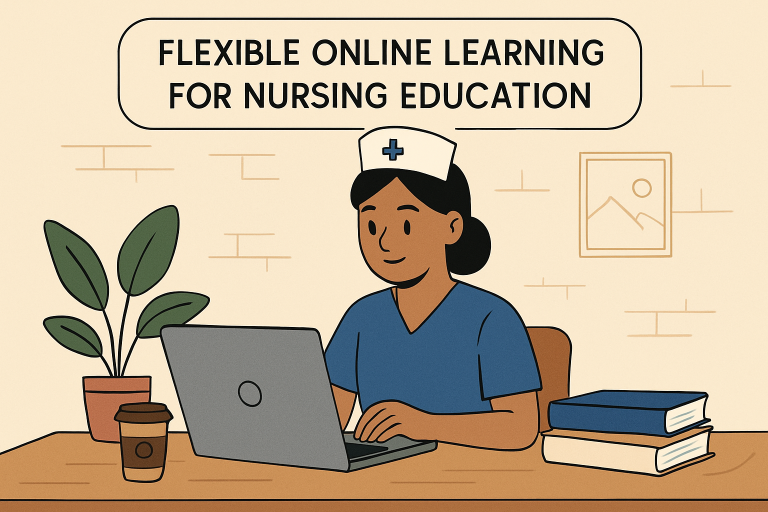
Online nursing education allows learners to balance their educational journey with work, family, and personal responsibilities. Instead of following a rigid academic calendar, students can often access lectures and course materials asynchronously, allowing for learning at any time of the day or night. The digital shift also enables a personalized, accessible, and community-focused approach to education, equipping aspiring nurses with the competitive skills necessary for the ever-evolving healthcare workforce. The potential for remote collaboration and technological skill-building also positions online-educated nurses for success in increasingly digital healthcare settings.

Flexible Scheduling

Online nursing programs, like at Northwest Missouri State University, offer great flexibility. Learners access lectures, assignments, and clinical modules at their own pace, helping working adults, parents, and those with commitments manage their education. Many balance jobs and family by creating personalized schedules, ensuring education doesn’t conflict with personal or professional obligations. The asynchronous format reduces stress by eliminating the need to attend classes at specific times, making nursing education more accessible for diverse lifestyles.

Additionally, many online nursing programs at institutions like Northwest Missouri State University offer multiple start dates throughout the year, allowing students to progress at their own pace. This opens the door for individuals to begin their journey whenever they are ready and accelerate or slow down as needed, potentially completing their degrees more quickly compared to traditional programs. This responsiveness to student needs is especially valuable for those navigating unpredictable work or family schedules, enabling them to remain in the workforce and provide for loved ones while pursuing their education.

Cost-Effectiveness

Pursuing a nursing education online often translates to lower overall costs. Students typically avoid substantial expenses associated with commuting, housing, parking permits, and campus meals. For learners who already have financial responsibilities, cost savings can make the dream of a nursing career much more attainable. Many online nursing programs utilize digital textbooks and subscription-based resources, saving money on the often-expensive physical materials and reducing the environmental impact associated with paper usage.

In many cases, tuition is reduced due to the lower overhead costs associated with online infrastructure compared to maintaining physical classrooms and facilities. This reduction in direct and indirect expenses enables students to focus more of their financial resources—from scholarships, grants, or personal savings—on achieving their educational goals and advancing their careers. It can also help minimize the need for student loans, setting online graduates up for more financial stability as they enter or advance in the nursing workforce.

Access to Advanced Technology

Modern online nursing programs utilize technology to deliver a dynamic and interactive learning experience. With high-fidelity virtual simulations, realistic patient scenarios, video demonstrations, and cutting-edge digital platforms, students are given the chance to practice and refine their clinical skills in a low-risk environment before transitioning to real-world settings. These educational tools often mirror the electronic health records, diagnostic systems, and telemedicine technologies found in today’s healthcare facilities, ensuring that new nurses are prepared not only for hands-on care but also for the technological aspect of modern medicine.

This experience benefits students by making them more adaptable and proficient with the range of digital solutions now integral to clinical practice. Gaining confidence with technology in the classroom can also make students feel better equipped when using advanced equipment and electronic systems on the job, ultimately improving patient care through greater accuracy, efficiency, and confidence.

Personalized Learning Experience

Online education allows nurses-in-training to control the pace of their studies. Those who grasp concepts quickly can move forward without waiting for peers. In contrast, others have the time to revisit lessons and supplemental materials as often as necessary until they feel confident. This individualized approach enhances retention and fosters a deeper understanding of complex medical topics—essential when preparing for both certification exams and clinical practice, where accuracy and knowledge are crucial.

Aside from control over pacing, many programs provide adaptive assessments and targeted, constructive feedback. These advanced tools analyze individual learning patterns and tailor further instruction accordingly, ensuring that each student receives the support they need. By accommodating diverse learning styles, online programs can help cultivate not only academic success but also greater self-confidence and motivation throughout the nursing journey.

Enhanced Interaction and Networking

Despite its virtual setting, online learning can foster strong professional relationships and offer many opportunities for interaction. Many nursing courses incorporate lively discussion forums, small peer groups, interactive classes, and collaborative group projects that connect learners from across the country—even around the world. These digital communities create a space where students can share insights, collaborate on care plans, and learn from one another’s unique backgrounds and experiences.

These collaborations establish a valuable support network that extends beyond graduation and can serve as a powerful resource for new nurses entering the workforce. Professional connections forged online can lead to mentorship opportunities, job leads, continued learning partnerships, and ongoing support—demonstrating the strength of community in virtual learning environments.

Accessibility for Rural and Underserved Areas

Online nursing degrees are especially beneficial for individuals in rural or medically underserved areas, where access to accredited nursing programs may be limited or unavailable. Rather than traveling long distances or relocating to attend college or university, students can learn from the comfort and safety of their own homes. This not only makes higher education more feasible but also increases enrollment among students who would otherwise be unable to participate in traditional programs.

Importantly, graduates are more likely to remain in their communities after completing their credentials, helping to address critical nursing shortages and providing much-needed healthcare services in regions that are desperate for providers. In this way, online nursing programs strengthen healthcare outcomes by empowering local talent to stay and serve where they are most needed.

Opportunities for Specialization

Online nursing programs offer a breadth of specialized tracks that may not be available in local colleges or universities. Students may pursue areas such as geriatric care, pediatric nursing, mental health, cardiac care, rural healthcare, or other specialty fields that align with their interests and the communities they wish to serve. Accessing this range of options enables aspiring nurses to tailor their education to high-demand roles and emerging specialties within the healthcare system.

Specialization not only strengthens job prospects and earning potential but also allows students to focus on the populations and fields where their passion and skills can make the greatest impact—ultimately providing more targeted, effective care for patients across the country.

Lifelong Learning and Continuing Education

Continuing education is a hallmark of the nursing field. With new research, protocols, and healthcare regulations constantly emerging, today’s nurses must keep pace by pursuing lifelong learning. Online programs make it easy for working nurses to earn continuing education units (CEUs) or new certifications, keeping up with licensure requirements and staying current with rapidly advancing medical knowledge without interrupting their careers. For more information, visit the American Association of Colleges of Nursing.

Whether advancing to a new degree, maintaining credentials, or responding to new health emergencies, nurses can conveniently build expertise while balancing employment, family, and other personal responsibilities. This ensures not only regulatory compliance but also enhances patient outcomes and personal satisfaction across a lifelong career.

Conclusion

Online nursing programs combine flexibility, cost savings, advanced technology, and accessible learning—without sacrificing educational quality. For those ready to embark on a fulfilling healthcare career, these programs offer a robust foundation for both clinical and professional growth. Aspiring nurses, especially those in remote or underserved areas, can achieve their ambitions and make a lasting impact on healthcare delivery by enrolling in an online program that fits their life, learning style, and community.