 A VETERAN OWNED SMALL BUSINESS |
Trade Show Exhibits for Modern Brands: Must-Have Elements to Turn Foot Traffic Into Real Leads
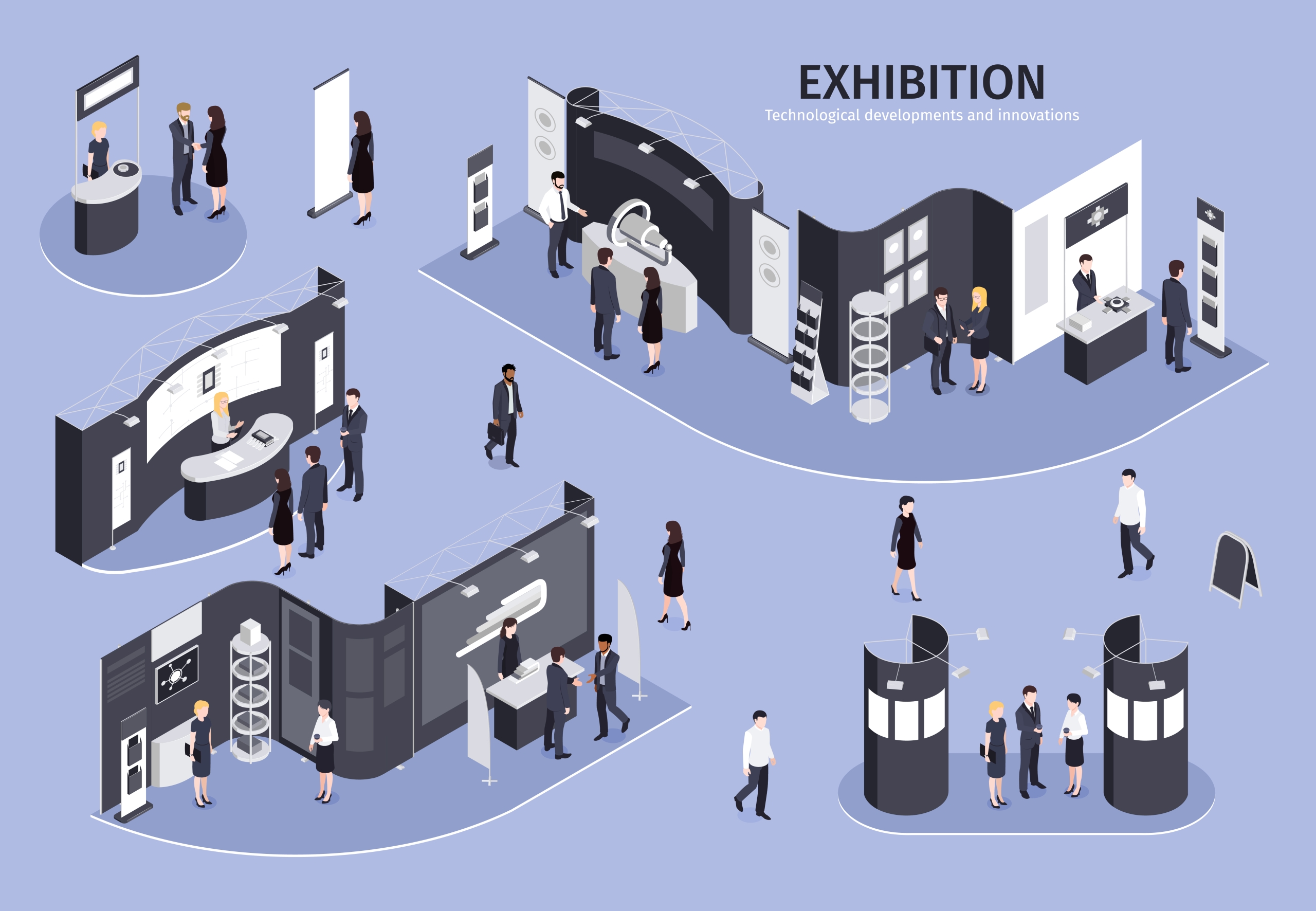
Trade shows still provide great opportunities for branding, developing relationships, and building a pipeline for customer acquisition when trade show exhibits are planned. Today’s customers move quickly, are visually oriented, and have many choices from which to make their decisions, so it is essential that a booth not only looks good but also provides more functionality. A custom trade exhibit serves as an example of the ideal combination of positive elements: design, technology, and interaction with people. These elements help create interest in a company’s products and ultimately help turn interest into qualified leads (prospective customers). Competition among exhibitors at trade shows continues to increase, and there is a growing gap between the number of visitors and how many people ultimately buy from them as a result of their visit. This is where the potential for an exhibit to facilitate engagement comes into play.
Five Essential Elements That Convert Visitors Into Leads
1. Hybrid Engagement Through Virtual Trade Show Exhibits
Incorporating features from both physical and online trade booths has been a standard for successful booth designs. Virtual trade show exhibits, such as interactive displays, online demos, or virtual tours, offer an extensive array of components that are otherwise absent from physical displays. By utilizing these tools, attendees will be able to tour the products, sample them at their leisure, and obtain significant data regarding their interactions. Furthermore, utilizing hybrid engagement during the event allows for all of the content and interactions that occurred to be shared, which enables continued conversations long after the exhibit has ended, thereby enhancing lead development.
2.Clear Messaging That Communicates Value Instantly
The messages displayed at an exhibit must be concise, direct, and easily understood. Often, people take just seconds to make a decision about attending an exhibit; therefore, a concise message is essential. A headline should indicate what a particular brand does, who it serves, and why it is important without having to go into detail. In addition to the message, images illustrating the benefits of the products or services offered should support it. The clarity of the message helps define its value, establish the right audience for the exhibit, and help start the interaction between attendees and the exhibitors with a clear understanding rather than confusion.
3.Strategic Layout That Encourages Flow and Interaction
The way a space is designed can directly impact how people move around and interact with everything in the exhibit. Having clear, open doors that allow easy access to the exhibit can reduce anxiety and encourage more people to visit. Clearly indicate areas for demos, discussions, displays, etc., to keep the interaction zones organized and avoid crowding. Good designs will help you avoid overcrowding, increase the average time visitors spend in the space, and create an overall positive experience for visitors. A well-designed space will feel comfortable to move around, therefore making it more likely that they will have conversations with others and share their experiences.
4. Interactive Touchpoints That Invite Participation
Modern-day exhibitions emphasize engagement over onlookers. Everyday features like interaction (examples include live demonstrations, touch screens, product demonstrations, and hands-on displays) provide a lasting impression of deeper interest through the interactive nature of the exhibit. This will help people connect with your exhibit and generate leads through this communication. That’s how interactive or experiential designs change the performance of booths, provide opportunities to impart information, and have a quality of communication to convert leads.
5. Seamless Lead Capture and Follow-Up Integration
To turn site visitors into leads, capturing information seamlessly is crucial. That means providing online lead forms, allowing attendees to scan their badges, providing a QR code, or providing a tool attached to the CRM that automatically shows the information that was collected to easily convert them. In addition to that, showing the next steps to be taken (i.e., to schedule a demo, download content, or avail a limited-time offer) following the interaction can help build that momentum even after the show has ended. Following up on these leads effectively with a strategy will convert your exhibit interactions into tangible results, eliminating the gap between visibility and ROI.
End Point
In today’s marketplace, the success of any trade show largely depends upon how well-optimized the exhibit space is for foot traffic. Instead, these spaces need to be designed with a specific goal in mind, focusing on creating an experience for each visitor that allows them to connect with the brand in a meaningful way. If each of these components—hybrid experience(s), effective messaging, simple layout, interactive touch points, and smooth lead capture—is included as part of an effectively constructed custom trade show exhibit, the audience will then turn into effective leads, and a company can turn its brand presence into long-term business impact.







 Business Programs

Leave a Reply
Want to join the discussion?Feel free to contribute!