 A VETERAN OWNED SMALL BUSINESS |
Top Benefits of Enrolling in an Online Nursing Program
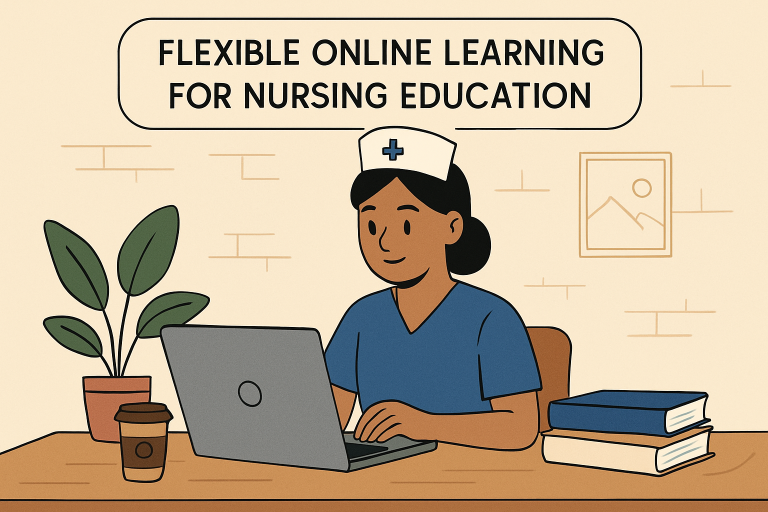
Choosing to become a nurse is more than a career decision—it’s a commitment to making a real difference in people’s lives. Nurses serve on the front lines of healthcare, advocating for patients, supporting families, and ensuring communities remain healthy and resilient. Traditionally, gaining a nursing qualification required full-time, on-campus attendance, which meant that only learners who could devote their entire schedule to school could pursue this important vocation. However, the landscape of higher education has undergone significant evolution with the rise of digital technology. Today, technology has transformed access to nursing education, revolutionizing how and where students can learn. Those seeking flexibility without sacrificing quality now have a variety of online nursing programs Missouri and nationwide to choose from, making it easier for non-traditional students and career changers to find a path to a nursing career. Modern online nursing programs are structured to provide students with all the essentials—both theoretical and practical—that they need to thrive in this critical, compassion-driven field.
Online nursing education allows learners to balance their educational journey with work, family, and personal responsibilities. Instead of following a rigid academic calendar, students can often access lectures and course materials asynchronously, allowing for learning at any time of the day or night. The digital shift also enables a personalized, accessible, and community-focused approach to education, equipping aspiring nurses with the competitive skills necessary for the ever-evolving healthcare workforce. The potential for remote collaboration and technological skill-building also positions online-educated nurses for success in increasingly digital healthcare settings.
Flexible Scheduling
Online nursing programs, like at Northwest Missouri State University, offer great flexibility. Learners access lectures, assignments, and clinical modules at their own pace, helping working adults, parents, and those with commitments manage their education. Many balance jobs and family by creating personalized schedules, ensuring education doesn’t conflict with personal or professional obligations. The asynchronous format reduces stress by eliminating the need to attend classes at specific times, making nursing education more accessible for diverse lifestyles.
Additionally, many online nursing programs at institutions like Northwest Missouri State University offer multiple start dates throughout the year, allowing students to progress at their own pace. This opens the door for individuals to begin their journey whenever they are ready and accelerate or slow down as needed, potentially completing their degrees more quickly compared to traditional programs. This responsiveness to student needs is especially valuable for those navigating unpredictable work or family schedules, enabling them to remain in the workforce and provide for loved ones while pursuing their education.
Cost-Effectiveness
Pursuing a nursing education online often translates to lower overall costs. Students typically avoid substantial expenses associated with commuting, housing, parking permits, and campus meals. For learners who already have financial responsibilities, cost savings can make the dream of a nursing career much more attainable. Many online nursing programs utilize digital textbooks and subscription-based resources, saving money on the often-expensive physical materials and reducing the environmental impact associated with paper usage.
In many cases, tuition is reduced due to the lower overhead costs associated with online infrastructure compared to maintaining physical classrooms and facilities. This reduction in direct and indirect expenses enables students to focus more of their financial resources—from scholarships, grants, or personal savings—on achieving their educational goals and advancing their careers. It can also help minimize the need for student loans, setting online graduates up for more financial stability as they enter or advance in the nursing workforce.
Access to Advanced Technology
Modern online nursing programs utilize technology to deliver a dynamic and interactive learning experience. With high-fidelity virtual simulations, realistic patient scenarios, video demonstrations, and cutting-edge digital platforms, students are given the chance to practice and refine their clinical skills in a low-risk environment before transitioning to real-world settings. These educational tools often mirror the electronic health records, diagnostic systems, and telemedicine technologies found in today’s healthcare facilities, ensuring that new nurses are prepared not only for hands-on care but also for the technological aspect of modern medicine.
This experience benefits students by making them more adaptable and proficient with the range of digital solutions now integral to clinical practice. Gaining confidence with technology in the classroom can also make students feel better equipped when using advanced equipment and electronic systems on the job, ultimately improving patient care through greater accuracy, efficiency, and confidence.
Personalized Learning Experience
Online education allows nurses-in-training to control the pace of their studies. Those who grasp concepts quickly can move forward without waiting for peers. In contrast, others have the time to revisit lessons and supplemental materials as often as necessary until they feel confident. This individualized approach enhances retention and fosters a deeper understanding of complex medical topics—essential when preparing for both certification exams and clinical practice, where accuracy and knowledge are crucial.
Aside from control over pacing, many programs provide adaptive assessments and targeted, constructive feedback. These advanced tools analyze individual learning patterns and tailor further instruction accordingly, ensuring that each student receives the support they need. By accommodating diverse learning styles, online programs can help cultivate not only academic success but also greater self-confidence and motivation throughout the nursing journey.
Enhanced Interaction and Networking
Despite its virtual setting, online learning can foster strong professional relationships and offer many opportunities for interaction. Many nursing courses incorporate lively discussion forums, small peer groups, interactive classes, and collaborative group projects that connect learners from across the country—even around the world. These digital communities create a space where students can share insights, collaborate on care plans, and learn from one another’s unique backgrounds and experiences.
These collaborations establish a valuable support network that extends beyond graduation and can serve as a powerful resource for new nurses entering the workforce. Professional connections forged online can lead to mentorship opportunities, job leads, continued learning partnerships, and ongoing support—demonstrating the strength of community in virtual learning environments.
Accessibility for Rural and Underserved Areas
Online nursing degrees are especially beneficial for individuals in rural or medically underserved areas, where access to accredited nursing programs may be limited or unavailable. Rather than traveling long distances or relocating to attend college or university, students can learn from the comfort and safety of their own homes. This not only makes higher education more feasible but also increases enrollment among students who would otherwise be unable to participate in traditional programs.
Importantly, graduates are more likely to remain in their communities after completing their credentials, helping to address critical nursing shortages and providing much-needed healthcare services in regions that are desperate for providers. In this way, online nursing programs strengthen healthcare outcomes by empowering local talent to stay and serve where they are most needed.
Opportunities for Specialization
Online nursing programs offer a breadth of specialized tracks that may not be available in local colleges or universities. Students may pursue areas such as geriatric care, pediatric nursing, mental health, cardiac care, rural healthcare, or other specialty fields that align with their interests and the communities they wish to serve. Accessing this range of options enables aspiring nurses to tailor their education to high-demand roles and emerging specialties within the healthcare system.
Specialization not only strengthens job prospects and earning potential but also allows students to focus on the populations and fields where their passion and skills can make the greatest impact—ultimately providing more targeted, effective care for patients across the country.
Lifelong Learning and Continuing Education
Continuing education is a hallmark of the nursing field. With new research, protocols, and healthcare regulations constantly emerging, today’s nurses must keep pace by pursuing lifelong learning. Online programs make it easy for working nurses to earn continuing education units (CEUs) or new certifications, keeping up with licensure requirements and staying current with rapidly advancing medical knowledge without interrupting their careers. For more information, visit the American Association of Colleges of Nursing.
Whether advancing to a new degree, maintaining credentials, or responding to new health emergencies, nurses can conveniently build expertise while balancing employment, family, and other personal responsibilities. This ensures not only regulatory compliance but also enhances patient outcomes and personal satisfaction across a lifelong career.
Conclusion
Online nursing programs combine flexibility, cost savings, advanced technology, and accessible learning—without sacrificing educational quality. For those ready to embark on a fulfilling healthcare career, these programs offer a robust foundation for both clinical and professional growth. Aspiring nurses, especially those in remote or underserved areas, can achieve their ambitions and make a lasting impact on healthcare delivery by enrolling in an online program that fits their life, learning style, and community.









 Business Programs

Leave a Reply
Want to join the discussion?Feel free to contribute!