 A VETERAN OWNED SMALL BUSINESS |
Quality Control: The Overlooked Engine Behind Manufacturing Growth

In manufacturing, quality control is often viewed as a technical function confined to the factory floor. In reality, it plays a direct and powerful role in driving sales and protecting revenue. While engineers concentrate on inspections and process consistency, and sales teams focus on winning contracts, both efforts are tied to one common outcome. The reliability of the product determines whether customers return or look elsewhere.
For startups, converters, fabricators, and growing manufacturers, understanding this connection is critical. Quality control is not just a compliance requirement. It is a strategic contributor to business performance and long term success.
Understanding What Quality Control Really Means
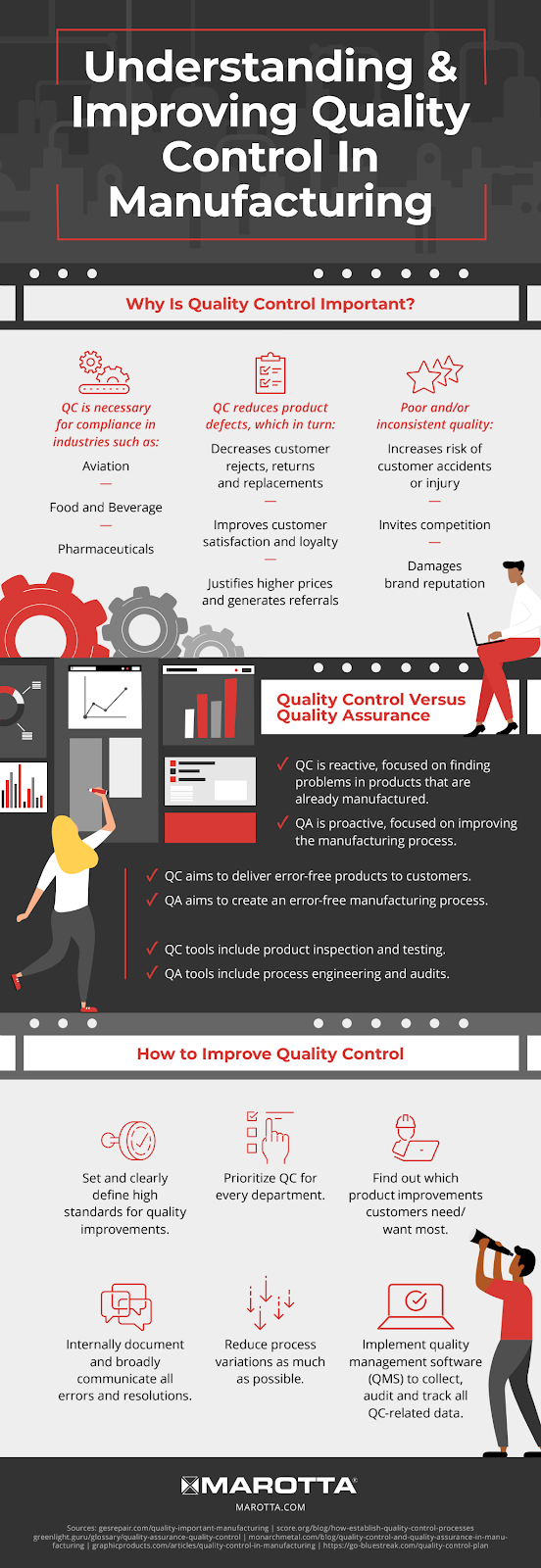
Quality control and quality assurance are sometimes used interchangeably, but they serve distinct purposes. Quality assurance focuses on building strong systems and processes. Quality control centers on verifying that finished products meet defined standards before they reach customers. Its core mission is simple: prevent defects from leaving the facility.
Every inspection, measurement, and test supports that objective. When teams fully understand this role, it becomes clear how closely quality control and revenue are connected. Consistency builds trust. Trust drives repeat business.
The Business Impact of Product Defects
Defects introduce more than inconvenience. When customers receive flawed products, even minor issues can result in returns, rework, and additional administrative costs. These setbacks consume time and resources while damaging client relationships.
The risks grow significantly when problems go undetected. Faulty products in use can cause operational disruptions, financial losses, or even safety concerns. Legal exposure and reputational damage can follow, threatening market position and long term viability.
Quality as a Competitive Differentiator
On the other hand, manufacturers known for dependable performance gain a meaningful edge. High quality output strengthens brand reputation, encourages referrals, supports premium pricing, and increases customer loyalty. Sales teams benefit when prospects associate the company with reliability and excellence.
Quality control should therefore be viewed as a growth strategy, not just an operational safeguard. It protects margins, reduces risk, and reinforces the company’s value proposition in competitive markets.
In manufacturing, quality is not separate from sales performance. It is one of its strongest foundations.
To learn more about quality control and how to improve it in your organization, please continue reading the graphic below from Marotta Controls, an AC DC power converter manufacturer.








 Business Programs

Leave a Reply
Want to join the discussion?Feel free to contribute!